"Jeremy was fantastic. Extremely professional, knowledgeable. He installed our Schlage keyless door locks, hung our tv's and also hooks for coats in laundry room. He came prepared with all tools and everything he did was top notch perfect. We will ask Jeremy again for his services. I would recommend him to anyone as he has a wide range of experience for any home tasks or needs. Thanks again Jeremy!!!!! You were great."
"Miguel and his team showed up on time, worked hard and did an excellent job. The price was excellent. We would use Painter's Plus again and highly recommend them!"
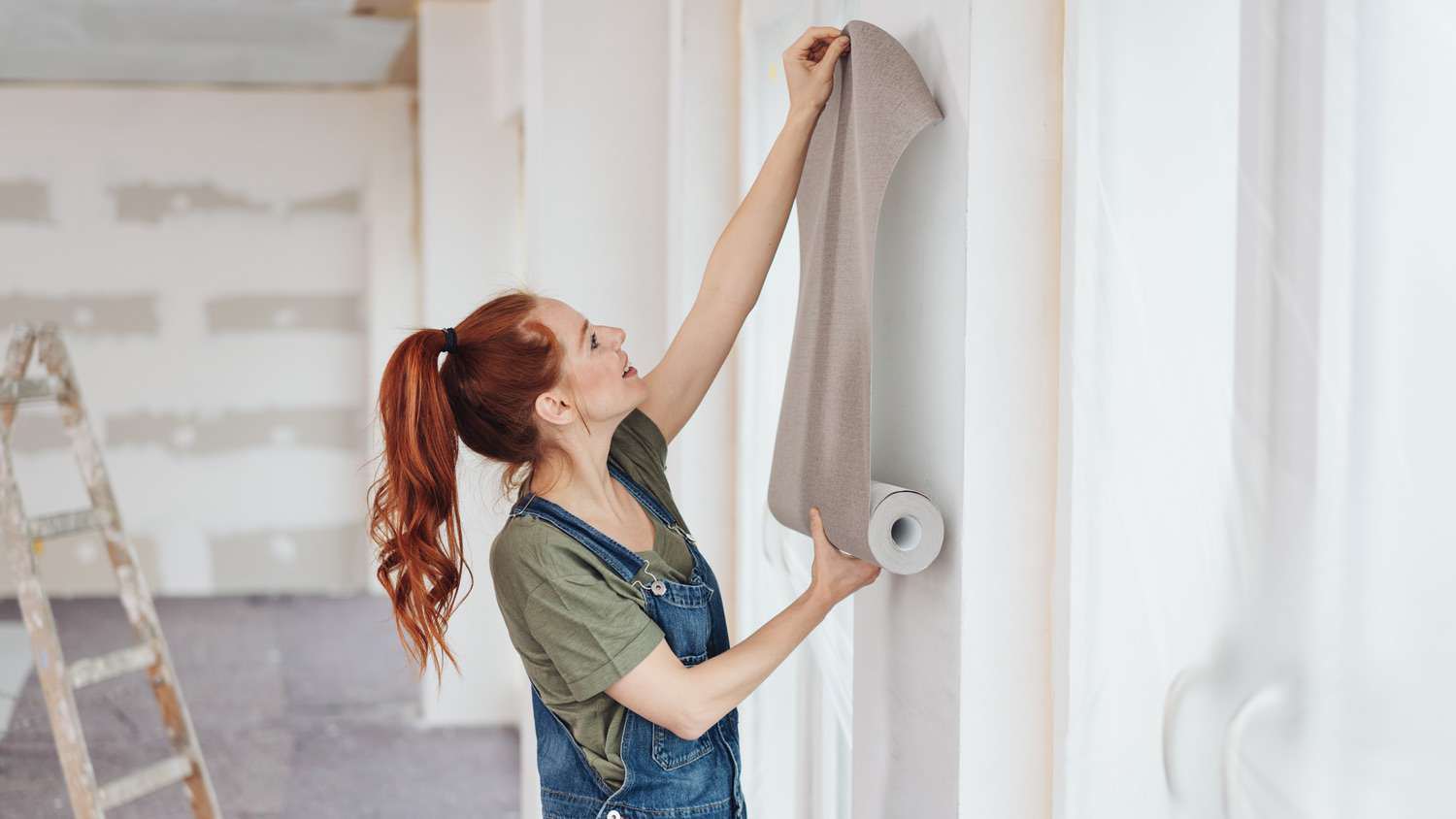
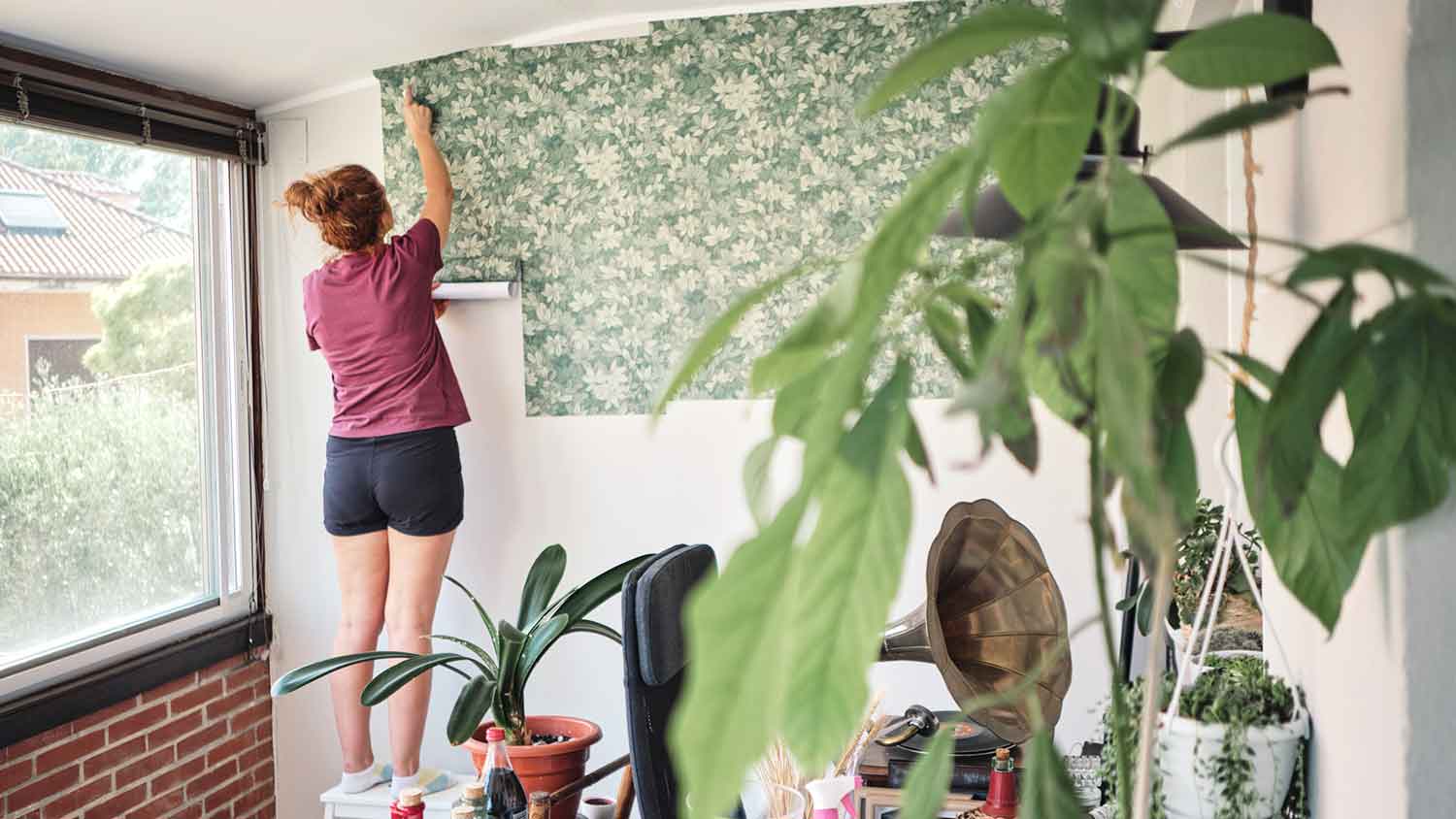
In most cases, it is not recommended to wallpaper over existing wallpaper, as the success depends on the type of paper already on the wall. While you might be able to cover non-coated wallpaper, you should never apply new wallpaper over a vinyl-coated one, which is more common. Doing so can lead to poor adhesion, resulting in bubbles, imperfections, and peeling. It can also trap moisture, potentially causing hazardous mold growth between the layers.
Even if the existing wallpaper is suitable, experts recommend applying only one new layer. Adding multiple layers (more than two total) can cause significant adhesion problems, leading to warping and bubbling. For the best results, the recommended approach is to remove the old wallpaper and all paste residue before hanging the new paper. If you are unsure about your wallpaper type, consider consulting a professional.
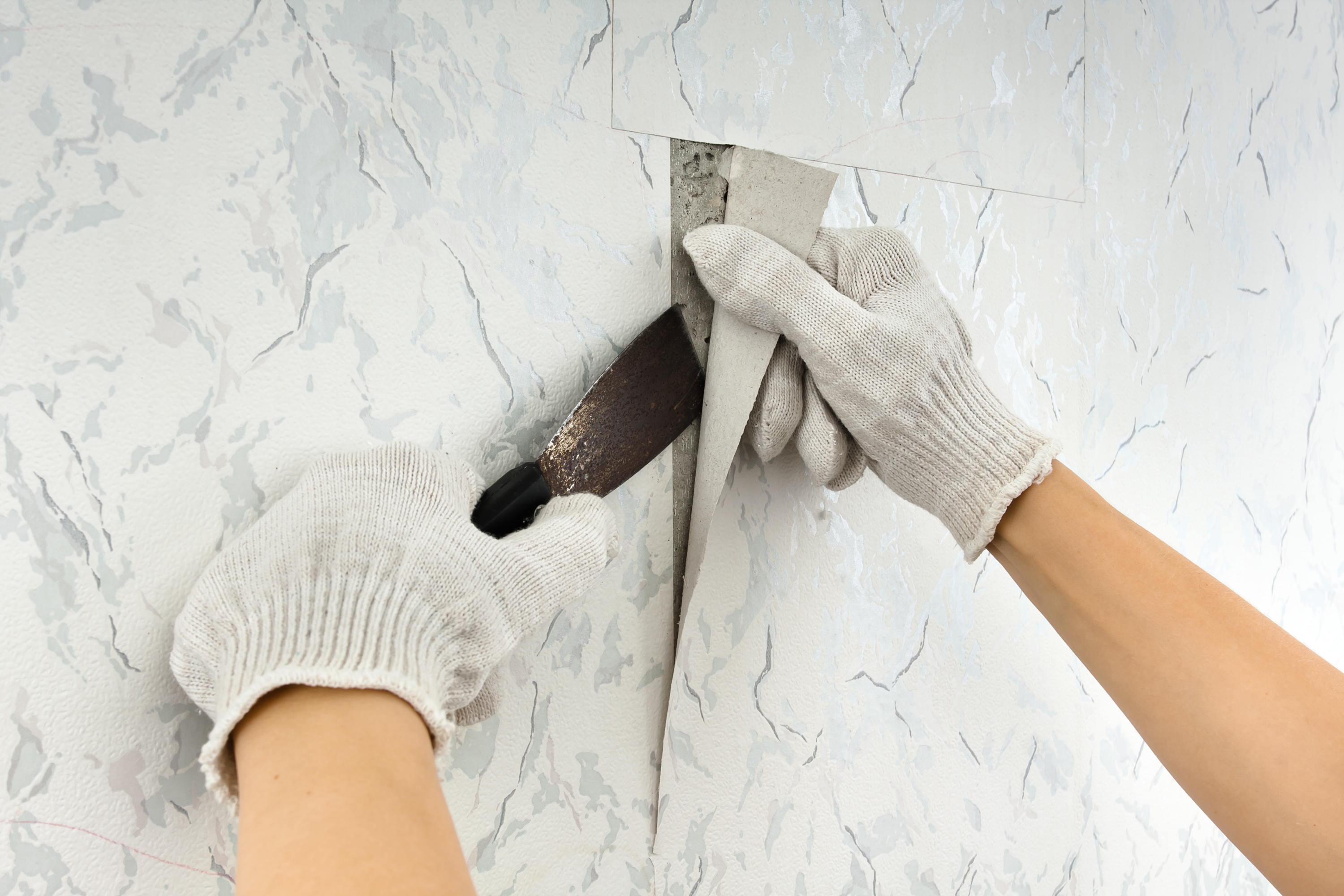
Removing wallpaper can be easy if you have a non-coated wallpaper, but most homeowners have vinyl-coated wallpaper, which is more durable but tears very easily during the removal process. This feature makes it challenging and time-consuming to remove most wallpaper. There are tools to speed up the process, like steamers, but, unfortunately, it’s easy to permanently damage your walls when using them. In most cases, it’s best to hire a professional wallpaper remover to get the job done quickly and without damaging your home.
Removing a wallpaper border requires the same process to remove full walls of wallpaper. Clear the area, spray down the surface with your hot water and vinegar solution or store-bought spray, wait 10 to 15 minutes, then scrape it off with a putty knife. Sometimes, border wallpaper lifts easier than larger sheets, so you can just peel it right off the wall by hand.
If you’re installing new wallpaper and have leftover glue, you can remove unused wallpaper paste from the bucket or pan it’s in by letting it dry. If it’s an oil-based paste, seal it in a plastic bag and throw it in the garbage. Otherwise, toss the leftover wallpaper paste in the trash. Although it’s water-soluble, don’t rinse unused wallpaper paste down the sink because it could dry in the pipes and cause a blockage.
Small amounts of wallpaper can be thrown away in your household trash. If you’re removing a whole home’s worth of wallpaper, you may need to contact a waste removal company, rent a dumpster, or schedule a special pick-up with your municipality’s waste removal service. Wallpaper isn’t recyclable, so no matter which method you choose to dispose of it, make sure it doesn’t get mixed in with the recycling.
The Fairfield, ID homeowners’ guide to wallpaper removal services
From average costs to expert advice, get all the answers you need to get your job done.
Discover wallpaper installation cost. Learn about material, labor, and project factors to estimate your budget and make informed choices for your home.
Planning a room update? Learn about the wallpaper removal process, costs to expect, and how to find and hire the right local pro for a paint-ready finish.
Taking down wallpaper is a tedious and time-consuming job. Here are some tips on how to hire someone to remove wallpaper for you to make your life easier.