


Top-rated lead testing and removal specialists.

Get matched with top lead testing and removal specialists in Dayton, ID

Enter your zip and get matched with up to 5 pros

Need a pro for your lead testing and removal project in Dayton, ID?

Select your specific project to find the pro for you.

Find Lead testing and removal specialists in Dayton

Lead Testing and Removal questions, answered by experts

While the EPA provides guidelines for homeowners to perform DIY lead paint removal, it is a risky process and generally not recommended due to serious health risks and strict regulatory requirements. The process requires precise safety precautions, such as wearing a respirator and protective eyeglasses, creating sealed exits, and using a HEPA vacuum for cleanup. To ensure the job is done safely, effectively, and in compliance with regulations, it is highly recommended to hire a professional lead abatement company. Certified professionals have the necessary training, experience, and specialized equipment (like chemical strippers and HEPA vacuums) to handle and dispose of hazardous materials safely.

Properties should be tested for lead every 2-3 years, especially if they are older, have undergone renovations, or show deterioration of paint or interior finishes.

While not all homes built before 1978 contain lead paint, enough do, so you’ll still want to test to be on the safe side. The federal government banned lead-based paint for homes in 1978, but your state may have banned lead before that time. Around 24% of homes built between 1960 and 1977 contained lead-based paint, while 87% of homes built before 1940 contained lead-based paint.

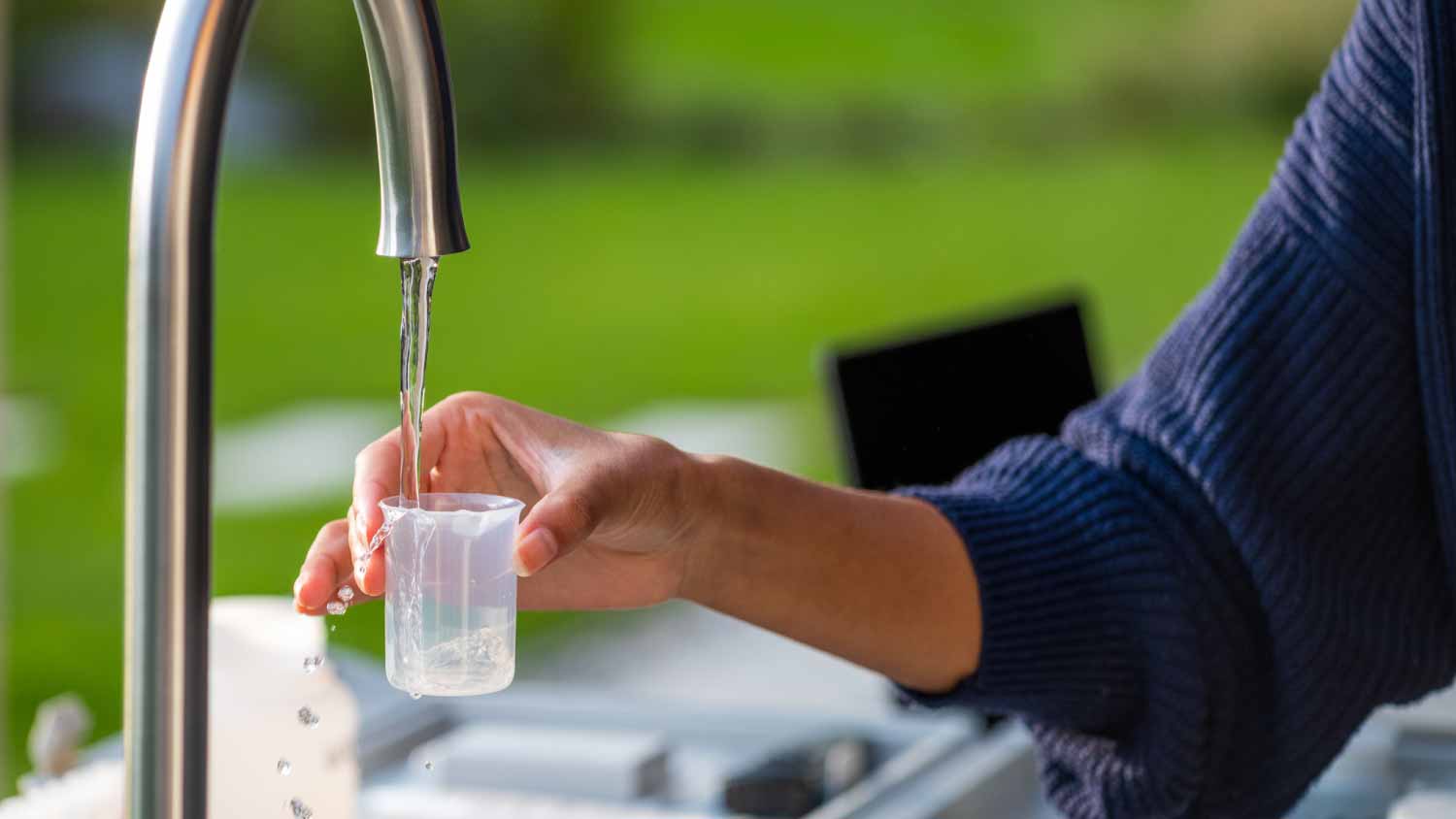
Some of the signs that could mean your water is contaminated, such as cloudiness or bubbliness, could also be non-problems that don’t affect your water’s potability. However, if your water smells or tastes strange, it’s a good idea to stop drinking it and test it immediately. If your well water is contaminated, the best way to discover that is to test it.

With regular testing, treatment, and maintenance, water from a community well should be safe to drink. Unfortunately, the EPA does not regulate private wells, and contamination can happen. 

If you have doubts about the quality and safety of your drinking water, you have options for testing. You can pick up kits from your local home supply store or harvest samples and send them to a local testing facility. To get the most complete water quality testing and system diagnosis, seek a local well professional. They know what to test for and can recommend and implement a longer-lasting solution.

The Dayton, ID homeowners’ guide to lead testing and removal services

From average costs to expert advice, get all the answers you need to get your job done.