




Top-rated generator install pros.

Get matched with top generator install pros in Dayton, ID

Enter your zip and get matched with up to 5 pros

Need a pro for your generator install project in Dayton, ID?

Select your specific project to find the pro for you.

Find Generator install pros in Dayton

Avatar for Abacore Electric
Abacore Electric
5.0(
3
)

Serving Dayton, ID and surrounding areas

In business since 2024

Free estimates

Credit card accepted

"10/10 would definitely recommend Abacore Electric. Great customer service, very professional and speedy work ethic. Very impressed with them and will definitely call for any and all electrical problems in the future!"
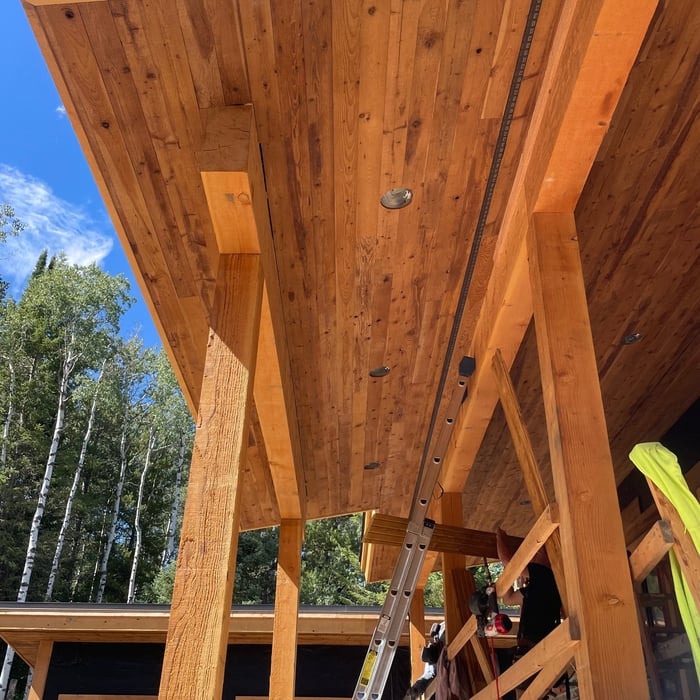
Eve lighting
High eve lighting
Placement is key to great lighting
Garage lights
Side porch lighting

+7

Recommended by100%of homeowners
Dagger Electric LLC
New to Angi

Serving Dayton, ID and surrounding areas

In business since 2025

Free estimates

Emergency services offered

Dagger Electric is a new company that focuses on pride in their work and offering a great installation for a great price!\nWe specialize in many different types of work and are very confident in our ability to make our customers happy!\nRemodels, New Construction, New Homes, Troubleshooting, Commercial and residential Maintenance, Access Controls, Electrical Panel Upgrades, LED lighting upgrades are just a few examples of the work we offer! If its Electrical, we can fix it!\nWe offer emergency 24-hour services and Free Estimates. We are happy to assist in any of your electrical needs!\n

Generator Install questions, answered by experts

Yes, in most municipalities, you will need a permit to install a permanent home generator, including emergency backup, partial-home, and whole-home models. Because these installations involve significant alterations to your home's electrical system and produce exhaust fumes, local governments often require a permit or inspection for safety purposes. A generator permit typically costs between $50 and $250, depending on your location. Your electrician or certified installer can usually handle the permitting process for you, but you will be responsible for the cost. It's a good practice to confirm with your installer that they will pull all necessary permits before work begins.

Here’s what you can run with different wattages and types of generators:

Portable generator:

  • 2,000 watts can handle a large appliance like a freezer or refrigerator, plus a few smaller items like phones or computer chargers. 

  • 4,000 watts will keep two large appliances operating and a few smaller devices.

  • 8,000 watts should power most essential appliances and other devices, including a sump pump, well pump, or your dishwasher.

Partial to whole-house generator:

  • 20,000 watts and above will make it seem like your home’s power is still on.

In many cases, yes. There are models called dual-fuel generators and fuel switches, but only between certain types of fuel. For example, with the right setup you can convert a generator from natural gas to propane. Some allow switching between diesel and gasoline. There are even tri-fuel generators available in some cases, which adds a large layer of security if you are worried about fuel availability in times of crisis. Always check your generator capabilities and manual instructions before trying to switch fuels. Some generators can use another fuel but may need a fuel conversion kit to prep them first.

Generators are safe to use as long as they are installed and operated correctly according to the manufacturer's recommendations. The most critical safety tips are to never use a portable or fuel-powered generator inside an enclosed space due to the risk of lethal carbon monoxide poisoning; always operate it outdoors where fumes can dissipate away from your home. Additionally, never attempt to connect a generator to your home’s electrical panel yourself—hire a professional to ensure the setup meets safety standards. Finally, avoid overloading the generator by not connecting more appliances than it is rated for, as this can damage your equipment or cause a fire.

While natural gas generators are costly, they’re a great option for standby power due to the reliability of natural gas as a fuel source. Unlike other fuels, natural gas is delivered through underground pipes, making outages extremely rare and less likely to be affected by the elements. As long as the area isn’t prone to earthquakes, they offer an unlimited supply of natural gas that doesn’t degrade over time or require storage in tanks.

The Dayton, ID homeowners’ guide to generator installs

From average costs to expert advice, get all the answers you need to get your job done.