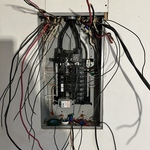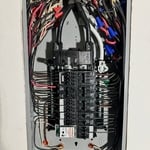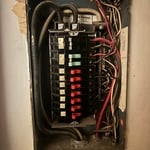



Top-rated generator install pros.

Best generator install pros near Clearwater County, ID

Enter your zip and get matched with up to 5 pros

Need a pro for your generator install project in Clearwater County, ID?

Select your specific project to find the pro for you.

Top-Rated Generator install pros in Clearwater County - Updated Nov 2026

Rock Solid Electric LLC
4.8(
24
)
Fixed Generator - InstallFixed Generator - RepairGenerator - Install - For Business+1 more

Serving Clearwater County, ID and surrounding areas

Approved

In business since 2020

Small jobs welcome

Offers commercial services

"Joe and his crew, Kevin and Jesse, did exemplary work! They were on time, clean, pleasant and respectful. The price was reasonable and fair. The entire job of rewiring my 94 year old house, replacing my electrical panel and changing out my smoke alarms was completed in five days! Am totally satisfied and will be happy to refer them to anyone!"
Response time1 day
23 neighbors recently requested a quote
Recommended by79%of homeowners

Avatar for Connect PNW LLC
Connect PNW LLC
5.0(
3
)
Fixed Generator - InstallFixed Generator - Repair

Serving Clearwater County, ID and surrounding areas

Approved

In business since 2022

Free estimates

Credit card accepted

"One panel installed, one panel upgraded, an entire apartment rewired for outlets and light, new lighting installed in old house, and GFCI’s put in to bring old house up to code. Jesse’s work was incredibly clean and thorough, a great balance of smart wiring to save money and being well set up for the future. Professional, helpful and good communication."
Panel change lewiston
Panel change
Moscow panel change
Active Wiring Company
New to Angi
Generator - Install - For Business

Serving Clearwater County, ID and surrounding areas

In business since 2004

Free estimates

Credit card accepted

Established in 1943, we continue to provided exceptional electrical contracting and service. We specialize in commercial, industrial and residential construction. Whether starting a new project or improving an existing service, call us for quality electrical service. City Electric provides comprehensive electrical services whether you are fixing a problem or starting new construction. \n \n

Response time1 day
Generator Install FAQs, answered by experts

You may need a permit for a portable generator if you’ll be installing a transfer switch for your primary residence or similar work. Otherwise, a permit for other uses may not be necessary. Check your local building codes or ask a local generator installer for more information about your local regulations.

If you’re wondering whether gas generators produce carbon monoxide, know that natural gas generators do not produce carbon monoxide if they are functioning properly, as natural gas burns cleanly. However, if the generator malfunctions and the gas does not burn completely, there is potential for carbon dioxide to be produced. To prevent malfunctions, it's crucial to perform regular maintenance, including running the generator weekly and scheduling professional inspections every 6 to 12 months. Also, be sure to test your carbon monoxide detectors regularly to ensure they function in the rare case of the generator producing carbon monoxide.

As a safety measure, you should always turn off the main breaker while operating your generator’s backup breaker. In addition, you should also switch off all appliance breakers so you don't have a power surge when the main breaker turns back on. And finally, turning off the main breaker prevents back-feeding, which endangers utility workers with the risk of electrocution. Back-feeding could also destroy the electrical circuits of your neighbors if they use the same power network.

You can determine what size generator you need for a transfer switch by matching the switch to the largest outlet on your generator. Larger generators can power up to 10 circuits, while most 5,000-watt generators can provide power to six circuits. So, if your generator’s largest outlet is 30 amps, you’ll need a 30-amp transfer switch.

No, you should never plug a generator directly into a wall outlet in your house. This practice is extremely dangerous, often illegal, and can cause "back-feeding," where power from the generator flows back into utility lines, creating a life-threatening hazard for utility workers. It can also damage your home's electrical system, including appliances like pumps and HVAC fans. If the main power is restored while the generator is connected, it can destroy the generator and cause an electrical fire. To safely connect a generator, you must use a professionally installed transfer switch or an interlocking kit, which prevents back-feeding by disconnecting your home from the utility grid before the generator provides power.

The Clearwater County, ID homeowners’ guide to generator installs

From average costs to expert advice, get all the answers you need to get your job done.