



Top-rated generator install pros.

Get matched with top generator install pros in Darby, MT

Enter your zip and get matched with up to 5 pros

Need a pro for your generator install project in Darby, MT?

Select your specific project to find the pro for you.

Find Generator install pros in Darby

Avatar for Rhino Electric
Rhino Electric
5.0(
3
)

Serving Darby, MT and surrounding areas

In business since 2015

Free estimates

Small jobs welcome

"Excellent experience. Did the work as promised, when promised. 100% professional. Took care of all the necessary details including permits and inspections."
Response time1 day
Recommended by100%of homeowners

Avatar for DLD Electric
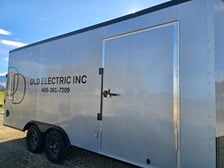
DLD Electric
New to Angi

Serving Darby, MT and surrounding areas

In business since 2024

Free estimates

Emergency services offered

DLD Electric offers over 10 years of experience in the electrical industry. We take on a wide range of electrical projects to include full installation for additions and remodels as well as generator installs, wiring and panel upgrades, and a variety of other jobs. We take pride in our quality of work and our commitment to outstanding results. Were committed to providing a personalized service for each individual project we take on. We look forward to building strong, long-term relationships with our clients and guarantee your satisfaction.

Response time12 hrs
Generator Install questions, answered by experts

Natural gas and electricity rates vary significantly based on location, and pricing can change over time, too. It’s possible that in locations where natural gas is particularly inexpensive, it will cost less than grid-based electricity will. However, you should also factor in the generator’s initial costs and maintenance needs, as well as its noise level and if it can comfortably power all your home appliances.

A 1,500 square foot home will likely need a 15kW to 20kW generator. When deciding on whole-house generator size, add up the total wattage of the devices that you’d like to continue running during a power outage. That way, you can ensure you purchase a generator that can power your necessary appliances or medical equipment during an electrical emergency.

Here’s what you can run with different wattages and types of generators:

Portable generator:

  • 2,000 watts can handle a large appliance like a freezer or refrigerator, plus a few smaller items like phones or computer chargers. 

  • 4,000 watts will keep two large appliances operating and a few smaller devices.

  • 8,000 watts should power most essential appliances and other devices, including a sump pump, well pump, or your dishwasher.

Partial to whole-house generator:

  • 20,000 watts and above will make it seem like your home’s power is still on.

The amount of time a standby generator can run continuously is around 3,000 hours on average. However, standby generators can generally run indefinitely as long as they have a continuous fuel supply. Generators hooked up to a home’s natural gas supply are the best option for extended usage, as these won’t rely on a finite fuel supply based on how much you have in storage. Generators running on liquid propane or diesel won’t last as long, as these require fuel storage and regular refueling to stay running.

To determine the right size generator for your house, you should calculate the total wattage of the appliances and devices you want to power during an outage. List all essential items, note their start-up wattages, and add them together.

Here are some typical wattage requirements for common appliances:

  • Refrigerator: 600 watts

  • Large dehumidifier: 700 watts

  • Large window air conditioner: 1,400 watts

  • Water heater: 3,000 to 4,500 watts

  • Electric furnace: 5,000 to 25,000 watts

A 7,500-watt generator might be sufficient for essentials like a refrigerator, freezer, well pump, and lighting circuits. However, for high-demand items like a water heater or furnace, a whole-home generator is a better choice. A portable generator may be enough if you only need to power a few critical items.

While home square footage can offer a rough estimate, it is not always a reliable indicator. For reference, here are some typical generator sizes based on square footage:

  • 1,000 sq ft: 6–9 kW

  • 1,500 sq ft: 7–10 kW

  • 2,000 sq ft: 10–14 kW

  • 2,500 sq ft: 12–16 kW

  • 3,000 sq ft: 16–20 kW+

For the most accurate sizing, consult a professional who can calculate your home's peak and average power consumption and recommend the optimal generator.

The Darby, MT homeowners’ guide to generator installs

From average costs to expert advice, get all the answers you need to get your job done.