"Jeremy was fantastic. Extremely professional, knowledgeable. He installed our Schlage keyless door locks, hung our tv's and also hooks for coats in laundry room. He came prepared with all tools and everything he did was top notch perfect. We will ask Jeremy again for his services. I would recommend him to anyone as he has a wide range of experience for any home tasks or needs. Thanks again Jeremy!!!!! You were great."
I am willing to address multiple tasks and projects that you may not have the time or energy to finish.\nIf you are having trouble getting a fair estimate with a timely completion date, then give us a try.
I started Daniels Construction LLC because I believe customers deserve a contractor who communicates honestly, shows up when promised, and takes pride in doing the job right. Whether it’s a small repair, a remodel, or a larger construction project, I treat every job with the same attention to detail and commitment to quality.\nFor me, this business is about more than building and remodeling—it’s about building relationships and a reputation in the community I’ve called home and served for many years.
Hello!\nI'm Bryan and I'm a homeowner myself. In my 24 years of homeownership, I have learned a lot of skills to fix, build and repair around the house. I'm happy to help. \nI am a man of character though, and prefer not to be alone with a woman as to avoid anything that could look bad or be misunderstood. I appreciate your respect on this and hope to be able to help you with your project!
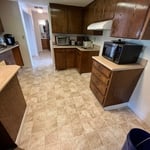
"Heritage Construction was very knowledgeable and professional. They were very fast and the cost was right. Our floor looks fantastic would have no problems recommending them to my friends and family."
"Thomas and his crew were very friendly and funny. They stripped my roof for an install quickly and efficiently. They worked fast and were clean and respectful not to let my animal out of the yard. 10/10 would recommend."
"Built a shop 50 x 66 to for storage. Aron installed all wiring to led light electric doors and outlets. He was on time, professional and I never doubted his knowledge. Electrical is scary to me but it?s a second language to him."
"Did a fantastic job finishing up a bathroom remodel. Showed up on time, communicated well as the project moved along and performed quality work. Installed flooring, repaired drywall and installed new baseboards and trim. Elliot was great to work with and we will use his services again."
If you are looking for a log home restoration company to provide professional help, quality craftsmanship, and exceptional log home repair services. Summit Wood Systems is locally owned; owner operated and has been specializing in Log Home Restoration for over 25 years. We take the work and worry out of owning your dream Log Home or wood surface home. Our job here is to simplify your life and let you enjoy your home and its beauty without the hassle and worries.\nSchedule your checkup today, before you have major damage on your Log Home or wood surface home to repair. Let us take your care into our hands by handling your maintenance on your log home. Give Summit Wood Systems a call today for all your home improvement needs from a small repair to a complete renovation!\n
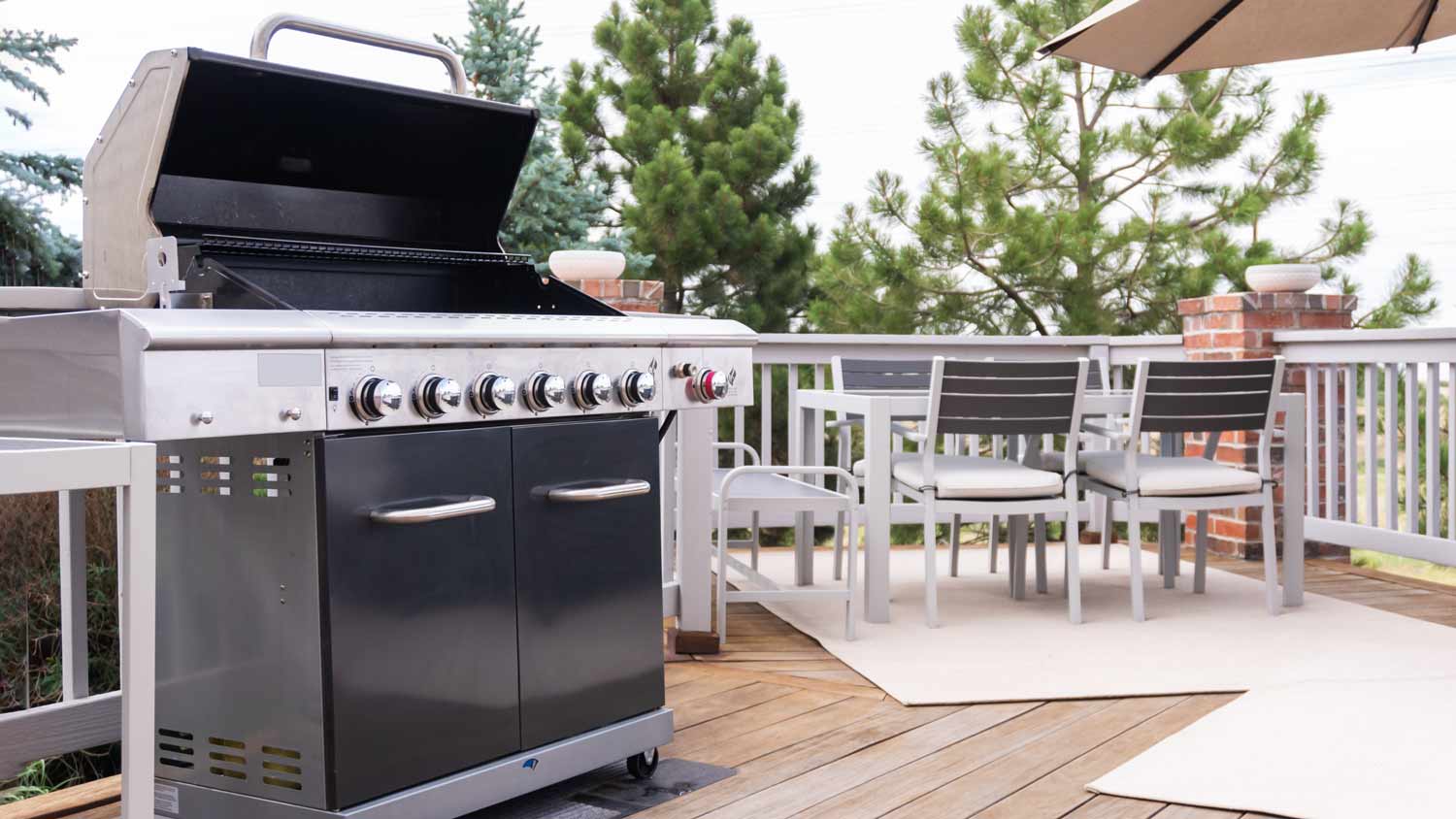
The most significant benefit of having a gas grill over a propane grill is that you never run out of fuel unless there’s an outage in your area, which is rare. Unlike with a propane grill, you’ll never need to haul tanks back and forth to a local fill station, and you’ll never find yourself unable to use your grill because you forgot to refill your tanks. Gas grills also burn slightly cleaner than propane grills, and natural gas costs significantly less than propane, meaning it’s more affordable to run your grill.
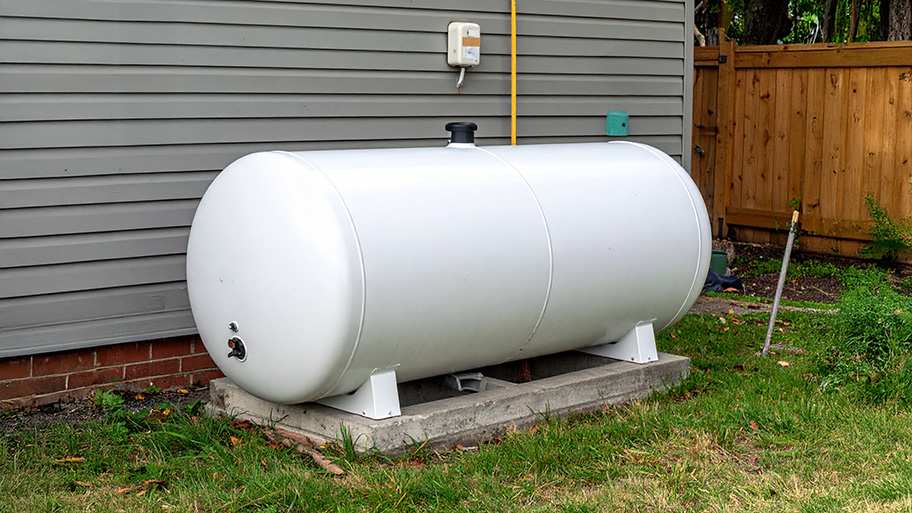
Propane sales companies typically offer propane delivery, tank installation and maintenance, grilling refills, and emergency support for supply interruptions.
Built-in gas grills typically have a life span of 10 to 15 years. However, their longevity can vary based on quality, usage frequency, climate conditions, and maintenance routines. High-quality models made from durable materials tend to last longer. Additionally, regular cleaning, covering the grill when not in use, and conducting routine maintenance tasks such as cleaning burners and replacing worn-out parts can extend its life. A well-maintained built-in gas grill can provide excellent performance and memorable cooking experiences for a decade or more, making it a worthwhile investment for outdoor cooking enthusiasts.
All U.S. states require permits for gas grill installation, so you’ll have to get one before you move forward with your project. Permits help ensure that the gas line runs safely to avoid gas leaks and explosions. Gas line permits can usually also only be pulled by certified plumbers, which means you’ll have to hire a professional from the start. The permit for a gas line installation for a gas grill usually costs between $100 and $300. You can contact your installation company or building department for more accurate pricing.
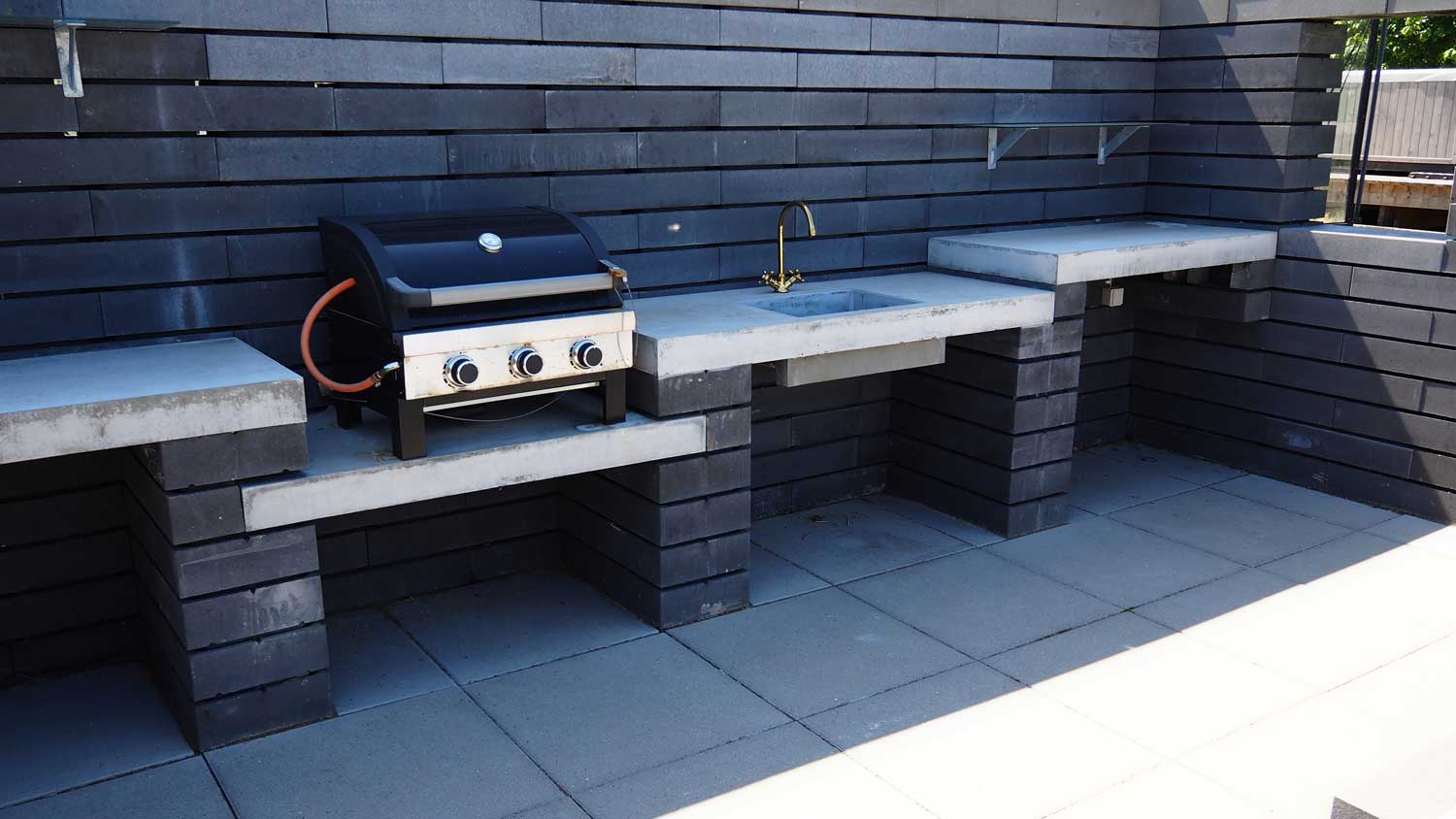
Gas grill installation costs around $540 on average, not including the price of the actual grill, and most homeowners pay between $120 and $1,400. This total will go toward laying down a new gas line, connecting it to your existing gas system, pressure testing the line, and connecting it to your grill. Your total project price will depend on the length of the gas line, whether or not the line needs to be installed underground, and the cost of the permits in your area.
The Bruneau, ID homeowners’ guide to grill assembly services
From average costs to expert advice, get all the answers you need to get your job done.
Planning a new outdoor cooking space? Learn everything you need to know about gas grill installation costs, setup options, and how to hire a local pro.
Don’t leave your grill behind when moving house. Learn how to move a grill safely so you can enjoy a home-cooked meal on your first night in your new place.