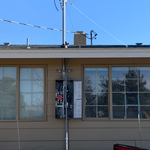
"The electrician arrived and I took him to where it was wanted. He looked around and seen a box on the pole next to the house. He opened the box and there was an outlet already there. I thought it was an empty box. He saved me money by taking the time to look before doing anything."
"Needed new lights for a shop and a welder plug in installed . Patrick got it done in timely manner . And got my shop bright again . I Am going too use Vasco Electric for my future upgrades /repairs . Awesome Guys and very fair pricing. Thanks Guys for good work ."
"John happened to be in town when I placed my request. He was at my house in less than 10 minutes and in under an hour had my electrical outlets fixed. John is super personable and knew exactly what the issue was. I am so excited to put out my deck lights now! I will be contacting you for any future needs!"
"I was so incredibly please with Aspen Electric! They put me on the schedule right way. They were right on time for the appointment. Everything was explained to me in a way that I could understand. The problem was fixed and at a very reasonable price! I put the business card right on my fridge to call next time I have a problem."
Portable generators provide backup power for essential appliances during outages and are easy to relocate.
Whole-house generators can run continuously for extended periods, even for weeks at a time (around 400 to 500 hours), as long as they have a sufficient fuel supply. However, this type of extensive use will increase wear and tear and can shorten the generator's overall lifespan. During long periods of operation, it's important to check and refill the engine oil as needed, potentially as frequently as daily depending on the model. If your generator uses a fuel tank, ensure it is kept full to prevent unexpected shutdowns.
Many services include assembling the unit and securing it in the window. Confirm with your provider.
If your home already has a grinder pump and you’re still noticing issues (like frequently clogged toilets and sinks), it could be time to upgrade your grinder pump. Start by checking your existing horsepower. If there are four or fewer people living in your home, using a 1/2-horsepower grinder pump should be sufficient. Larger households should consider investing in a 1-horsepower grinder pump to maximize wastewater removal efforts.
Costs range from $500 to $2,500, depending on generator type and installation complexity.
The Bruneau, ID homeowners’ guide to generator installs
From average costs to expert advice, get all the answers you need to get your job done.
Natural gas generators are whole-home standby generators that are connected to your home’s natural gas line. The average cost for a natural gas generator is $12,000.
Generators should give you peace of mind, but you’ll only get that if your installer knows what they’re doing. Learn how to hire a pro and what red flags to look for.
Thinking about a generator installation? Learn about backup power options, costs to expect, and how to hire the right local pro to keep your home running.