


Top-rated weed maintenance pros.

Get matched with top weed maintenance pros in Ashton, ID

Enter your zip and get matched with up to 5 pros

Need a pro for your weed maintenance project in Ashton, ID?

Select your specific project to find the pro for you.

Find Weed maintenance pros in Ashton

No results for Weed maintenance pro in

Try adjusting your search criteria.
Weed Services questions, answered by experts

Crabgrass is very resilient, and homemade solutions like vinegar may not be strong enough. Typically, hand-weeding is the most effective option that doesn’t involve harmful chemicals. You can use corn-meal gluten as a natural pre-emergent herbicide, but it’s not as effective as chemical weed killers.

You should add 1 to 4 inches of mulch, depending on your garden type and needs. Keep in mind that no amount of mulch can completely prevent weeds, but a heavier coverage (closer to 4 inches) can suppress weeds enough that you are only seeing them sprout every few weeks. Finer mulch prevents weeds more effectively than large mulch, so if you’re using mulched leaves or shredded bark, 1 to 2 inches will likely suffice, while 3 to 4 inches is best for larger mulch, like bark chips or straw.

They regularly monitor health, applying preventative fungicides and providing customized care to reduce disease risks.

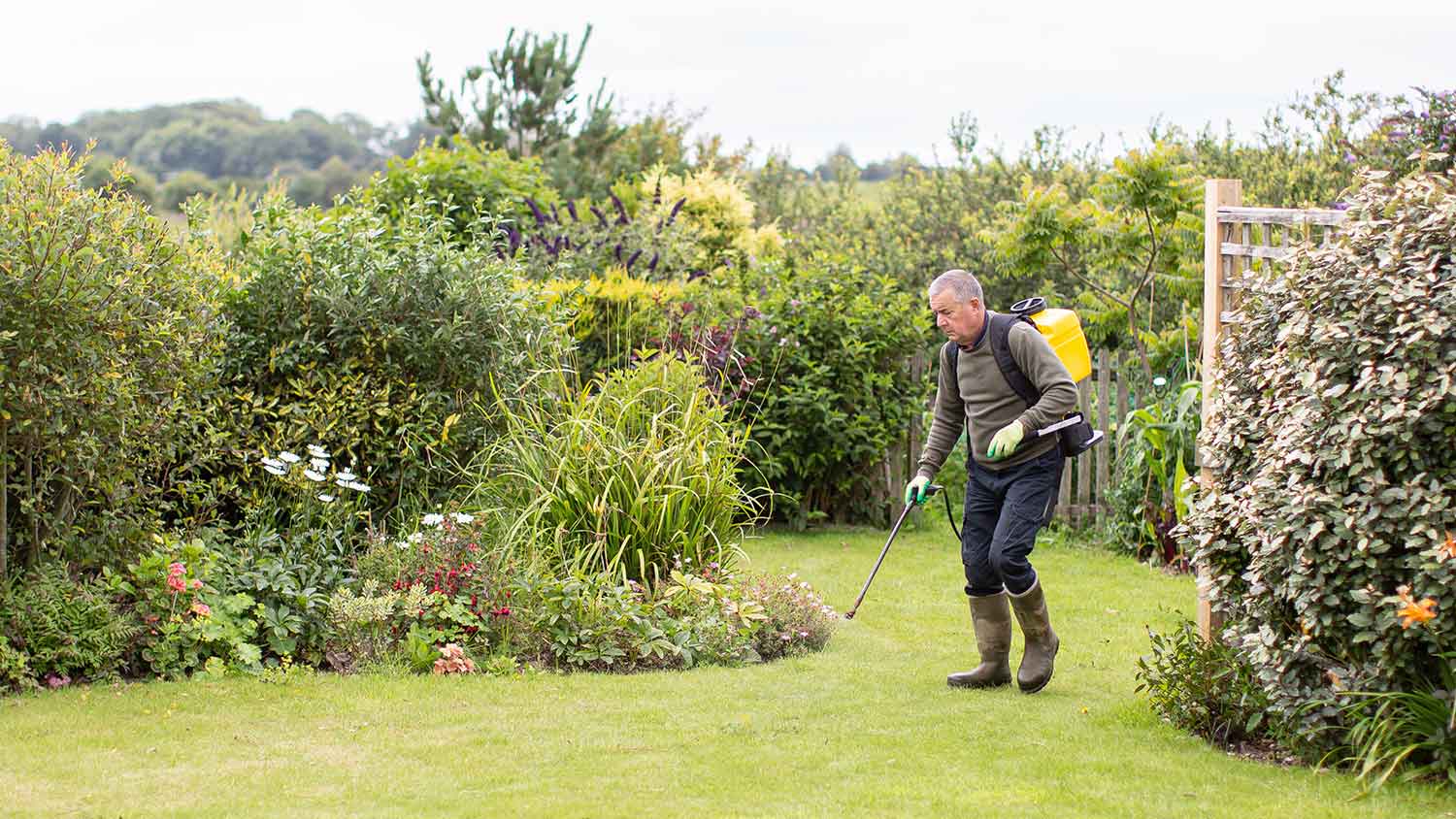
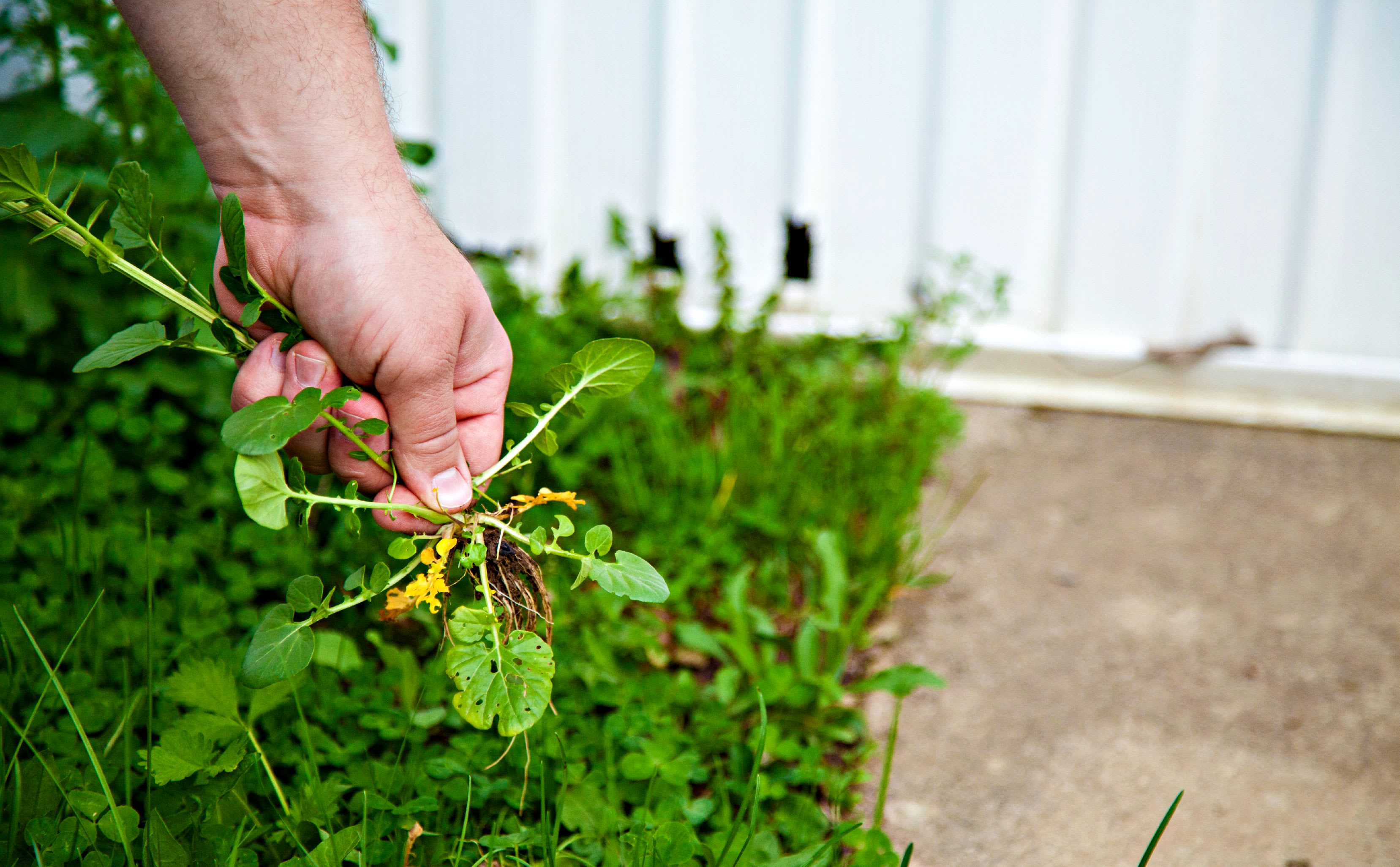
Ultimately, pulling weeds vs. spraying them depends on what’s happening in your yard and your personal preferences. Manual weed removal doesn’t introduce any chemicals into your landscape, targets specific problematic plants, produces immediate results, can be free if you go the DIY route, and is inexpensive with a weed service if you only have a handful of weeds. On the other hand, spraying is often preferable for severe weed infestations and situations involving difficult-to-pull weeds because it treats multiple weeds at once, is usually more effective long-term, is less time-consuming, and costs less when done by a pro.

Too much clover in your lawn can indicate several issues with your soil. Clover can thrive in soils with abnormally high pH, low-cut grass, and low nitrogen. Amending these issues can push clover out for good.

Hardy perennial clover loves the low nitrogen and compact conditions that often come with poor, infertile soils. But other factors also contribute to a clover explosion, including drought conditions, cool temperatures, under fertilization, and over-irrigation. You’ll need to evaluate all these elements when planning to kill off the clover.

The Ashton, ID homeowners’ guide to weed maintenance services

From average costs to expert advice, get all the answers you need to get your job done.