


Top-rated deck staining pros.

Get matched with top deck staining pros in Arco, ID

Enter your zip and get matched with up to 5 pros

Need a pro for your deck staining project in Arco, ID?

Select your specific project to find the pro for you.

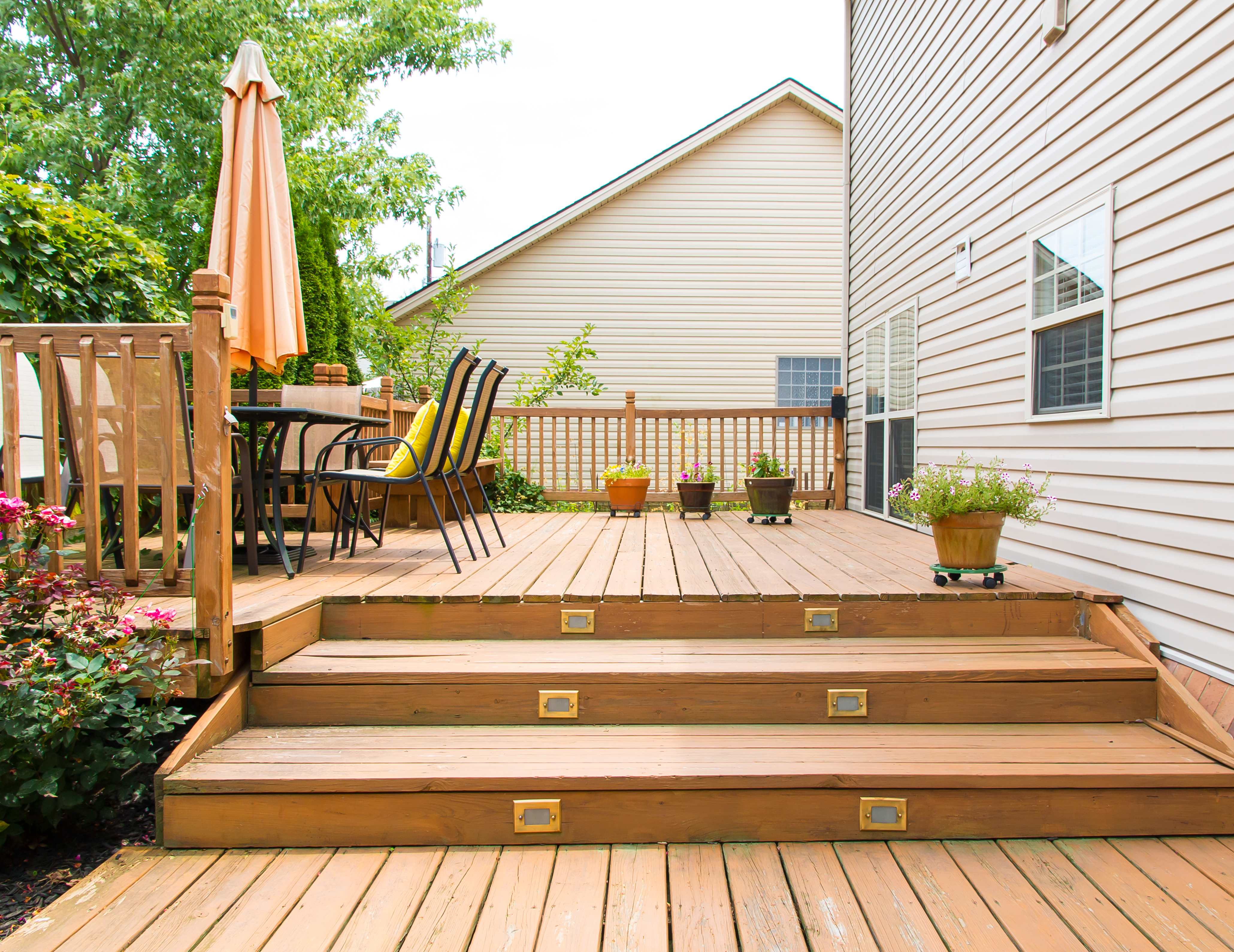
Find Deck staining pros in Arco

Avatar for Start To Finish Painting Solutions L.L.C.
Start To Finish Painting Solutions L.L.C.
New to Angi

Serving Arco, ID and surrounding areas

In business since 2019

Free estimates

Emergency services offered

At Start To Finish Painting Solutions L.L.C. we specialize in interior exterior painting, floor and deck coatings, concrete repairs, weatherproofing and roof coatings, drywall repairs, and if your looking to get rid of that interior texture on your walls and ceilings we specialize in texture conversions turning that textured wall's and ceiling's to a level 5 smooth finish walls and ceilings. We are a OSHA 30 trained operation and first aid and cpr certified identifying any saftey hazards, and trained knowledge of emergency situations. I personally have 11 years in management and feild experience in this trade with tons of reference upon requests. I recently moved from the highly competitive state of Hawaii on Oahu to Pocatello Idaho with tons of knowledge and experiences to tackle any problem with a solution from start to finish.

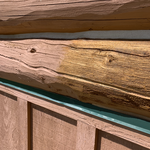
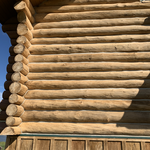
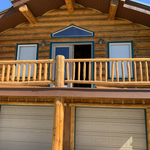
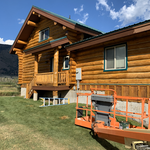
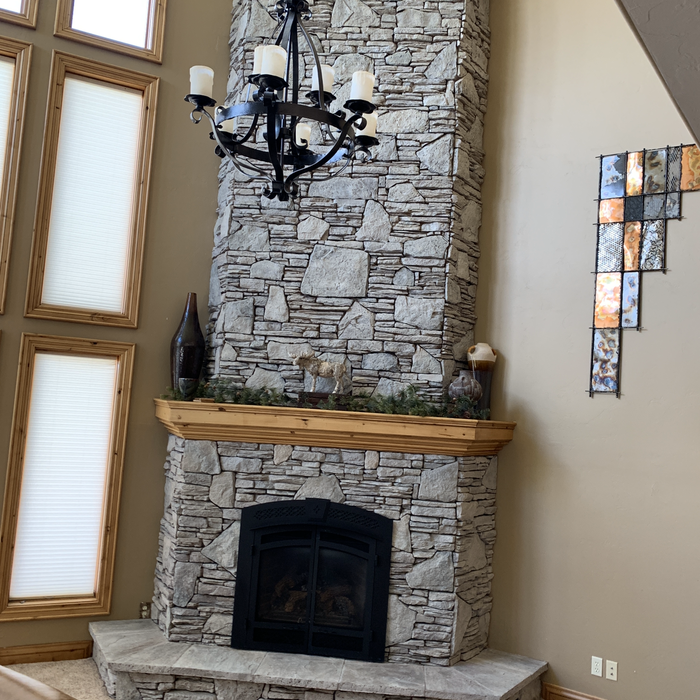
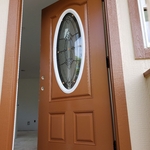
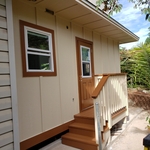
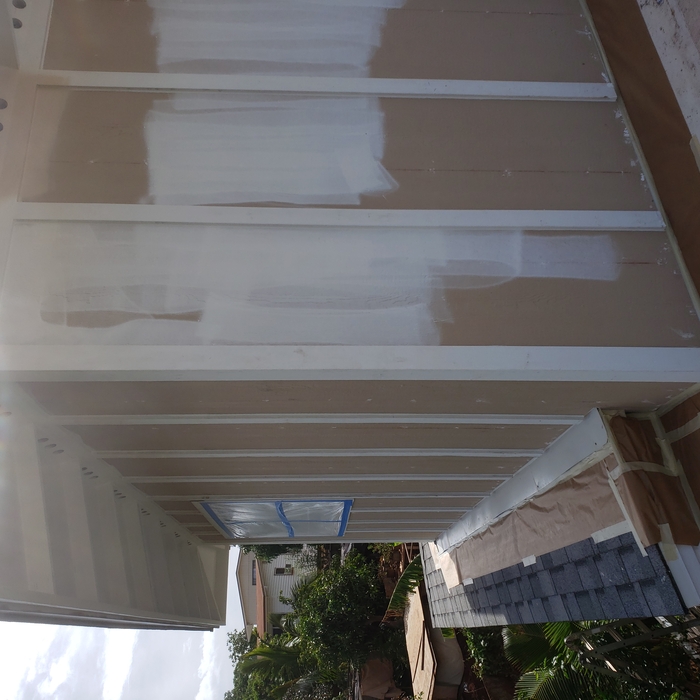
Additional Photos
Additional Photos
Additional Photos
Additional Photos
Additional Photos

+61

Showing 1-10 of 12
Deck Staining questions, answered by experts

Satin paint is generally considered a better choice for woodwork—including trim, baseboards, cabinets, and doors—than flatter finishes like eggshell or matte. Its soft sheen enhances architectural details and stands up well to frequent cleaning and daily wear. Compared to eggshell and matte finishes, satin is more durable for high-touch areas because it is less porous and doesn't absorb dirt as easily. Matte finishes, in particular, are prone to scuffs and are harder to clean, making them less practical for surfaces like doors and cabinets.

Exterior paints contain more volatile organic compounds, or VOCs, making them dangerous when used indoors. Without the free ventilation of the great outdoors, it can take longer for the fumes to dissipate than interior paint. While you may notice the smell lessening more quickly, you should be wary of paint fumes inside for 48 to 72 hours after it dries.

The number of coats you need to apply when whitewashing a surface depends on how opaque you want the final product to be. If you're going for a transparent, barely there look, a single coat or two may suffice. For fuller coverage, you'll want to use multiple coats. Another option is to use a less diluted paint to get a thicker coverage. 

Limewash and whitewash are two techniques used to give brick a light, matte finish, but they differ in composition, application, and permanence. The best choice depends on your aesthetic goals and the specific surface.

Composition

  • Limewash: A natural and environmentally friendly option made from limestone, water, and sometimes pigments. It is breathable and soaks into porous surfaces like brick.

  • Whitewash: Traditionally made from lime, water, chalk, and binders, but a similar look can be achieved with watered-down white paint. It is paint-based and sits on top of the surface.

Appearance and Finish

  • Limewash: Provides a natural, textured appearance that allows the brick's character to show through. It offers a more traditional finish.

  • Whitewash: Creates a softer, more opaque finish, often used for a rustic or shabby-chic style.

Application and Permanence

  • Limewash: Is semi-permanent and can be removed, making it a good choice if you might want to change the look in the future. It requires more skill to apply and cannot be used on previously painted brick.

  • Whitewash: Is a more permanent solution. It is more forgiving to apply and can be used on painted brick. However, because it sits on the surface, it can trap moisture.

Ultimately, if you want a breathable, natural, and reversible finish for unpainted brick, limewash is a great option. If you need a more permanent, opaque coating that can be applied over painted surfaces, whitewash is the better choice. Whitewashing may also be more economical, costing approximately $1.40 to $4.20 per square foot.

Here's the deal with leaving used rags covered in oil-based stain lying around in a pile: Depending on the conditions, these rags can take just an hour or up to a few days to combust. The source of ignition is caused by trapped heat that can be compounded if the rags are near a heat source.

The Arco, ID homeowners’ guide to deck staining services

From average costs to expert advice, get all the answers you need to get your job done.