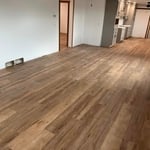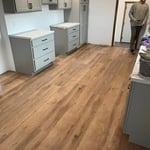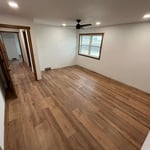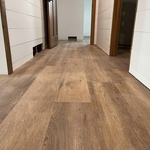


Top-rated flooring contractors.

Best flooring contractors near Ruthven, IA

Enter your zip and get matched with up to 5 pros

Need a pro for your flooring project in Ruthven, IA?

Select your specific project to find the pro for you.

Top-Rated Flooring contractors in Ruthven - Updated Nov 2026

Avatar for Durable Concrete Designs
Durable Concrete Designs
4.4(
31
)
Concrete Floor Coating-Apply

Serving Ruthven, IA and surrounding areas

Approved

In business since 2005

Free estimates

Warranties offered

"Good job; friendly, efficient crew. Moved a few things that I could not move. I now have a great looking floor with no sign of the cracks and spalls that the floor had."
Response time1 day
14 neighbors recently requested a quote
Recommended by96%of homeowners

Avatar for Brimm Bros. Flooring
Brimm Bros. Flooring
5.0(
8
)
Carpet - InstallLaminate Wood or Stone Flooring - InstallLaminate Wood or Stone Flooring - Repair+6 more

Serving Ruthven, IA and surrounding areas

In business since 2020

Free estimates

Small jobs welcome

"The finished product of flooring and carpet was top notch. Ty was very quick and efficient with his work while also paying attention to every little detail. Very well experienced and knowledgeable. I would highly recommend them to anyone and will gladly hire them in the future."
Living Room
Kitchen
Master Bed
Hall
Entry

+15

Response time5 hrs
Recommended by100%of homeowners

Showing 1-10 of 32
Flooring Installation FAQs, answered by experts

To clean a subfloor after removing carpet, start by removing any leftover debris, such as stuck-on underlay, nails, or staples. Next, thoroughly vacuum the subfloor to eliminate dust, dirt, and loose particles. If adhesive residue remains, you can use an adhesive remover, a scraper, or a sander to gently lift it off. Finally, clean the surface by mopping or wiping it down with a damp rag and allow it to dry completely. This preparation is essential for ensuring new flooring adheres properly and to prevent bumps or wrinkles from forming.

Some root cellars are made with concrete, but a dirt floor may be better for your crops' longevity. Dirt can help maintain an appropriate temperature and humidity level, while the concrete might suck up all the moisture. Dirt floors can also bring down the overall cost of your root cellar. But, if you’re going with a dirt floor, make sure you properly insulate between your house and the root cellar.

You may be wondering, how long does carpet last? It depends on the type. For your Berber carpet, it should last 10 to 15 years with regular cleaning and maintenance. For the longest lifespan possible, you should call in a carpet cleaner for a deep cleaning at least once a year. 

Also, you can opt for higher-quality Berber carpet and underlayment which will last longer. And if you have pets, make sure to house-train them and use extra rugs in areas you expect high foot traffic.

Whether you install flooring before or after kitchen cabinets depends primarily on the type of flooring you are using. For materials like hardwood, tile, and sheet flooring, the best practice is to install the flooring first. This ensures the cabinets are installed at the correct height and on a stable surface. However, you should not install cabinets on top of floating floors, such as laminate or luxury vinyl plank (LVP). These types of flooring need room to expand and contract with temperature and humidity changes. Placing heavy cabinets on top can restrict this movement, potentially causing the floor to buckle and making the cabinets unstable. For floating floors, install the cabinets first and then lay the flooring up to them. Other reasons to consider installing cabinets before the flooring include saving money on materials (since you won't need flooring under the cabinets) and avoiding potential damage to your new floor during cabinet installation. Additionally, installing cabinets directly on the subfloor might prevent voiding your flooring's warranty.

The lifespan of tile flooring can vary significantly based on the material and maintenance. Generally, tile flooring can last anywhere from 10 to 30 years, but high-quality, well-maintained ceramic tile can last 75 to 100 years. To achieve a longer lifespan, you should clean the tiles and grout regularly, reseal the grout annually, keep the floor dry, and avoid placing extremely heavy items on it to prevent cracking. Choosing a high-quality tile (Grade 1) will also contribute to its longevity.

The Ruthven, IA homeowners’ guide to flooring services

From average costs to expert advice, get all the answers you need to get your job done.