






Top-rated deck cleaning pros.

Get matched with top deck cleaning pros in Hudson, IA

Enter your zip and get matched with up to 5 pros

Need a pro for your deck cleaning project in Hudson, IA?

Select your specific project to find the pro for you.

TRUSTED BY HUDSON, IA HOMEOWNERS

  • Average homeowner rating star icon4.4
    Average homeowner rating
  • Verified reviews icon49
    Verified deck cleaning services reviews

Find Deck cleaning pros in Hudson

Avatar for Modern Edge Construction
Modern Edge Construction
4.1(
28
)

Serving Hudson, IA and surrounding areas

In business since 1990

Free estimates

Emergency services offered

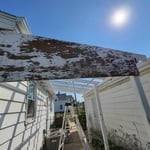
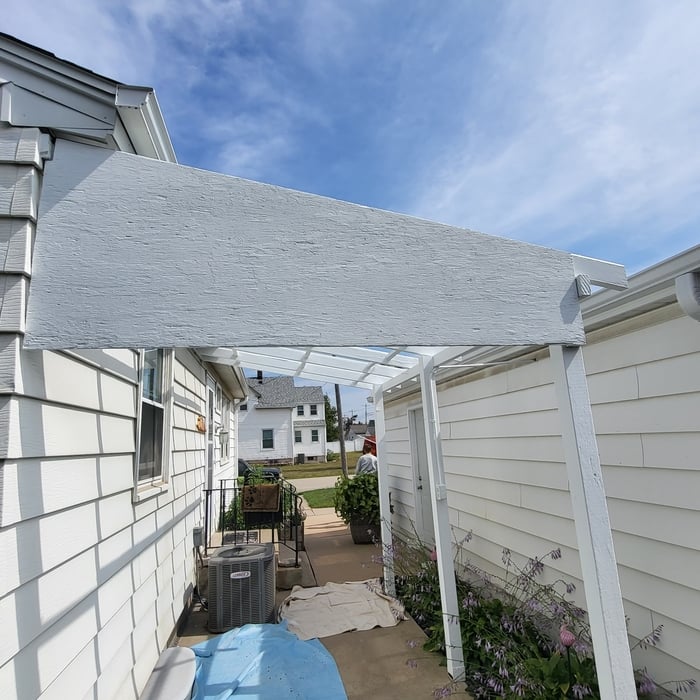
"Cade did an outstanding job installing our pergola and removing some concrete steps for us. He was very precise with his measurements, cleaned up afterwards, and completed the job in a timely manner. I highly recommend him."


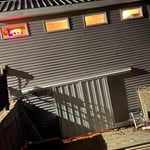
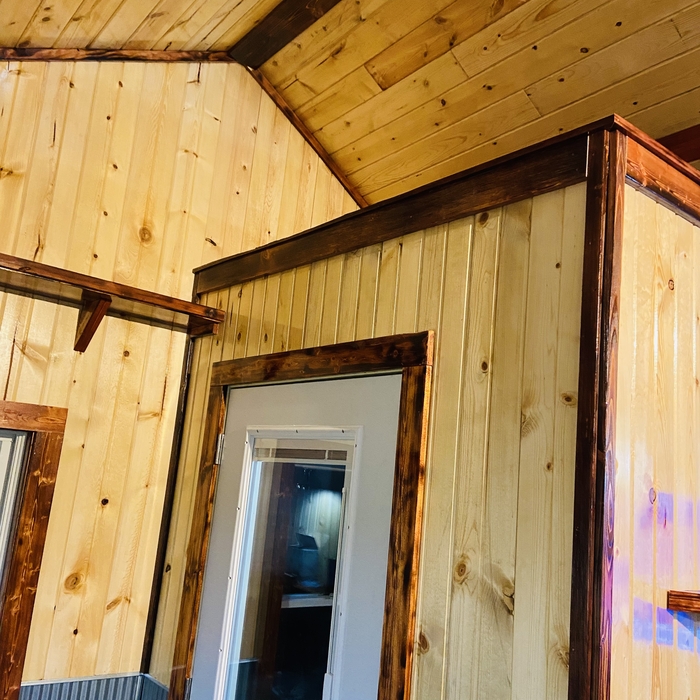
The Mancave
The Mancave
The Mancave
The Mancave
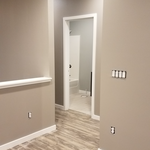
Finishes

+69

Response time2 days
Recommended by91%of homeowners
Avatar for Whitlock Handyman Services
Whitlock Handyman Services
4.3(
3
)

Serving Hudson, IA and surrounding areas

In business since 2021

Free estimates

"The job that I had posted was to literally dig out six telephone poles that were used on an old deck. It was a very intense job. And the way my yard is situated no backhoe. Everything was dug out by hand and tools. The only hangup he had was just I have in the manpower. They answered my ad came on Thursday to look at the job started Friday I needed it done by Sunday they finish Saturday night."
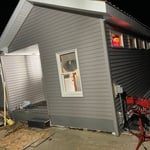
Mail Box
Mail Box Repaired
Mail Box Repaired
Mail Box Repaired
Response time3 days
Recommended by100%of homeowners
Showing 1-10 of 26
Deck Cleaning questions, answered by experts

When building an outdoor or deck gate, it's crucial to use durable wood that can withstand harsh weather conditions like sunlight, rain, wind, and snow. Redwood and cedar are excellent choices as they naturally resist decay. While redwood is considered more elegant, cedar is a more affordable option. Other suitable woods include oak and pressure-treated pine, which is specifically treated to resist rot. Although some softwoods like pine are popular, untreated softwoods such as pine and spruce should generally be avoided for outdoor projects because they are susceptible to damage from water, rot, and the sun. Ultimately, it's wise to consider your local climate when selecting the right wood for your gate.

Ideally, a gate should be able to swing both in and out. However, if it can only open in one direction, it is generally best for it to swing inward. This is often the safest option, especially for deck gates near steps, as you'll want the gate to swing away from the stairs. An inward swing also prevents the gate from opening into a public space, like a sidewalk, and can be more convenient when carrying heavy items like a wheelbarrow into a garden.

There are exceptions, however. The layout of your property may require a different approach. For example, if your property is on a slope, the gate may not be able to swing inward. You should also ensure the gate can open fully without colliding with any objects or blocking access to other areas. For a backyard garden gate where public access isn't a concern, the direction it swings is largely a matter of personal preference. Finally, always check your local building codes, as they may have specific requirements for which way a gate must swing.

Footings for ground-level decks need to be at least 12 inches deep, and some areas require them to be even deeper. A standard range for deck footings is anywhere from 12 to 48 inches. The minimum footing depth is determined by an area’s frost line and soil conditions. If you’re unsure how deep to install deck footings, check local building codes to find the minimum footing depth in your area. 

Deck boards should be spaced no more than three-eighths of an inch apart. This is enough space to allow water and small debris to pass through without collecting on the surface, but not enough to create a tripping hazard. Certain materials, like pressure-treated wood, shrink over time, so they may need less space at installation.

When sourced responsibly, the most sustainable wood decking options are timber trees like redwood, pine, Douglas fir, Nootka cypress, and Western red cedar. These tree species are fast-growing with low carbon emissions. Plus, most timber woods make durable deck materials because of their resistance to rot and decay over time. 

The Hudson, IA homeowners’ guide to deck cleaning services

From average costs to expert advice, get all the answers you need to get your job done.