


Top-rated sewer cleaners.

Best sewer cleaners near Earling, IA

Enter your zip and get matched with up to 5 pros

Need a pro for your sewer cleaning project in Earling, IA?

Select your specific project to find the pro for you.

Top-Rated Sewer cleaners in Earling - Updated Nov 2026

Sewer Cleaning FAQs, answered by experts

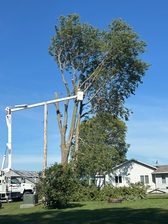
It can take anywhere from one month to a couple of years for tree roots to grow back in sewer lines. Tree roots can cause extreme havoc on your sewer lines, potentially cracking them and causing untreated wastewater to make its way into the groundwater. Have a landscaping pro remove trees and roots before installing your system, or call a pro to do it retroactively as soon as you can.

If methods like hot water or a plunger don’t work on your clogged drain, you can snake your drain to dislodge the plug. This can be a messy process, taking some physical effort and additional time over the other drain-clearing options. You can purchase a drain snake at a hardware store and choose from handheld options or those attached to a drill. Just work slowly, and be ready to call a plumber if you’re unable to reach the clog from your drain or P-trap.

The cost to unclog a drain varies based on the location and severity of the clog. For simple clogs within your home, such as in a sink, toilet, or shower, hiring a plumber typically costs between $110 and $350, with an average of around $200. Snaking a toilet or sink usually costs between $110 and $275, while a bathtub or shower clog costs about $225.

For a more serious clog in the main sewer line, the cost is higher. Clearing a main line clog generally costs between $200 and $600, with an average of about $380. However, prices can range from as low as $100 for snaking a minor clog to over $1,600, particularly if advanced methods like video inspection and hydrojetting are needed for a large or hard-to-reach blockage. Some severe main line clogs can cost upwards of $1,000 to clear depending on factors like the cause of the clog, its distance from an accessible cleanout, and whether the pipe is located beneath an occupied space (e.g., in an apartment building). You may be able to save money on minor clogs by using a drain snake or bladder yourself.

There are a few things that can happen to your sewer system if you don’t fix it. These include rainwater entering it and causing rust and corrosion, dirt and debris leading to blockages, small animals getting stuck inside and clogging your sewer line or entering your home, and shortening the sewer system’s life span. 

Without a cap, nothing prevents toxic and non-toxic gasses like methane and hydrogen sulfide from slowly escaping your sewer system and entering your home and the surrounding atmosphere, resulting in a foul sewer odor throughout your house.

No, you should not see water in a sewer cleanout. If you do, it could indicate that you have a block or leak in your main sewer line—which can cause sewage to back up inside your home and potentially flood your yard. Your best bet is to call a local sewer cleaner if you notice any water or sewage around your cleanout.

The Earling, IA homeowners’ guide to sewer cleaning services

From average costs to expert advice, get all the answers you need to get your job done.