


TN Construction
Concrete Flatwork - Repair & ResurfaceConcrete Flatwork - Repair & Resurface- For Business
Serving Cascade, IA and surrounding areas

*The Angi rating for Concrete Resurfacing companies in Cascade, IA is a rating based on verified reviews from our community of homeowners who have used these pros to meet their Concrete Resurfacing needs.
*The HomeAdvisor rating for Concrete Resurfacing companies in Cascade, IA is a rating based on verified reviews from our community of homeowners who have used these pros to meet their Concrete Resurfacing needs.
Last update on June 30, 2026
Serving Cascade, IA and surrounding areas
Serving Cascade, IA and surrounding areas
In business since 2021
Free estimates
Credit card accepted
"They did an excellent job installing our patio. They always called before coming over and responded quickly when contacted. Easy to work with. Definitely give them a call for your concrete work."
Serving Cascade, IA and surrounding areas
In business since 2021
Free estimates
Offers commercial services
"They did an excellent job installing our patio. They always called before coming over and responded quickly when contacted. Easy to work with. Definitely give them a call for your concrete work."
Serving Cascade, IA and surrounding areas
In business since 2010
Free estimates
"The workmanship was excellent. The work was completed within the time frame agreed upon as well as the price quoted. Everything was done very professionally from start to finish. I HIGHLY recommend Dave Navarro Construction for any interior remodeling. I will definitely use him again - without hesitation."
Serving Cascade, IA and surrounding areas
Free estimates
"Frank was honest and fair. Accommodated me when I requested more repairs than he quoted."
+19
Serving Cascade, IA and surrounding areas
In business since 2005
Free estimates
"The finished product is beautiful. I'll use them again next spring to do another job."


+7

Serving Cascade, IA and surrounding areas
In business since 2018
Free estimates
"Great. Came over when he said he would. Did great job. Will hire again"


+13
Serving Cascade, IA and surrounding areas
Serving Cascade, IA and surrounding areas
In business since 2008
Free estimates
Emergency services offered
Nathan Mitchell Construction & Electric, has successfully been completing projects for over eight years. I maintain my business in my workmanship and professionalism,with a devotion to excellence in quality craftsmanship and customer satisfaction. bringing in new clients on a daily basis with word of mouth. I am looking forward to working with each and everyone of you for a prosperous year. Call me today for your free quote!
From average costs to expert advice, get all the answers you need to get your job done.
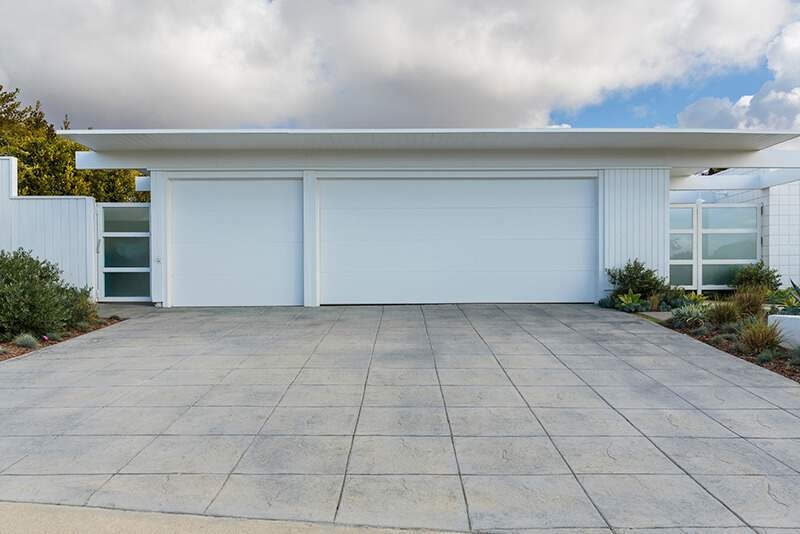
Concrete is a durable material but needs maintenance every few years. Use this concrete resurfacing cost guide to get an idea of ongoing maintenance costs.
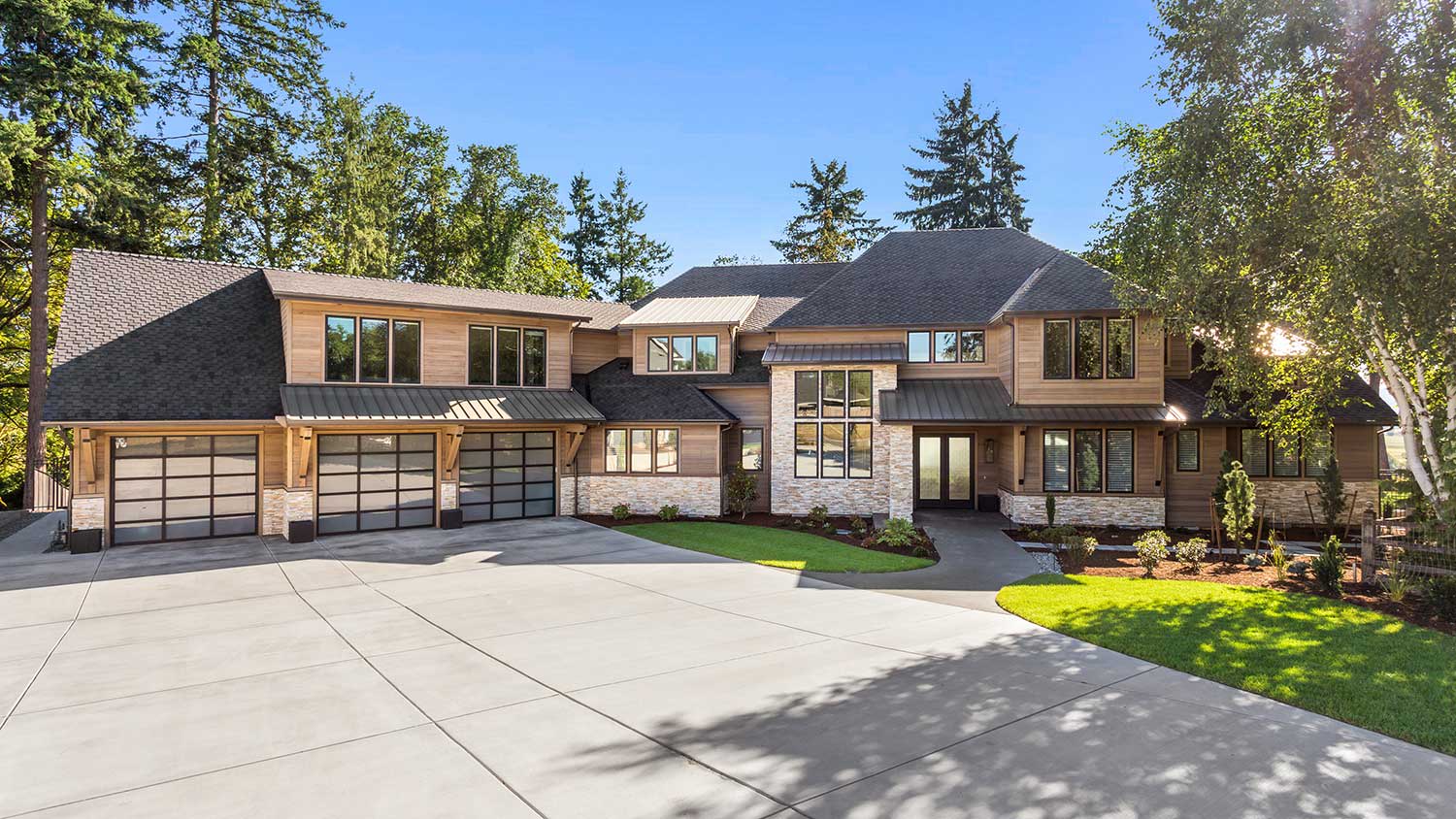
Discover the average driveway resurfacing cost, key price factors, and tips to save money on your project. Get expert insights to plan your driveway resurfacing.
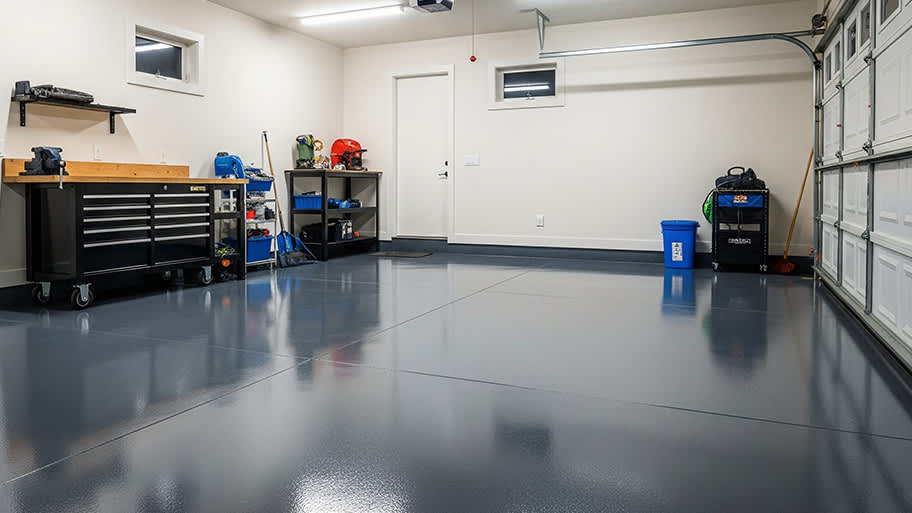
This guide breaks down the cost of installing epoxy flooring in your garage, basement, or other space. Costs depend on resin type, floor size, and more.
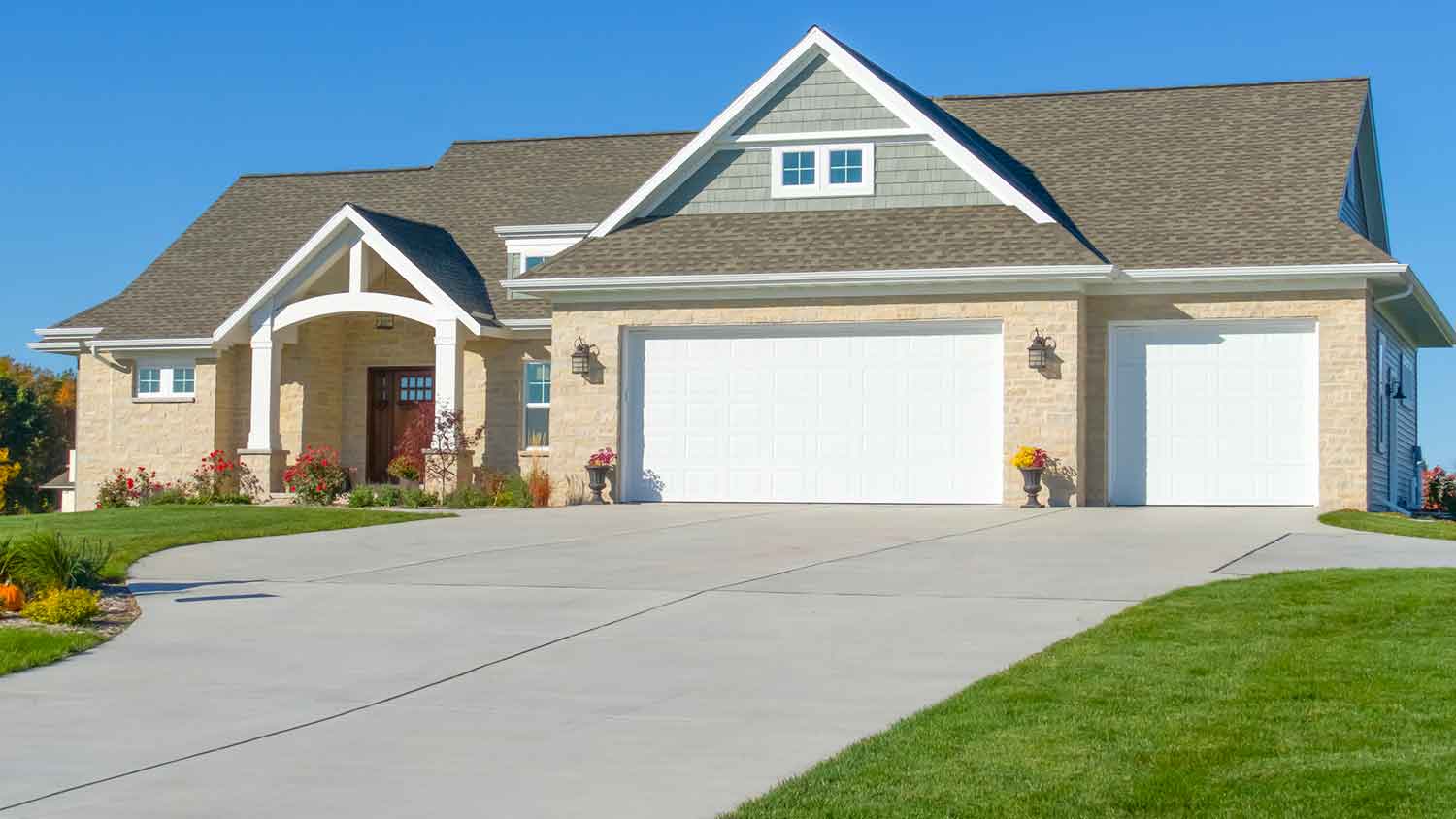
Learn how to resurface concrete to breathe new life into your outdoor space, raise your property value, and improve your home’s curb appeal on a budget.
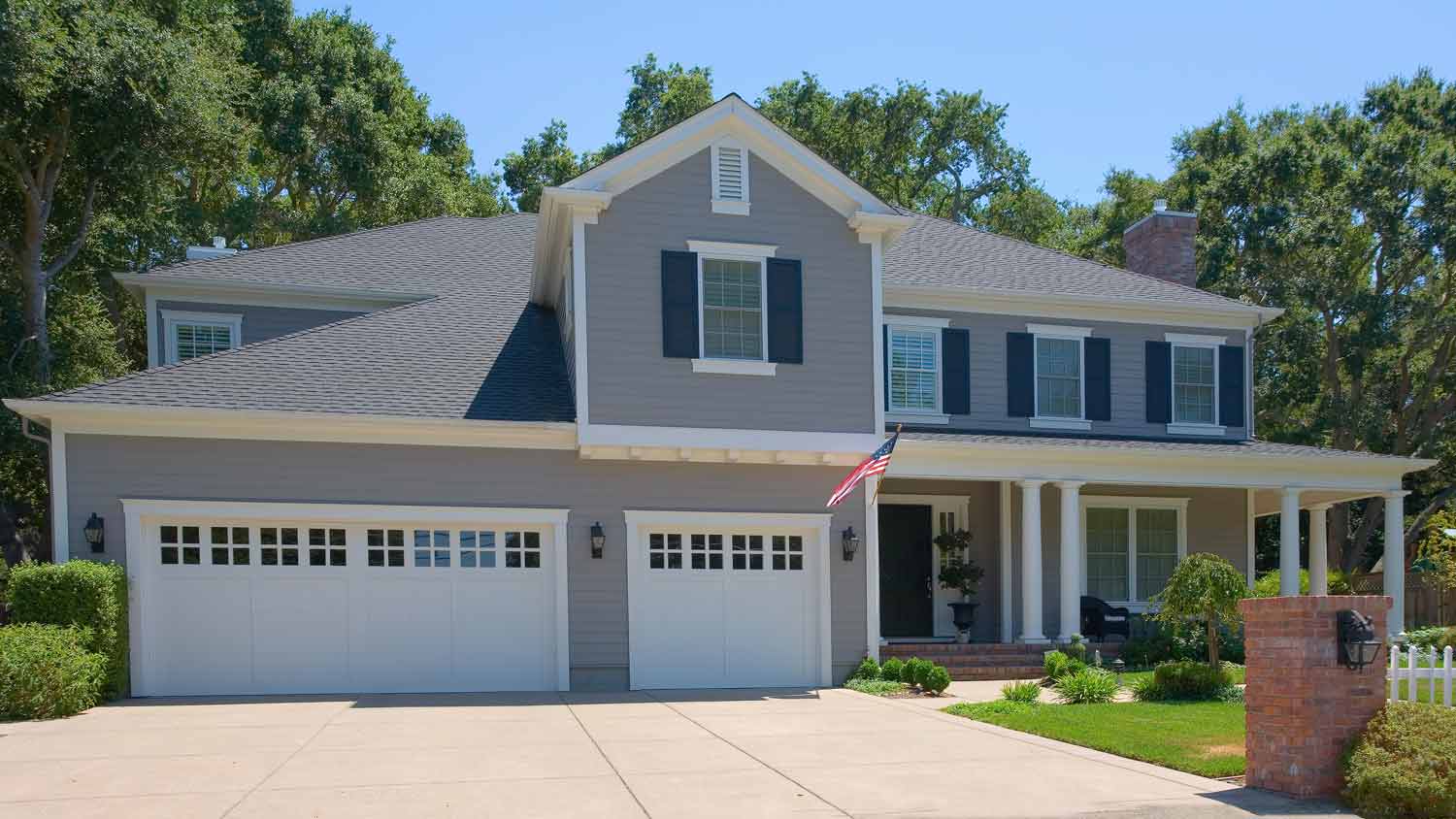
Concrete resurfacing is a much more affordable option than replacing a slab. Learn how long concrete resurfacing lasts and if it’s a better option for you.
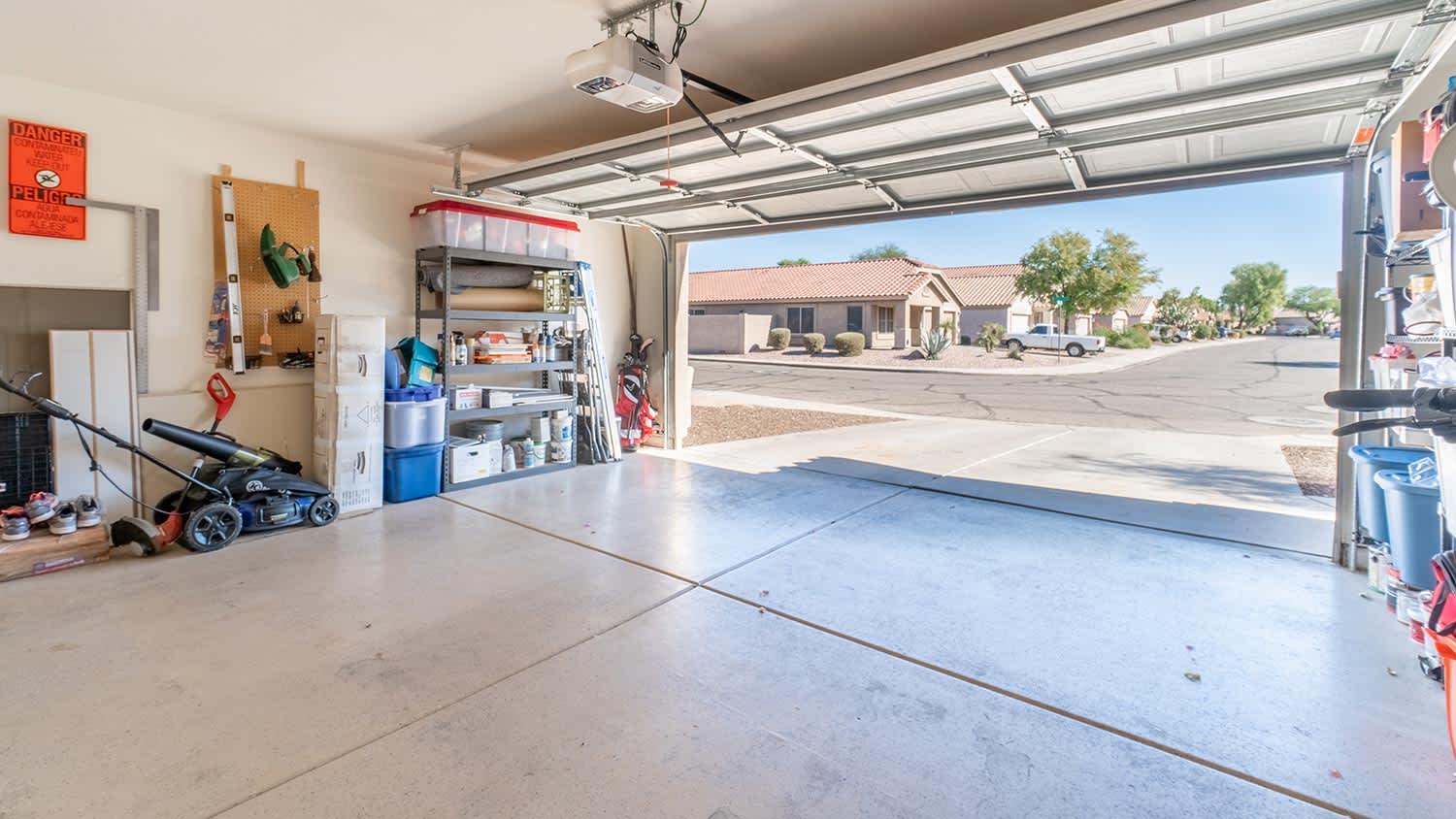
Your concrete floor should look good for years, but maybe you’ve noticed stains, imperfections, and discoloration popping up sooner. Luckily there are a few tips and tricks to bring your garage floor back to its original luster.