"Mike did an amazing job installing our vinyl flooring. He gave us a great price and answered all of our questions and concerns. His attention to detail is impeccable."
"Bruce is fantastic to work with. Heâ s a super nice guy and he does what he says heâ s going to do. Pricing is always fair and competitive. Heâ s done several jobs for me inside and out. Highly recommend for any type of handyman job needed."
We take great pride in our experience, expertise, quality, and customer service that we provide to meet the consumers' needs. It is our mission to provide excellent workmanship and complete customer satisfaction from start to completion of a project. To understand the needs and expectations of our customers, we take great care to work and communicate with every customer in a professional manner. Our reputation is based on service, safety, and quality, regardless of how large or small the job.
"They built a very nice deck for me in only 2 days and I was quite happy with the price. Really good guys, they worked through some very cold and windy weather to get it finished."
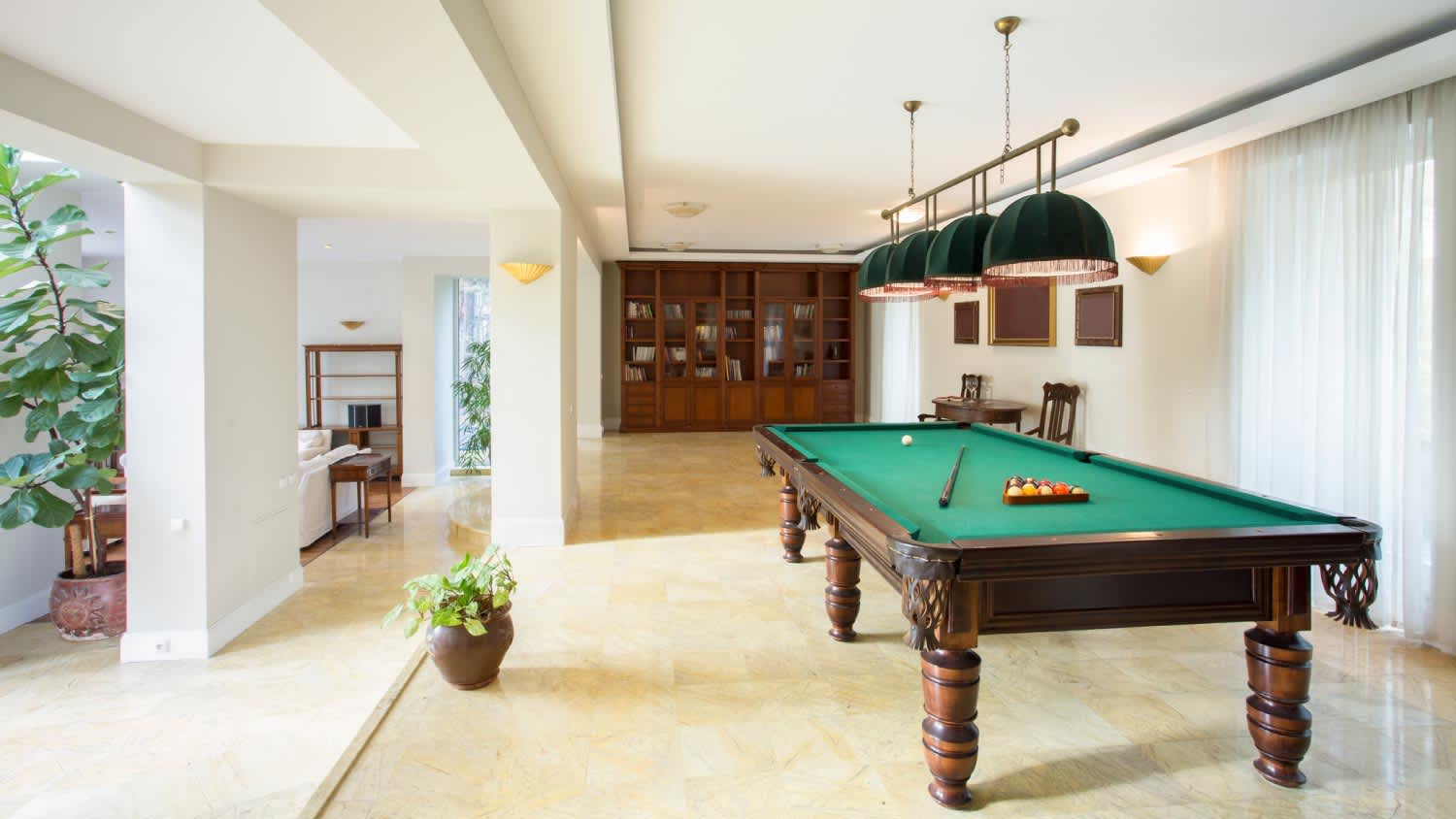
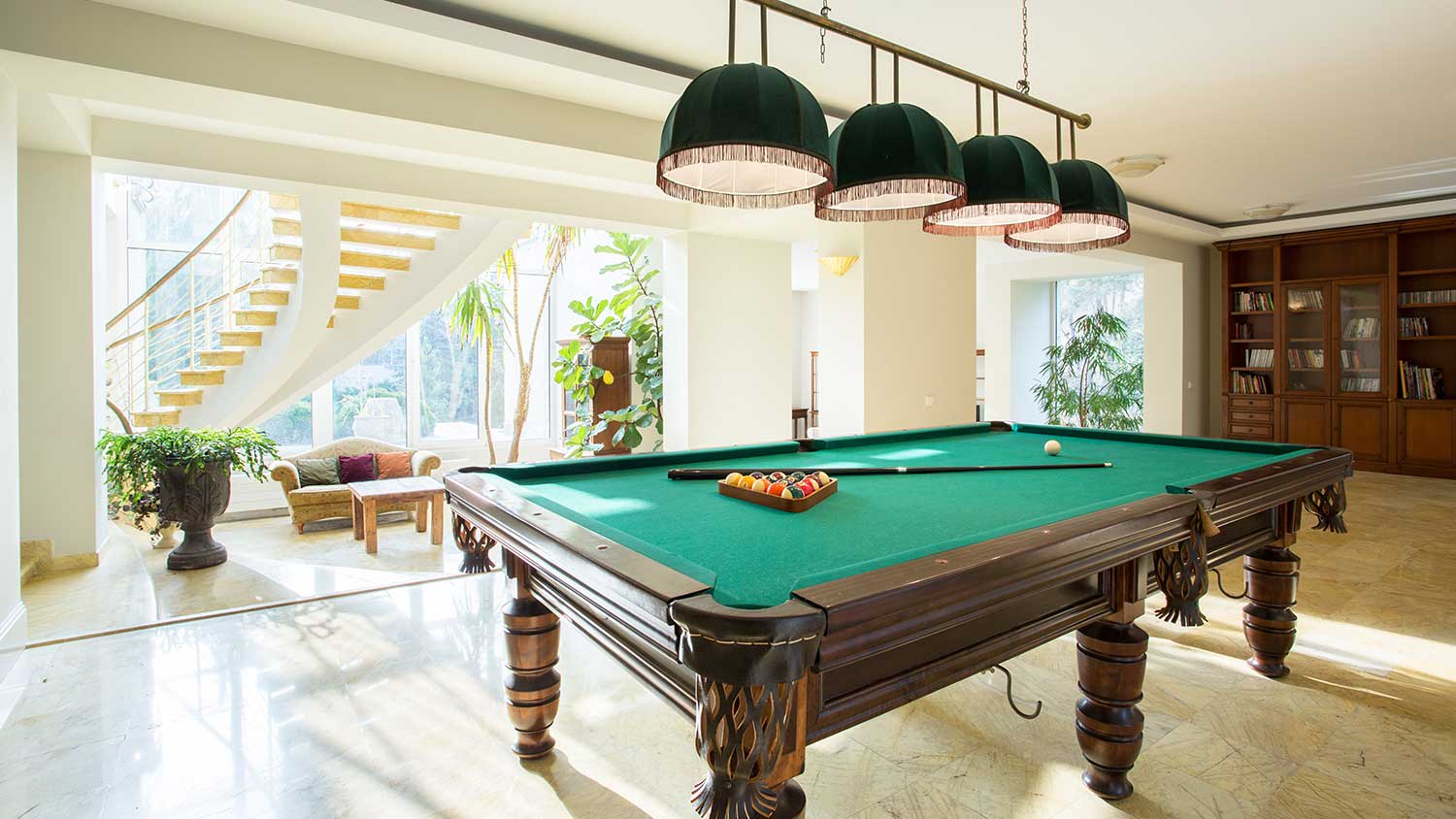
Pool Table Assembly questions, answered by experts
The process involves designing the pool, obtaining necessary permits, excavating, installing plumbing and electrical components, configuring the pool's structure and lining, and finally completing landscaping and decking for integrated aesthetics.
Yes, pool pumps use a significant amount of electricity, making them one of the biggest energy consumers in a home. A pool pump can use up to three times as much electricity as a refrigerator. Typically, a residential pool pump consumes about 1 kilowatt-hour (kWh) for every hour it runs. Because pumps often need to run for about eight hours a day to properly filter the water, this can add up to an annual consumption of 3,000 to 5,000 kWh, which can cost between $480 and $800 per year based on average electricity rates.
The amount of electricity your pump uses depends on its size, energy efficiency, and daily run time. To lower your energy consumption, you can choose an energy-efficient or variable-speed pump, ensure it is correctly sized for your pool, and run it only for the minimum time required to keep the water clean.
It’s a good idea to call in a pro to fill in your pool, because there are many potential hazards to doing it yourself. Unless you’re careful, you can damage your septic tank, plumbing pipes, and sprinkler lines. It’s also possible to damage your sewer connections, utility lines, driveway, landscaping, and sidewalk.
No, shock and chlorine are not the same thing, though they are related and both are used for pool maintenance. Regular chlorine, often in the form of tablets, is a sanitizer used for routine, day-to-day maintenance to keep a steady chlorine level. Pool shock, however, is a highly concentrated dose of chlorine used periodically for a more intense cleaning. It rapidly raises chlorine levels to fix issues like cloudy water or algae growth and also eliminates chloramines, which are byproducts of regular chlorination. Because their purposes and concentrations differ, they are not interchangeable, and proper pool care typically requires using both.
It’s not ideal to swim in a cloud pool, as it can be a sign of algae, bacteria, or calcium buildup as well as chlorine, pH, or alkalinity imbalances. It is best to avoid cloudy water in pools until you determine the cause of the color change.
The Avoca, IA homeowners’ guide to pool table assembly services
From average costs to expert advice, get all the answers you need to get your job done.
Learning how much it costs to refelt a pool table is the first step to getting your game back in top shape. Here's what to know about each type of table.
If you’re not keen on spending your afternoon assembling flat-pack furniture, bring in the professionals. How much does furniture assembly cost? It can be shockingly affordable.
Pool tables and billiard tables come in a variety of sizes and designs. Read our buying guide to ensure you purchase the right one for your family’s gaming room.
Learn about home items that are nearly impossible to move without movers, either because they are awkwardly shaped, too heavy, or require special equipment.