






Top-rated arborists.

Best arborists near Algona, IA

Enter your zip and get matched with up to 5 pros

Need a pro for your arboricultural service project in Algona, IA?

Select your specific project to find the pro for you.

Top-Rated Arborists in Algona - Updated Nov 2026

Avatar for ArborPro Tree Service LLC
ArborPro Tree Service LLC
4.5(
218
)
Tree Removal

Serving Algona, IA and surrounding areas

In business since 2002

Free estimates

Emergency services offered

"Arbor pro- Eric Lowry team did a profession job! I would recommend this company to anyone that wanted a very professional & affordable tree services company. It was amazing the great services they provided! I would use them again & again_ Hands down the best I've dealt with!"
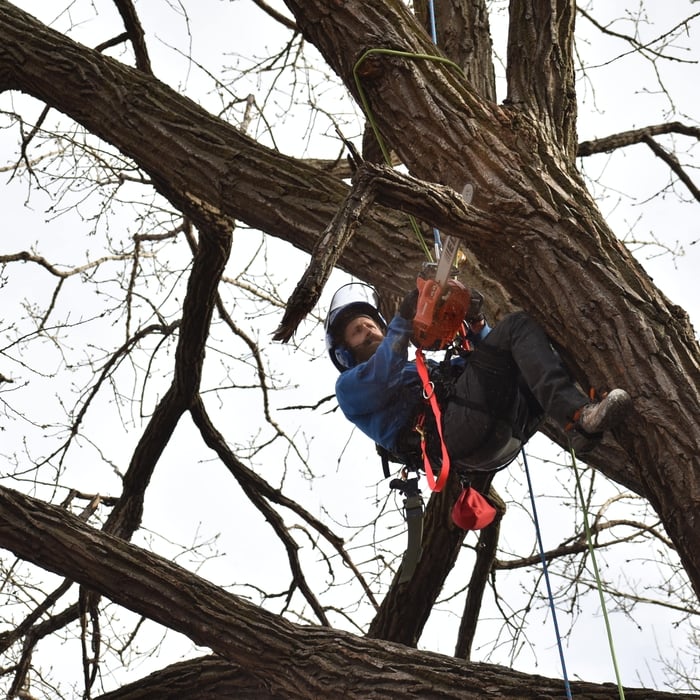
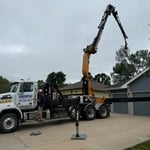
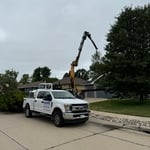
Tree Removal with Crane
Tree Service
Tree Service

+10

Response time4 hrs
Recommended by95%of homeowners
Showing 1-10 of 30
Arborists FAQs, answered by experts

If executed correctly your tree should survive after being transplanted to a new spot. However, effective transplanting requires six months, careful root pruning, safe transport to the new location, and replanting in prime soil conditions. You’ll also need an appropriately sized root ball for a complete tree transplant. A good rule of thumb is that, for every inch in diameter, your tree’s root ball needs to be around 11 inches. So a tree with a diameter of six inches needs a root ball of approximately 66 inches.

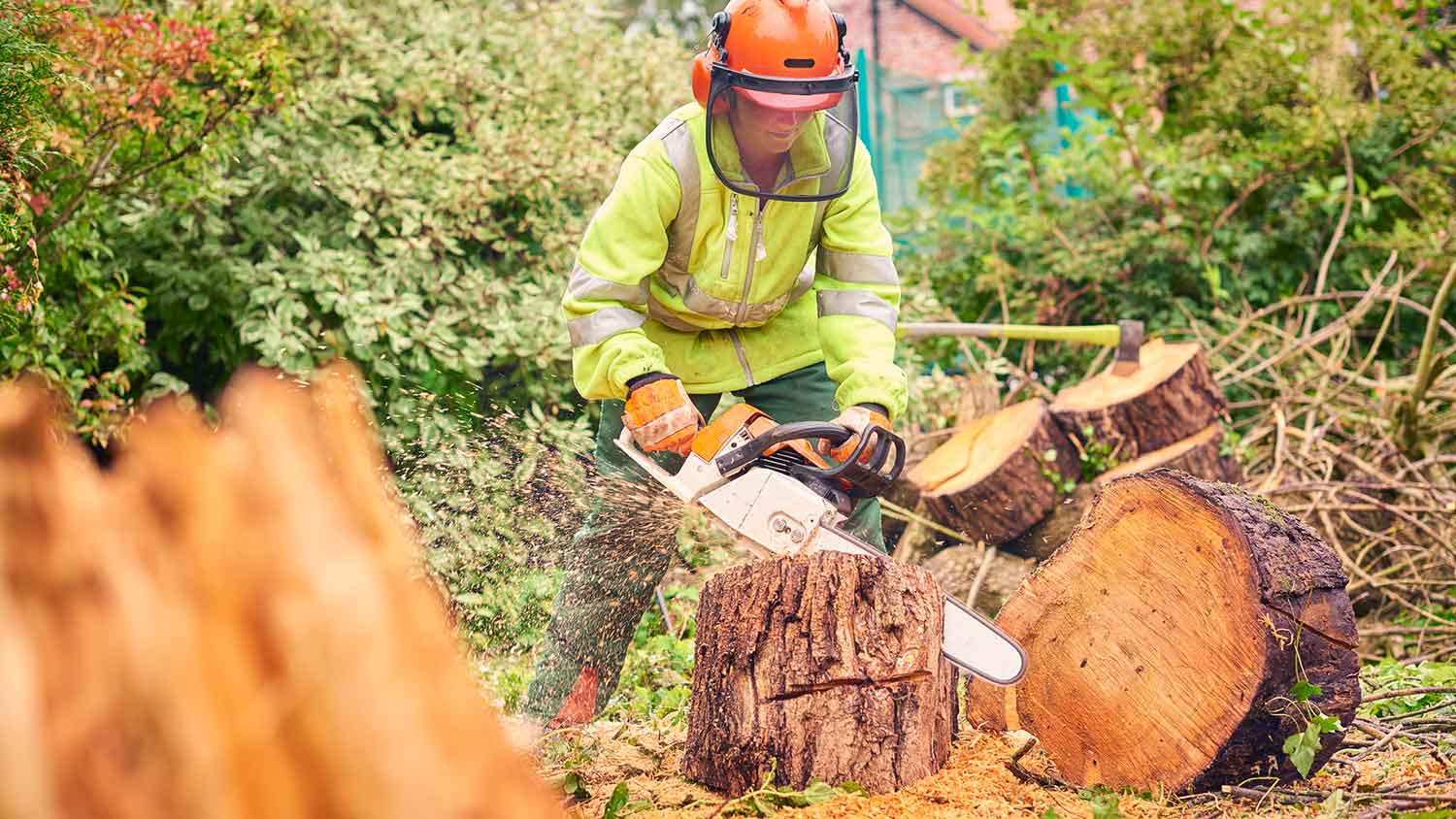
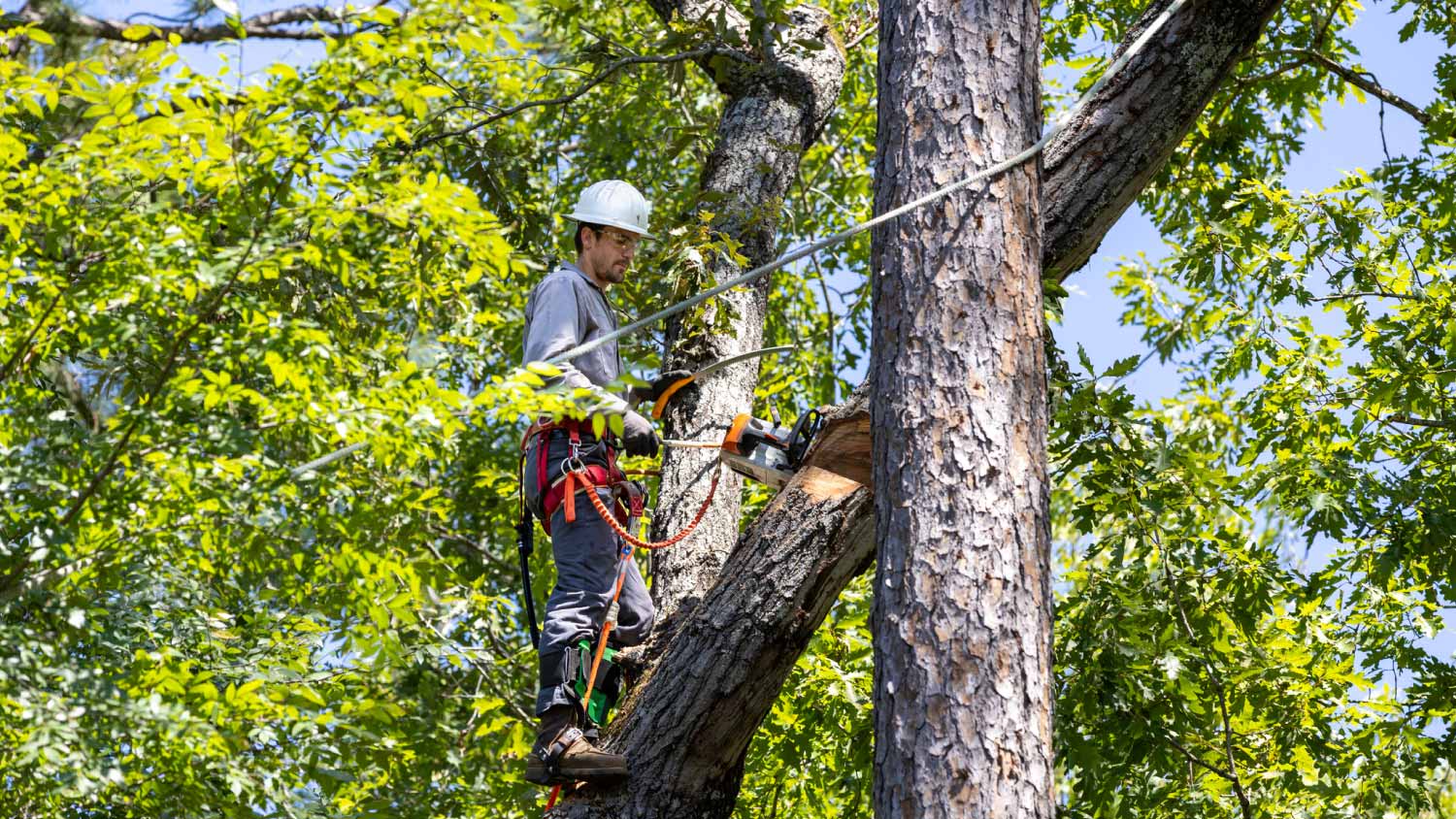
The safest way to cut down a tree is to make sure you’re completely prepared and have done all the necessary safety checks, including double-checking your equipment is in good working order, you have plenty of clearance to fell the tree, you’re wearing all the safety gear, and you have a partner to help you (who should also be wearing safety gear). 

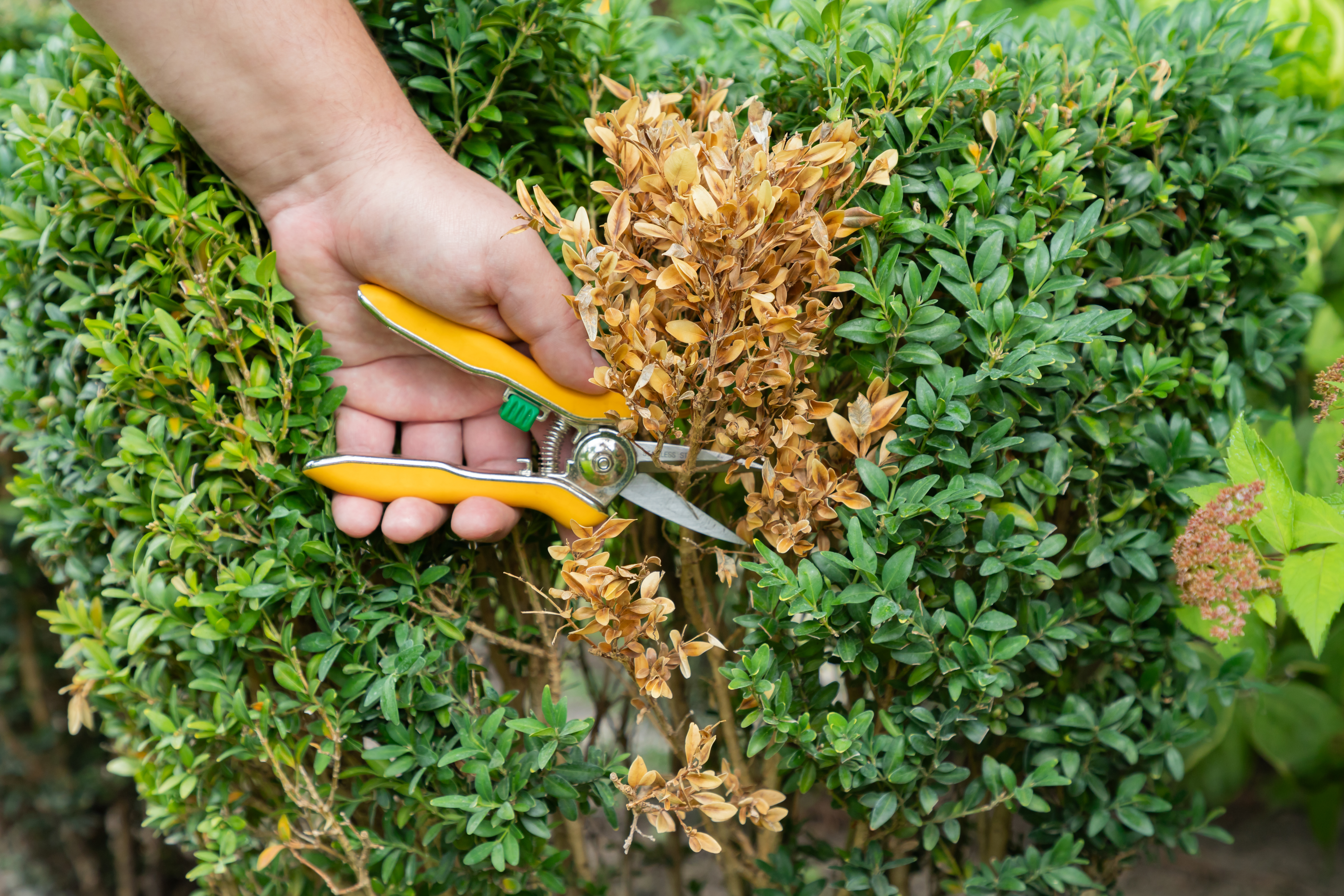
Trees should be pruned every two to five years, depending on its age and type. Young trees should be inspected and pruned every two to three years. Mature trees should be inspected and trimmed every three to five years, and fruit trees should be pruned annually with a careful eye on seasonal growth. Evergreens typically don’t need pruning, unless branches or limbs are damaged, diseased, or harboring pests.

It is possible to cut down a tree on your property yourself, but it is generally not recommended unless specific conditions are met. You should only consider this project if the tree is small (e.g., under 4-5 inches in diameter and short enough that you don't need a ladder to reach the branches), and you are experienced in handling a chainsaw. The tree must also be located far from any power lines, fences, homes, or other structures. Even for small trees, the work can be dangerous, and it's always advisable to have a spotter to ensure the tree falls correctly and no branches fall on you.

For any tree that is large, requires a ladder to access, or is near electrical lines or structures, you should always hire a professional. Attempting to remove a large tree yourself is extremely dangerous, poses a risk of serious injury, and could result in significant damage to your property.

Before any tree removal, it's also important to check your local and state regulations to ensure the tree is not historic or otherwise protected by your city.

A grafted tree is a tree grown by combining two trees. It takes expertise. Branches from grafted trees don’t grow strong roots. Save yourself the time and frustration by having an arborist help you with this advanced project.  

You can often tell if a tree is grafted because it will have a noticeable line. Above the line, the bark will look different than it does below the line. It’s most common with fruit trees.

The Algona, IA homeowners’ guide to arboricultural services

From average costs to expert advice, get all the answers you need to get your job done.