






Top-rated excavation pros.

Get matched with top excavation pros in Alapaha, GA

Enter your zip and get matched with up to 5 pros

Need a pro for your excavation project in Alapaha, GA?

Select your specific project to find the pro for you.

Find Excavation pros in Alapaha

Avatar for Kelley's Southern Land Clearing, LLC
Kelley's Southern Land Clearing, LLC
5.0(
13
)
Building Site - Preparation and Clearing

Serving Alapaha, GA and surrounding areas

Approved

In business since 2018

Free estimates

Emergency services offered

"I would highly recommend using Southern Land Clearing. Will responded promptly to my request for service. His work was excellent and he was onsite until completion. Will certainly has the experience to tackle any project with professionalism and reliability."
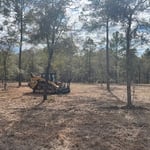
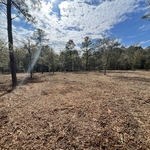
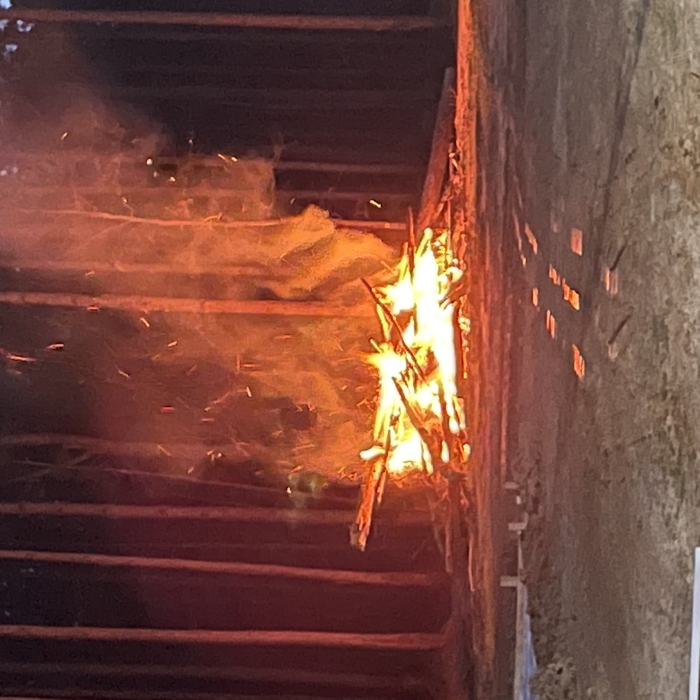
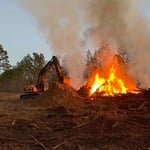
Mulching job
2 acres mulched
Around a pond customer wanted cleared
Mulching job
Mulching job

+5

Response time9 hrs
5 neighbors recently requested a quote
Recommended by91%of homeowners
L & H Demolition
5.0(
2
)
Landscape - Minor Grading or Resloping

Serving Alapaha, GA and surrounding areas

Approved

In business since 2022

Free estimates

Offers commercial services

Here at L & H Demo, I pride myself on my professionalism, as well as my ability to complete every job to the homeowner's total satisfaction. I never leave a job unfinished, or a homeowner not 100% satisfied with my level of service. I handle demolition and grading work in Waycross and the surrounding areas - Call today!\n\n

Response time40 mins
Response rate100%
Purvis Land Development
5.0(
1
)
Building Site - Preparation and ClearingBuilding Site - Preparation and Clearing - For BusinessExcavation - Major Grading or Resloping

Serving Alapaha, GA and surrounding areas

Approved

In business since 2025

Free estimates

Offers commercial services

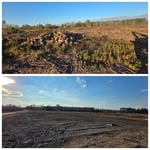
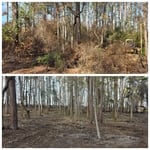
"I hired Mr. Purvis to clear the back corner of the property. This was an area that was overgrown. Several trees were down from Hurricane Helene. Mr. Purvis cleared the fallen trees, their stumps, and the overgrowth at a fair price. The next time I need some work on the property, I’ll be sure to give him a call."
Skidder nest cleaned

+5

1 neighbors recently requested a quote
...
Showing 1-10 of 87
Excavating questions, answered by experts

Prior to excavation, you should prepare the dig site and call 311 before you sign anything.

To get your site ready for excavation, you should move anything in the area that isn’t affixed to the land. You can save money on the excavation by removing hardscaping, including walkways, decks, concrete patios, and paver patios.

Before you carry out any digging, you should call 311 to confirm that there are no utility lines running through your excavation site. Skipping this step could lead to severe injury and property damage if your excavator hits a water, sewage, or gas line.

In most areas, you will need a permit for excavation work, even for projects that only involve grading or yard leveling. Permit requirements depend on your local government and the scope of the project, but they are especially common for significant digging or work that could affect utilities or public property. These permits help protect the local topography and prevent drainage issues. An experienced excavation company will typically know whether permits are needed and can often handle the process of pulling and closing them for you. You can also verify permit requirements by contacting your local building department and describing your project.

Professional installers often include a deep layer of crushed gravel under permeable pavers to allow more runoff to soak through into the soil below. Many installations will include multiple layers of gravel, with coarser aggregate at the base and finer aggregate that sits on top of that bottom layer. Above the gravel, you’ll often find coarse sand that helps reduce paver shifting over time. Some permeable paver designs include a water collection system set into the gravel layer to route runoff to a safe area for disposal.

A trench that is less than 5 feet deep often doesn't require a protective system. Most residential trenches will not go this deep (the typical residential drainage trench is just 18 inches deep). In the event that an excavator needs to dig more than 5 feet beneath the surface, a protective system is required unless the excavation is in entirely stable rock.

How deep your septic system needs to be into the ground depends on several factors. In extremely cold environments, the tank needs to rest below the maximum frost line, which can be up to six or eight feet deep. The standard burying depth for most systems is between a few inches and four feet below ground level. Depth can also depend on the slope of the landscaping and other property variables. 

The Alapaha, GA homeowners’ guide to excavation services

From average costs to expert advice, get all the answers you need to get your job done.