




Top-rated electricians.

Get matched with top electricians in Sugar Hill, GA

Enter your zip and get matched with up to 5 pros

TRUSTED BY SUGAR HILL, GA HOMEOWNERS

  • Average homeowner rating star icon4.5
    Average homeowner rating
  • Verified reviews icon3k+
    Verified electrical services reviews

Find Electricians in Sugar Hill

Avatar for North Georgia Electrical Services
North Georgia Electrical Services
4.9(
18
)
Electric Vehicle Charging Station Installation - Materials Not ProvidedElectric Vehicle Charging Station Installation - Materials Provided by ConsumerElectrical Switches, Outlets & Fixtures - Install or Repair+5 more

Serving Sugar Hill, GA and surrounding areas

Approved

In business since 2008

Free estimates

Credit card accepted

"FIVE stars! Honest, professional, and reliable. I would recommend NGES to anyone looking for electric work. Philip and his team addressed everything found on our home inspection report and explained the process clearly so we understood everything. They were prompt and did a great job. We will definitely be using them in the future."
Lighting replacement
Service Upgrade
New Construction
Commercial Service Disconnect For Machine
LED Lighting

+26

Response time2 days
Recommended by87%of homeowners

...
Showing 1-10 of 689
Electrical questions, answered by experts

The Occupational Safety and Home Administration (OSHA) requires an electrical panel to have a minimum of three feet (36 inches) of room from the front of the panel to the closest obstacle. In this case, the word obstacle refers to nearly everything, including walls, machines, and other fixed objects. Additionally, panels require at least 6½ feet of headroom in the area directly in front of the fixture. These requirements help ensure safe use of the panel and allow electricians plenty of room to work.

A water heater is one of the heaviest hitters in your home, and it needs as much power as possible to help it run efficiently and effectively.

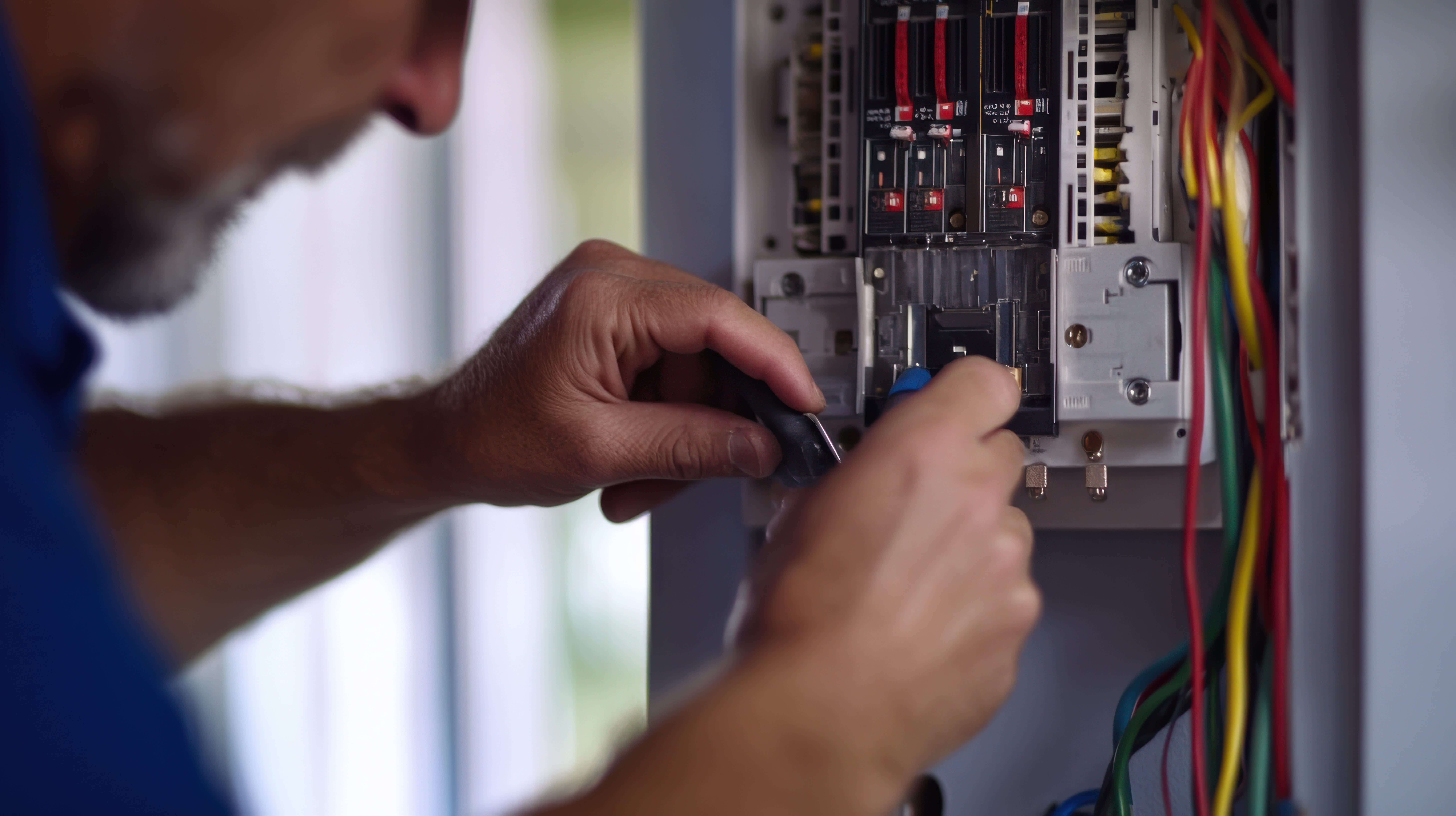
Your water heater should be on its own dedicated circuit breaker, with no other power sources running to it. This is required to meet the National Electric Code–and to ensure it runs as efficiently as possible.

Yes, pool pumps use a significant amount of electricity, making them one of the biggest energy consumers in a home. A pool pump can use up to three times as much electricity as a refrigerator. Typically, a residential pool pump consumes about 1 kilowatt-hour (kWh) for every hour it runs. Because pumps often need to run for about eight hours a day to properly filter the water, this can add up to an annual consumption of 3,000 to 5,000 kWh, which can cost between $480 and $800 per year based on average electricity rates.

The amount of electricity your pump uses depends on its size, energy efficiency, and daily run time. To lower your energy consumption, you can choose an energy-efficient or variable-speed pump, ensure it is correctly sized for your pool, and run it only for the minimum time required to keep the water clean.

The safest way to pull an electrical cord from the wall outlet is by gently but firmly grabbing the plug and pulling it out. Pulling on the cord instead of the plug can cause damage to the cord, leading to an increased risk of electrical problems like fire or electric shock. If you notice damaged wiring on an appliance or device, it’s best to stop using it immediately.

Yes, standard dimmer switches should never be used to control a ceiling fan motor. They’re designed for lighting, not motors, and they can cause humming, overheating, or permanent damage. You should only use switches that are specifically labeled for fan speed control.

The Sugar Hill, GA homeowners’ guide to electrical services

From average costs to expert advice, get all the answers you need to get your job done.