
Top-rated excavation pros.

Best excavation pros near Irwinton, GA

Enter your zip and get matched with up to 5 pros

Need a pro for your excavation project in Irwinton, GA?

Select your specific project to find the pro for you.

Top-Rated Excavation pros in Irwinton - Updated Nov 2026

Avatar for Royal Landscape & Design
Royal Landscape & Design
5.0(
5
)
Landscape - Minor Grading or Resloping

Serving Irwinton, GA and surrounding areas

Approved

In business since 2025

Free estimates

Offers commercial services

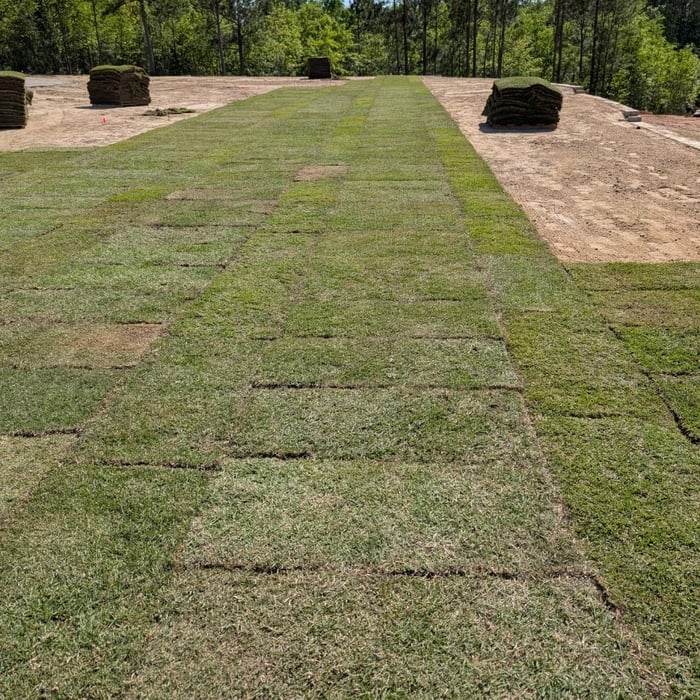
"I couldn’t have asked to hire a better company for the job. I told them what I wanted and they brought the picture in my head to life even down to the slightest detail. The owner Colby is very good at communicating and explains everything down to a t. I would highly recommend them to anyone no matter how big the job is!!"
Zoysia sod installation

+3

21 neighbors recently requested a quote

Avatar for Absolute Site Solutions

Absolute Site Solutions
5.0(
1
)
Building Site - Preparation and ClearingBuilding Site - Preparation and Clearing - For BusinessExcavation - Major Grading or Resloping+1 more

Serving Irwinton, GA and surrounding areas

Approved

Free estimates

Credit card accepted

Offers commercial services

is committed to excellence in every aspect of our business. We uphold a standard of integrity bound by fairness, honesty, and personal responsibility. Our distinction is the quality of service we bring to our customers. Accurate knowledge of our trade combined with ability is what makes us true professionals. Above all, we are watchful of our customers' interests, and make their concerns the basis of our business \n

Septic Installation
Septic Installation
Septic Installation
Septic Installation
3 neighbors recently requested a quote
...
Showing 1-10 of 94
Excavating FAQs, answered by experts

You do not have to dig footers for a deck as long as it meets local code and holds up to weather in your area. If you live somewhere that experiences high winds and earthquakes, you may need to dig for your deck posts. Deck blocks, post anchors with base plates, and helical pile systems are the three no-dig deck post options you can choose from if local code permits.

Call 811 to locate and mark the gas lines at least three days before digging. In many areas, you can dig within 18 inches of the lines, though in some locations, the distance may be further. Check local regulations, as you may need a utility company representative onsite when digging. Document your calls to 811 and precautions taken to avoid gas lines. A homeowner can be held liable for hitting a gas line in some cases, but contacting the proper authorities and following all guidelines can offer protection.

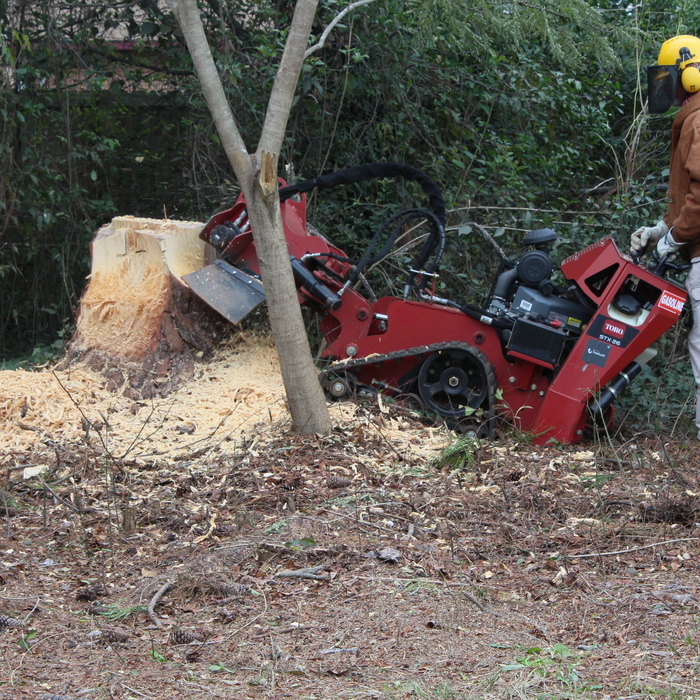
There are several methods to hollow out a tree stump, and the best one depends on your tools, experience, and priorities. Common methods include using a chisel and hammer, a chainsaw, or burning.

  • Chisel and Hammer: This is often considered the easiest approach for those with limited tools or experience, though it is the most time-consuming.

  • Chainsaw: Using a chainsaw is the fastest method, but it comes with significant safety risks, especially for inexperienced users.

  • Burning: This can be an effective method, but it is not recommended unless you can first drill holes into the stump. Without holes, the stump will be difficult to light and may not burn completely through.

A power drill with at least a ⅜-inch diameter bit can make the job quicker and easier, regardless of the primary method. While you can use a chisel or chainsaw without a drill, it will require more time and effort. Always wear protective goggles and thick gloves, as splinters are an inevitable risk.

A joint utility trench, or joint trench, is a long, buried ditch on a property that contains two or more utility lines rather than running the lines in multiple trenches. Some utilities, like gas and electric or electric and communication lines, are better suited to joint trenching, while others, like water and sewer, are not allowed to be in the same trench.

In the United States, a depth of 36 inches (three feet) for underground water lines is the accepted industry standard. This depth varies from location to location based on local conditions. In areas with colder winters, they may be buried deeper to prevent frozen well water pipes : This is usually at least six inches below the frost level. The International Plumbing Code calls for a minimum of 12 inches below grade.

The Irwinton, GA homeowners’ guide to excavation services

From average costs to expert advice, get all the answers you need to get your job done.