



Top-rated lead testing and removal specialists.

Best lead testing and removal specialists near Greenville, GA

Enter your zip and get matched with up to 5 pros

Need a pro for your lead testing and removal project in Greenville, GA?

Select your specific project to find the pro for you.

Top-Rated Lead testing and removal specialists in Greenville - Updated Nov 2026

Avatar for Delaton Service Corporation
Delaton Service Corporation
5.0(
5
)
Toxic Lead - Abatement

Serving Greenville, GA and surrounding areas

In business since 1986

Emergency services offered

Credit card accepted

With several years experience, we work hard to bring each customer the best possible service and quality available. We look forward to working with you on your next project. We take great pride in our experience, expertise, quality, and customer service that we provide to meet the consumer’s needs. It is our mission to provide excellent workmanship and complete customer satisfaction from start to completion of a project. In order to understand the needs and expectations of our customers, we take great care to work and communicate with every customer in a professional manner. Our reputation is based on service, safety, and quality, regardless of how large or small the job. We welcome your questions and thank you for your interest. Call today!
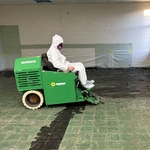
Asbestos Abatement
Asbestos Abatement
Asbestos Abatement
Asbestos Abatement
Content Cleaning

+5

Response time4 hrs
Response rate100%
Lead Testing and Removal FAQs, answered by experts

According to the Environmental Protection Agency (EPA), hazardous waste is generally classified into four main categories:

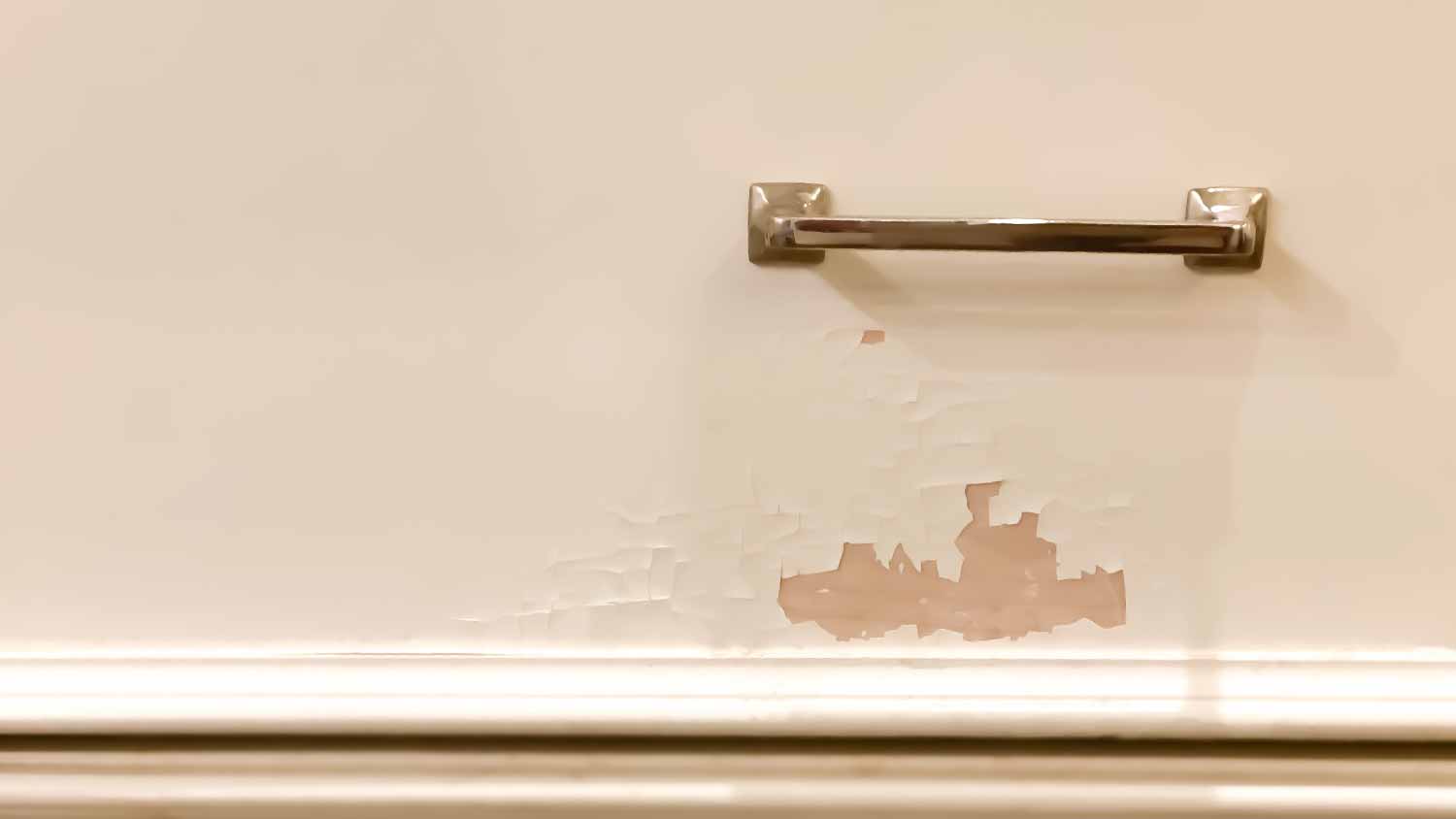
1. Characteristic Wastes: These exhibit at least one of four hazardous traits: ignitability (flammable, like gasoline), corrosivity (can rust or decompose materials, like car batteries), reactivity (unstable and can explode, like aerosol cans), or toxicity (harmful when ingested, like lead-based paint).

2. Listed Wastes: These are specific wastes from manufacturing and industrial processes that the EPA has officially designated as hazardous. They include byproducts from processes that use solvents, pesticides, and other chemicals.

3. Universal Wastes: These are commonly generated hazardous items that are subject to streamlined regulations. Examples include batteries, pesticides, mercury-containing equipment (e.g., bulbs), and some lamps.

4. Mixed Wastes: This category includes waste that contains both hazardous and radioactive components, making it subject to regulation by both the EPA and the Nuclear Regulatory Commission.

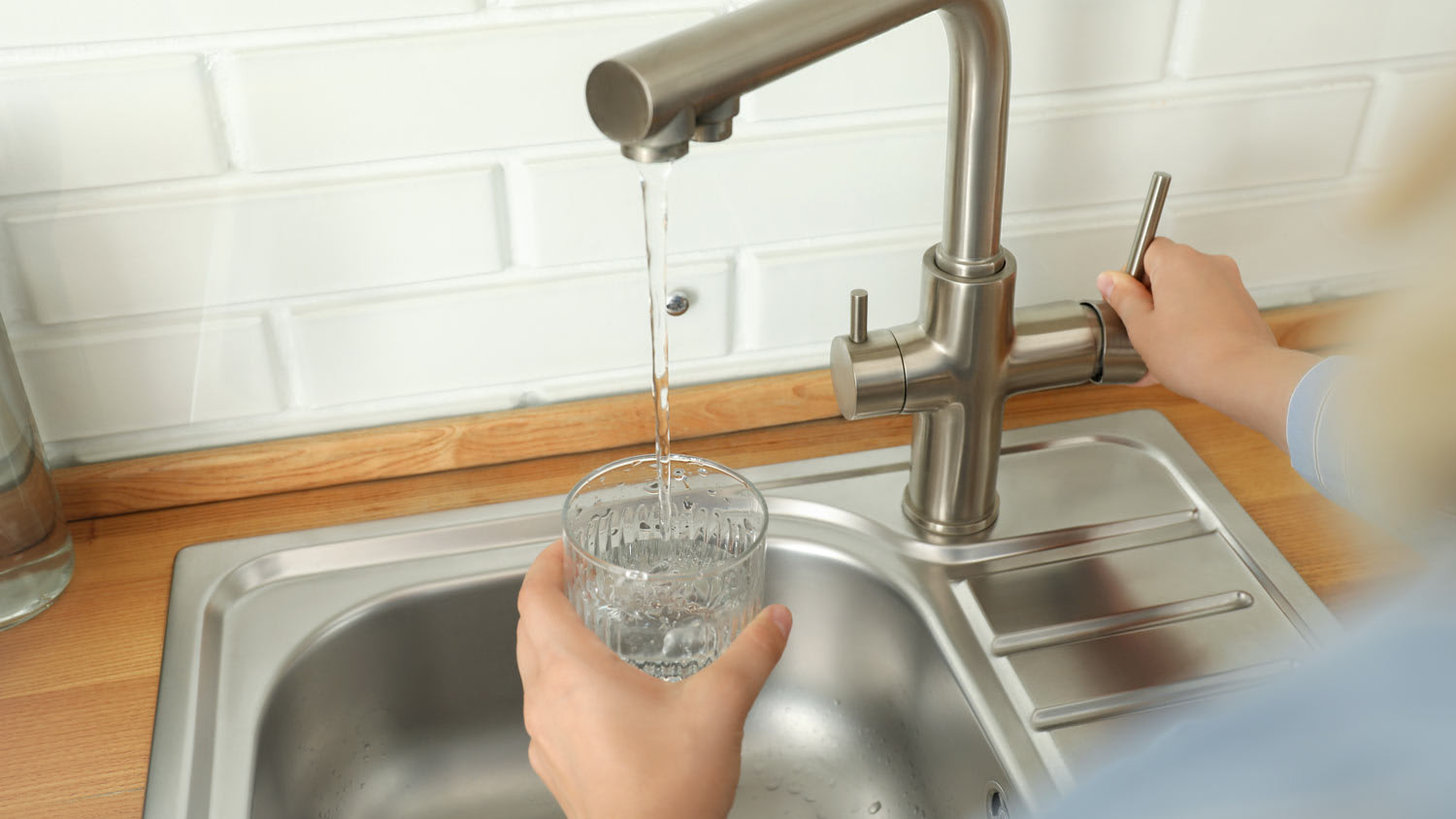
“Testing” can start with your senses: Assessing your water’s appearance, taste, and smell can all be good first steps. The best way to know for sure what’s going on with your water is to use a well water testing kit, which can tell you about the specific levels of bacteria, dissolved solids, and hardness of your water with precision. Have a pro test your well water at least once per year.

Results from professional lead testing are typically available within a few days to a week (2-7 days), depending on factors like laboratory processing times and the volume of samples being analyzed. Expedited services may also be available for urgent situations.

How you test for lead in your water depends on the source of your home's water supply. If you have municipal water, your local water system may offer to test the water for free or may connect you to a lab that will perform the testing.

If you have a private well that provides drinking water, you are responsible for testing it for lead. Look for a lab that is accredited by your state's Department of Environmental Protection to perform the test.

Determining if your water main contains lead involves a few steps. First, check the age of your property, as homes built before the 1980s might have lead pipes. Contact your water utility company for information on your service line material. Then, you can hire a professional plumber to conduct an inspection or use a lead testing kit to analyze water from the main line.

The Greenville, GA homeowners’ guide to lead testing and removal services

From average costs to expert advice, get all the answers you need to get your job done.