







Top-rated deck staining pros.

Get matched with top deck staining pros in Greenville, GA

Enter your zip and get matched with up to 5 pros

Need a pro for your deck staining project in Greenville, GA?

Select your specific project to find the pro for you.

TRUSTED BY GREENVILLE, GA HOMEOWNERS

  • Average homeowner rating star icon4.8
    Average homeowner rating
  • Verified reviews icon17
    Verified deck staining services reviews

Find Deck staining pros in Greenville

Harry B
New to Angi
Exterior Home or Structure - Paint or StainExterior Home or Structure - Paint or Stain: LargeExterior Home or Structure - Paint or Stain: Medium

Serving Greenville, GA and surrounding areas

Approved

Reliable and detail-oriented contractor providing high-quality home repair and improvement services. I specialize in a wide range of tasks including general repairs, installations, maintenance, and small to medium renovation projects. My goal is to deliver dependable workmanship, clear communication, and honest service on every job, whether it’s a quick fix or a larger project.\n\nI take pride in treating every home with care and ensuring the work is done right the first time. Punctual, professional, and committed to customer satisfaction, I focus on practical solutions that keep your home in good shape!

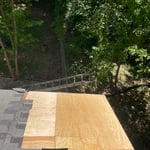
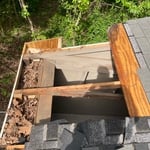
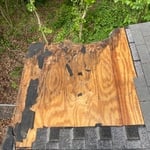
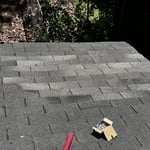
Roof rot repair
Roof rot repair
Roof rot repair
Roof rot repair
...
Showing 1-10 of 134
Deck Staining questions, answered by experts

Wood stain does go bad, but it will last in the can for between three and six years, provided you use proper storage techniques. Storing wood stain in open containers or in extremely low or high temperatures will cause your wood stain to become unusable much more quickly. Water- and latex-based wood stains typically last for just two to four years, while oil-based wood stains can last for three to six years.
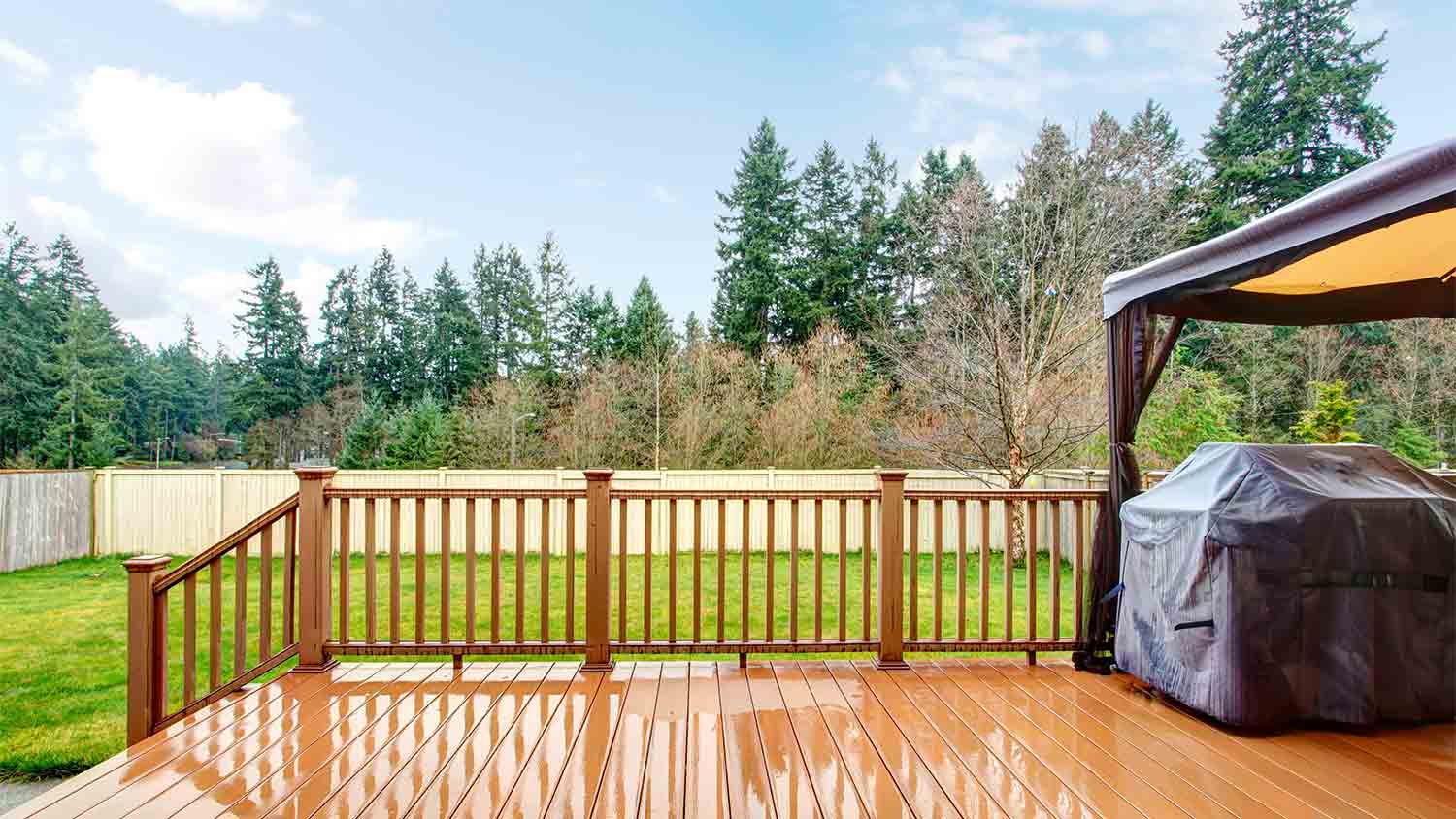
Staining or sealing a cedar deck or fence is highly recommended to extend its lifespan and protect it from the elements. While cedar is naturally resistant to mold and mildew, it is not impervious to damage from moisture, sun exposure, splintering, fading, and rot over time. Applying a protective finish creates a shield that preserves the wood's strength and appearance, potentially extending its life by five to 10 years.

When choosing a finish, it's helpful to understand the difference between a sealer and a stain. A sealer sits on top of the wood, whereas a combination stain and sealer soaks into the top layer. Because it penetrates the wood, a stain generally offers better protection against UV damage and rot and lasts significantly longer. For the best results that also preserve the wood's natural color, consider using a near-translucent stain.
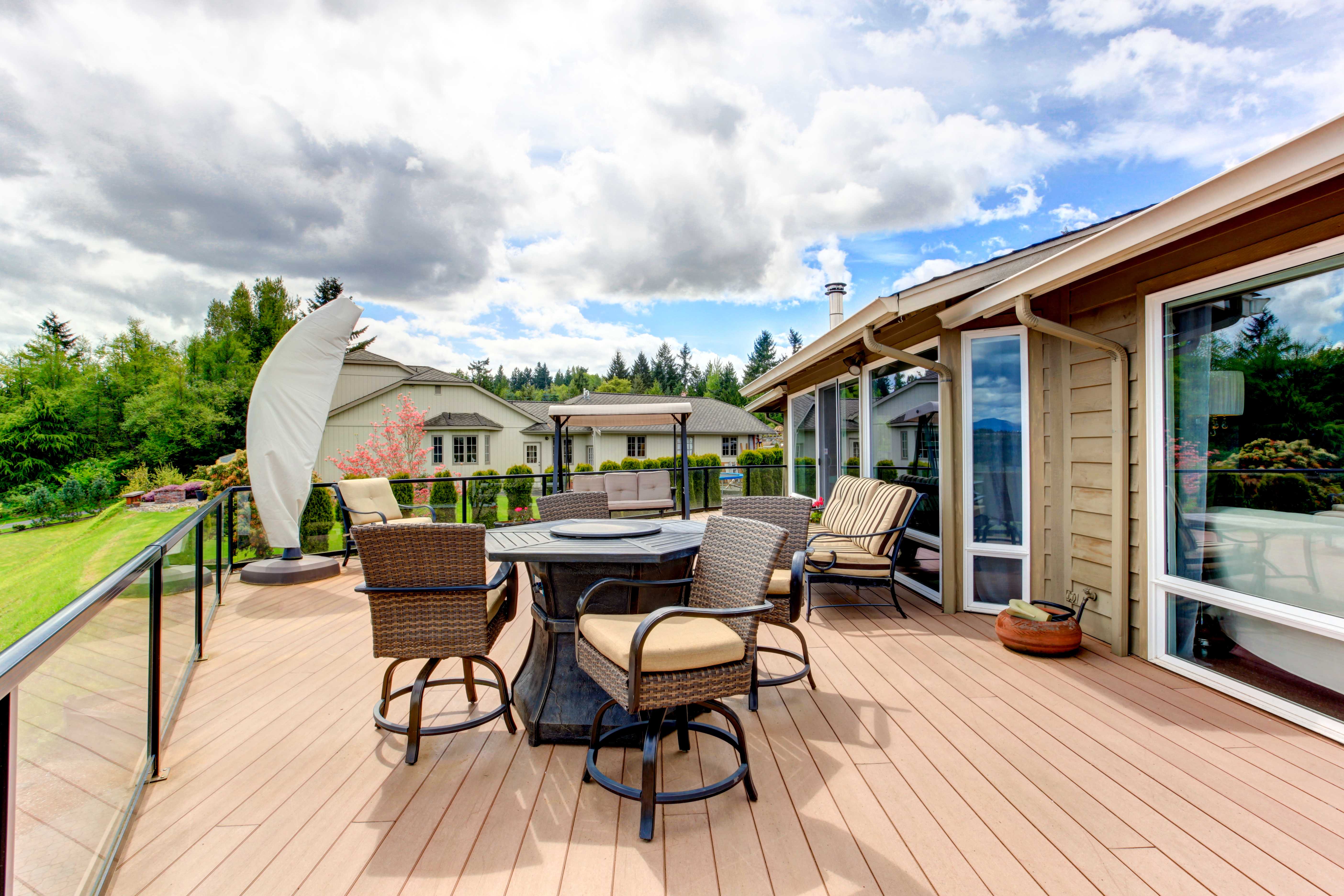
To maintain protection, plan on reapplying the stain or sealer every two to three years, either as a DIY project or by hiring a professional.

It is not always necessary to remove old stain before restaining a deck. If the previous stain is in good condition and is compatible with the new stain, you may be able to apply a new coat after thorough cleaning. However, if the old stain is in bad condition, flaking, or peeling, it is best to remove it completely to ensure an even surface and proper adhesion for the new coat. Staining over a damaged layer can lead to an uneven finish and poor penetration. For best results, test a small area first and consult the stain manufacturer's guidelines.

By applying protective finishes and using durable materials that withstand weather and time.

There are deck restoration products and oil-based wood stains that can help bring back some of the color and shine to your faded Trex decking. However, if your boards are suffering from serious fading due to UV rays or chemical cleaning products, don’t expect miracles. Also, these products are only suitable for use on the older Trex boards, not the capped, second-generation Trex products. 

The Greenville, GA homeowners’ guide to deck staining services

From average costs to expert advice, get all the answers you need to get your job done.