






Top-rated deck cleaning pros.

Get matched with top deck cleaning pros in Ellabell, GA

Enter your zip and get matched with up to 5 pros

Need a pro for your deck cleaning project in Ellabell, GA?

Select your specific project to find the pro for you.

TRUSTED BY ELLABELL, GA HOMEOWNERS

  • Average homeowner rating star icon4.6
    Average homeowner rating
  • Verified reviews icon114
    Verified deck cleaning services reviews

Find Deck cleaning pros in Ellabell

Avatar for 2 Veteran's Construction
2 Veteran's Construction
5.0(
2
)

Serving Ellabell, GA and surrounding areas

Approved

In business since 2025

Free estimates

Small jobs welcome

"The job was done to perfection and with great respect. I was kept informed and updated on a daily basis. The level of detail is amazing and I couldn’t be more pleased."
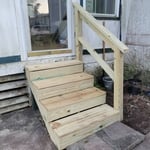
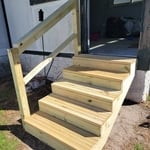
Replace exterior stairs
Response time5 hrs
Response rate100%
1 neighbors recently requested a quote

...
Showing 1-10 of 91
Deck Cleaning questions, answered by experts

Yes, you can build a pool deck yourself, but it takes precision, a lot of time, and many specific tools. You’ll need to create a deck plan, be careful with measurements, cut each piece of wood, secure the pieces properly, and ensure the deck meets building codes. Building a deck around a pool is a rewarding DIY, but it’s time- and labor-intensive, so thoughtfully consider your abilities and the time you have before embarking on this DIY.

Deck stairs should have at least three stringers rather than two. The recommended minimum width for stairs is 36 inches, and the International Association of Certified Home Inspectors recommends at least three cut stringers to provide sufficient support on wood decking stairs of this width. Generally, stringers should be a maximum of 16 inches apart for wood decking and 12 inches apart for more flexible composite decking.

Most building codes require that spindles or balusters on deck and stair railings be spaced no more than four inches apart. This safety standard, often called the '4-inch sphere rule,' is designed to prevent small children or pets from slipping through the railing. A good way to visualize this is that a 4-inch sphere should not be able to pass between two spindles. For the same safety reason, the space between the bottom rail and the deck floor should also be no more than four inches. As a general guideline, professionals often install three balusters per foot of railing. However, since specific requirements can vary by location, it is crucial to check your local building codes to ensure compliance before starting your project.

Pressure-treated decking may be worth it if you want a natural, insect- and rot-resistant decking material that will last for decades with proper maintenance. As such, it’s a much better option than untreated pine. Alternative wood decking materials like cedar and redwood tend to be less durable and more expensive. Some homeowners prefer composite decking, which is a low-maintenance alternative to wood but is also more costly.

The best base materials for a ground-level or floating deck are typically gravel and crushed stone (also known as landscaping rocks). These options are inexpensive, provide excellent drainage, prevent weeds, and help minimize moisture buildup, which reduces shifting and rotting. For added stability and to evenly distribute the weight, you can use concrete deck blocks or pavers. While more expensive, concrete blocks and pavers offer a sturdier base than gravel or crushed stone alone.

The Ellabell, GA homeowners’ guide to deck cleaning services

From average costs to expert advice, get all the answers you need to get your job done.