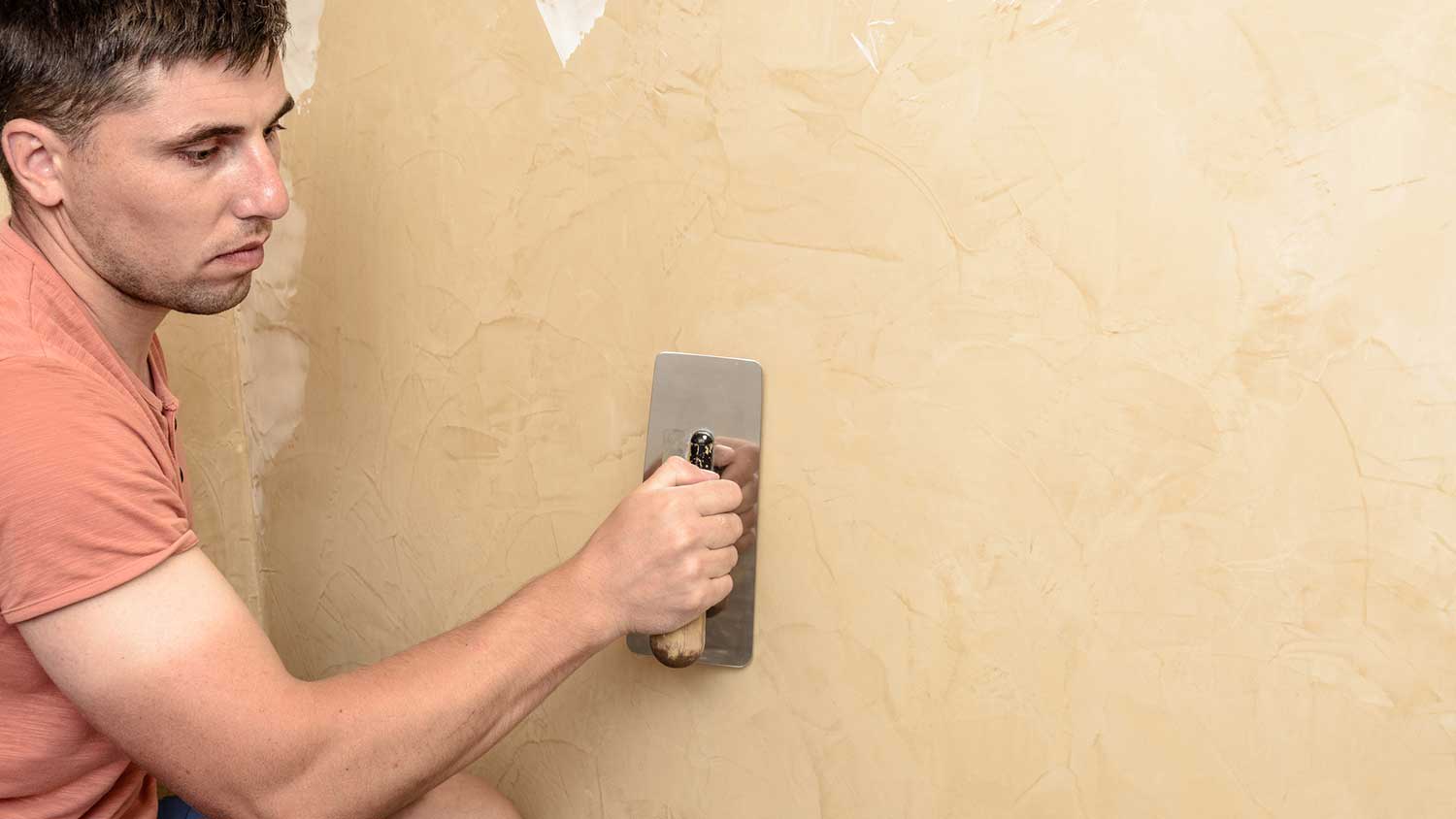




Top-rated drywall pros.

Best drywall pros near Eastman, GA

Enter your zip and get matched with up to 5 pros

Need a pro for your drywall service project in Eastman, GA?

Select your specific project to find the pro for you.

Top-Rated Drywall pros in Eastman - Updated Nov 2026

Avatar for Aleman Drywall Services LLC
Aleman Drywall Services LLC
5.0(
4
)
Drywall - RepairDrywall - Install

Serving Eastman, GA and surrounding areas

Approved

Free estimates

Emergency services offered

Small jobs welcome

"These guys did an absolute outstanding job on our project. Very professional, punctual, and highly communicative. The drywall installation and taping are perfectly seamless, leaving our walls smooth and completely ready for paint."
12 neighbors recently requested a quote
Vladimir Baza
New to Angi
Drywall - InstallDrywall - Repair

Serving Eastman, GA and surrounding areas

Approved

Small jobs welcome

Offers commercial services

Hello, my name is Vladimir, and I’m a metal stud framer and drywall installer with over 4 years of hands-on construction experience. I specialize in commercial metal stud framing, interior walls, soffits, ceiling framing, and drywall installation. I take pride in my workmanship, attention to detail, and making sure every job is completed correctly and professionally. I’m dependable, hardworking, and committed to providing quality results. I serve Tifton and the surrounding South Georgia area and look forward to helping you with your next construction project.

Trinity General Contracting Pros
New to Angi
Drywall - Repair - For Business

Serving Eastman, GA and surrounding areas

Approved

Free estimates

Emergency services offered

Warranties offered

\n Trinity General Contractor Pros is a full-service residential and light commercial contractor delivering quality craftsmanship with integrity and reliability. We specialize in roofing installation and repairs, Fortified roofing systems, storm damage restoration, siding, soffit and fascia repair, gutters, windows, doors, framing, structural repairs, drywall, remodeling, and new construction. From minor repairs to full roof replacements and hurricane restoration projects, our team is committed to doing the job right the first time. We provide thorough inspections, insurance claim support, and dependable project management to ensure every project is built strong and built to last.

...
Showing 1-10 of 90
Drywall FAQs, answered by experts

The two most common drywall thicknesses for ceilings are 1/2-inch and 5/8-inch. For most standard residential applications, 1/2-inch drywall is sufficient and widely used. It provides adequate support and is lighter and easier to handle during installation compared to thicker sheets. However, 5/8-inch drywall is often used for specific cases where additional benefits are needed. It is heavier but provides superior sound dampening and fire resistance. You should consider using 5/8-inch drywall for ceilings in commercial buildings, between a garage and a living space, or above a finished basement to meet building codes or for enhanced soundproofing.

Although they have similar applications, spackle and joint compound are not the same. Their primary differences lie in their composition, consistency, and ideal use cases.

Spackle is composed of gypsum and binding agents, making it thicker than joint compound. It dries quickly and is easy to sand, which makes it ideal for small wall repair projects like filling nail holes or patching minor damage.

Joint compound, also known as drywall mud, consists of limestone and gypsum. It is primarily used for large-scale projects, such as taping and finishing the seams on newly installed drywall. It tends to shrink more than spackle and can be more difficult to spread.

While both products can be used to fill small depressions and cracks, spackle cannot replace joint compound for taping and mudding new drywall. Conversely, you can often use joint compound for small patching jobs typically done with spackle.

Walls should be as smooth as possible before applying peel-and-stick wallpaper. Although you technically can apply wallpaper on textured walls, the peel-and-stick variety won’t last long without a clean, smooth surface for the adhesive to stick to. If you have textured walls, consult a pro about removing the textured finish before moving forward with wallpaper.

Drywall anchors won’t work on plaster. Instead, they will more than likely cause more damage and pull out the plaster. The best type of anchors to use on plaster walls are the ones that will bite into the surrounding area, such as molly bolts and toggle bolts. Masonry anchors with expanders on the sides also work for lighter pictures.

Whether to repair or replace water-damaged plaster depends on the scale of the damage. For small, limited areas, you can often perform a repair yourself. If you choose to paint over small patches, ensure the surface is completely dry and apply a coat of antifungal primer first to prevent mold growth. However, simply painting or plastering over the damage is only a temporary solution that doesn't address the core problem. For more extensive or long-term damage, the plaster may be compromised, and there is a risk of mold. In these cases, it is recommended to remove the damaged section of plasterboard and replace it. You may consider hiring a professional for the repair, and it's worth noting that water damage is often covered by home insurance.

The Eastman, GA homeowners’ guide to drywall services

From average costs to expert advice, get all the answers you need to get your job done.