





Top-rated sewer cleaners.

Get matched with top sewer cleaners in Berlin, GA

Enter your zip and get matched with up to 5 pros

Need a pro for your sewer cleaning project in Berlin, GA?

Select your specific project to find the pro for you.

Find Sewer cleaners in Berlin

Sewer Cleaning questions, answered by experts

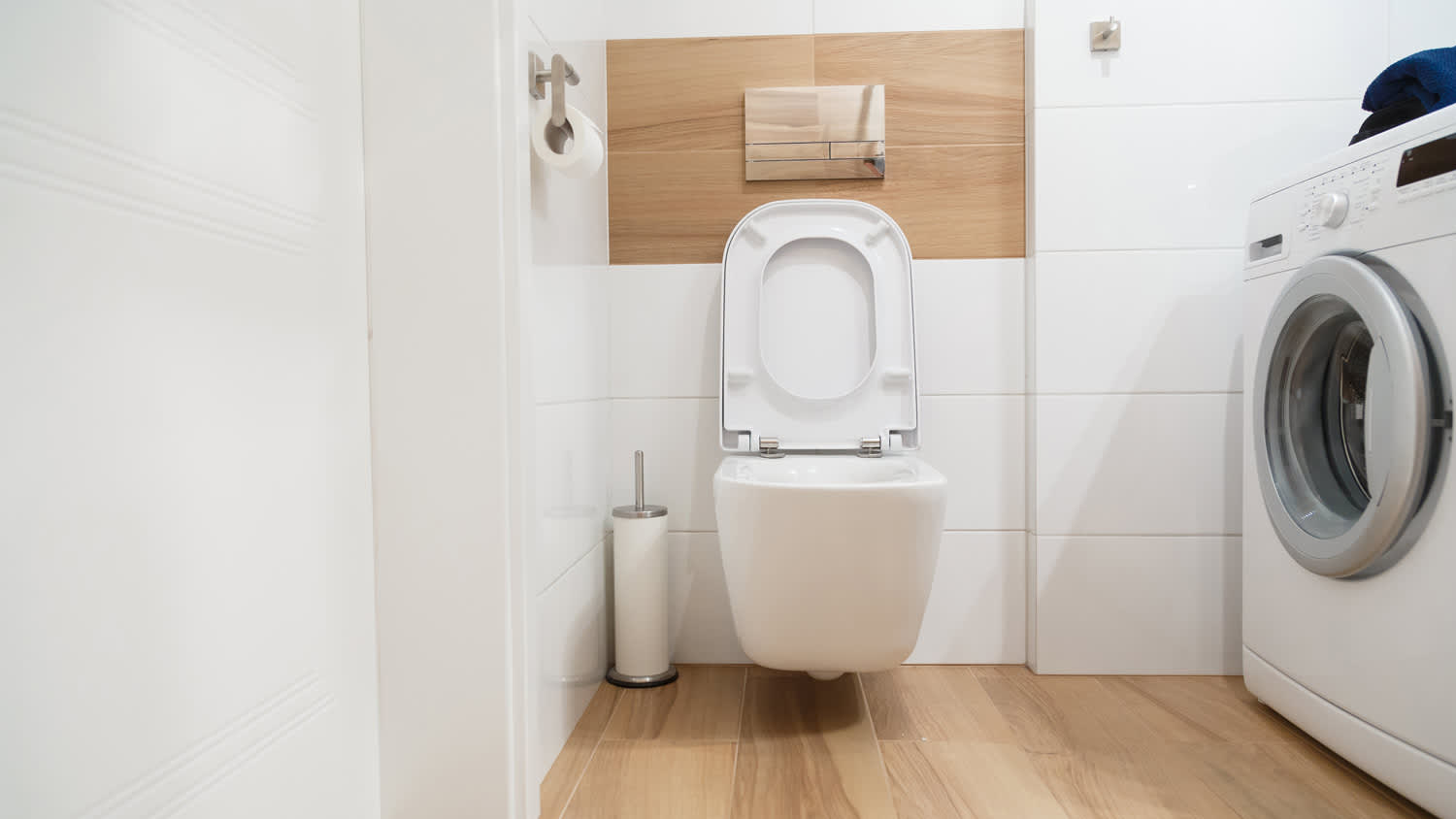
Toilet paper is the only material that you should flush down toilets. Other items like wipes, paper towels, feminine hygiene products, dental floss, and medications should be disposed of in the trash. Flushing these items can lead to plumbing issues and damage to sewage systems. Grease and cooking oils should also be avoided as they can solidify in pipes, causing blockages. Proper disposal helps prevent clogs and ensures the efficient operation of wastewater treatment systems while protecting the environment.

Depending on the home, wastewater either goes into a septic tank and seeps back into the backyard or is sent via sewer system to a local sewage-treatment plant. Septic systems naturally separate different components of the waste so that it can naturally and safely disperse it. They are usually reserved for homes not served by a municipal sewage department (like rural homes). A treatment plant, on the other hand, speeds up that process through screening and purification.

The cost to clean a sewer line is about $370, ranging from about $190 to $550 on average. The specific cleaning method and the problem's severity will impact the project's overall cost. Some of the most common sewer line cleaning methods include:

  • Snaking or rodding: $100–$250

  • Hydrojetting: $350–$600

  • Chemical treatments: $600–$1,000

  • Repair or replacement: $1,000–$7,500

There is conflicting advice on whether to leave a baking soda and vinegar mixture in a drain overnight. Some sources suggest it can be effective for tough clogs, recommending that you flush the drain with warm water in the morning as part of a monthly cleaning routine. However, other experts advise against leaving the mixture in for extended periods, as its caustic nature could corrode drainpipes if used too often or left in for too long.

If used correctly and sparingly, root killer shouldn’t damage your pipes. Make sure to follow the instructions on the back of the bottle or the company’s website to avoid any unintended damages. However, when it comes to copper sulfate, it’s better to avoid it. This type of root killer can damage your plumbing and the surrounding environment.

The Berlin, GA homeowners’ guide to sewer cleaning services

From average costs to expert advice, get all the answers you need to get your job done.