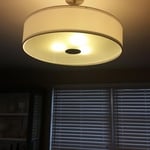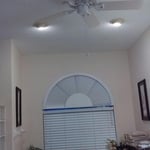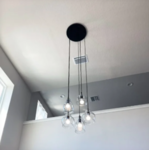






"Jerry was wonderful. He installed 2 fans in my home. He worked quickly, kept everything extremely clean and was a pleasure to have in my home. Thank you so much Jerry."
"Henry is excellent. Great customer service He is extremely knowledgeable and he has done a couple of key projects around my house in Tampa Palms including replacing all nine smoke/CO detectors and rewired my outside electrical outlets (and sealed them from water) and installed several surge protectors as well (three/four total) pool/pool heater/HVAC/house"
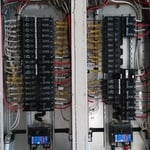
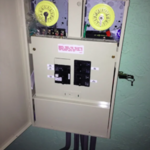
"I had them install an outside outlet for a new generator, they also rewired, added breakers, and a interlock. They did a professional job and even cleaned up after themselves. I would hire again!"
"The owner has great work ethics. We appreciated that the team was proficient and also took the time to explain the work that was being done throughly."
"This was my best experience with an electrical service while living at On Top Of The World. The response time was outstanding, the quote process was simple and free, and their rates were very reasonable. The technicians were knowledgeable, professional, resourceful, efficient, respectful, and tidy. While on site installing 2 ceiling fans and junction box, they even found a way to save me money compared to the original quote and to avoid drywall patching and wire molding. I’ll definitely rely on them for all my future electrical needs."
"Fantastic crew that installed a brand new generator on our property. They handled the permitting, laid out a clear plan of execution and delivered on every level. Tampa Backup Generators is the best option in Tampa, hands down."
While the rating will tell you how many watts the refrigerator needs at the peak of its cycle, it requires additional wattage to start. At the bare minimum, you’ll need a 1,500-watt generator to get the fridge up and running after a blackout. A 2,000-watt generator should be sufficient for most home refrigerators.
If you’re wondering if you can use your electric vehicle as a backup battery, it depends on whether your EV is compatible with bidirectional charging. This technology allows energy to flow both ways, enabling vehicle-to-home (V2H) backup power, vehicle-to-load (V2L) for appliances and camping, and vehicle-to-grid (V2G) to support the power grid. Compatible EVs convert stored DC energy into usable AC power, helping reduce energy costs and enhance grid stability while providing emergency backup power.
In many cases, yes. There are models called dual-fuel generators and fuel switches, but only between certain types of fuel. For example, with the right setup you can convert a generator from natural gas to propane. Some allow switching between diesel and gasoline. There are even tri-fuel generators available in some cases, which adds a large layer of security if you are worried about fuel availability in times of crisis. Always check your generator capabilities and manual instructions before trying to switch fuels. Some generators can use another fuel but may need a fuel conversion kit to prep them first.
Natural gas and electricity rates vary significantly based on location, and pricing can change over time, too. It’s possible that in locations where natural gas is particularly inexpensive, it will cost less than grid-based electricity will. However, you should also factor in the generator’s initial costs and maintenance needs, as well as its noise level and if it can comfortably power all your home appliances.
Yes, in most municipalities, you will need a permit to install a permanent home generator, including emergency backup, partial-home, and whole-home models. Because these installations involve significant alterations to your home's electrical system and produce exhaust fumes, local governments often require a permit or inspection for safety purposes. A generator permit typically costs between $50 and $250, depending on your location. Your electrician or certified installer can usually handle the permitting process for you, but you will be responsible for the cost. It's a good practice to confirm with your installer that they will pull all necessary permits before work begins.
The Odessa, FL homeowners’ guide to generator installs
From average costs to expert advice, get all the answers you need to get your job done.
The cost to install a whole-house generator in Tampa, FL varies based on factors like generator size, fuel type, and installation complexity. Learn the typical price range and what influences your total cost.
Generators should give you peace of mind, but you’ll only get that if your installer knows what they’re doing. Learn how to hire a pro and what red flags to look for.
Thinking about a generator installation? Learn about backup power options, costs to expect, and how to hire the right local pro to keep your home running.