





Top-rated radon detection and reduction specialists.

Get matched with top radon detection and reduction specialists in Fort Mccoy, FL

Enter your zip and get matched with up to 5 pros

Need a pro for your radon detection and reduction project in Fort Mccoy, FL?

Select your specific project to find the pro for you.

Find Radon detection and reduction specialists in Fort Mccoy

Avatar for Rebuilders
Rebuilders
4.5(
2
)
Radon Gas - Testing

Serving Fort Mccoy, FL and surrounding areas

In business since 1993

Emergency services offered

Credit card accepted

Rebuilders specializes in emergency commercial restoration across the Mid-Atlantic servicing West Virginia, Pennsylvania, Ohio, and Maryland, ensuring minimal downtime so you can get back to business as quickly as possible.

Mountaineer Field-house
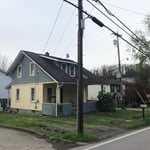
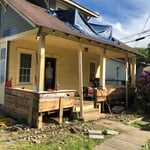
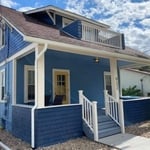
After restoration of this charming bungalow!
Mountaineer Field-house

+13

Recommended by100%of homeowners

Radon Detection and Reduction questions, answered by experts

There are steps you can take as a homeowner to remediate radon yourself. While a radon reduction professional can make the biggest impact in your home, you can make efforts to improve radon levels on your own by sealing cracks, increasing ventilation, and testing for radon regularly.

You'll need to test your home for radon after installing the mitigation system, then again every two years. If radon remains elevated, contact a licensed radon professional, either the contractor who installed the system or a different one, and have them evaluate the system. They may need to make some changes to improve its effectiveness and performance.

No level of radon is technically safe, but since it is present everywhere, complete avoidance is impossible. The average radon level in homes across the United States is 1.3 picocuries per liter (pCi/L). The Environmental Protection Agency (EPA) recommends taking preventative measures if your home's radon levels are between 2 and 4 pCi/L or higher.

The natural breakdown of uranium in soil, rock, and water can cause radon to appear in a home. The gas seeps into homes through cracks in foundations, walls, or floors, as well as through gaps around pipes or construction joints. Radon levels are influenced by soil composition, building materials, and ventilation. Poorly sealed or airtight homes can trap radon, allowing it to accumulate.

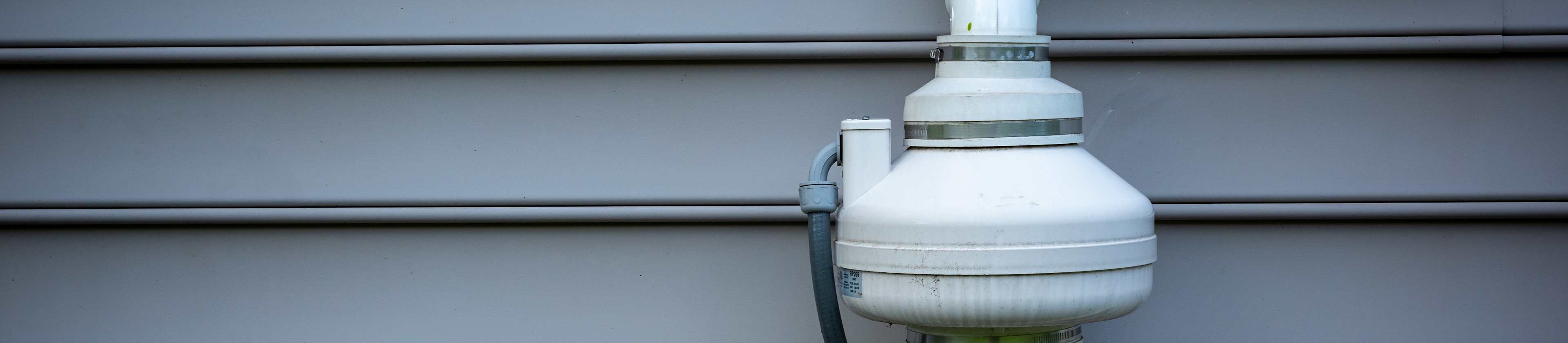
The fan that pulls the radon out of the air needs to run continuously, so you may see an increase in your electric bill once you install the mitigation system. Additionally, you may see an increase in your heating or cooling bills, as the fan can cause some loss of hot or cool air.

The Fort Mccoy, FL homeowners’ guide to radon detection and reduction services

From average costs to expert advice, get all the answers you need to get your job done.