



Top-rated lead testing and removal specialists.

Get matched with top lead testing and removal specialists in Crescent City, FL

Enter your zip and get matched with up to 5 pros

Need a pro for your lead testing and removal project in Crescent City, FL?

Select your specific project to find the pro for you.

Find Lead testing and removal specialists in Crescent City

Bill Wilson Inspections Facebook
New to Angi
Toxic Lead - Testing

Serving Crescent City, FL and surrounding areas

In business since 1977

Free estimates

Credit card accepted

The EPA Renovation, Repair, and Painting Final Rule (RRP Rule) requires that on a home built before 1978, if you disturb more than 20 sq ft of exterior paint or more than 6 sq ft in any interior room the disturbed painted surfaces must be checked for lead based paint. This law affects remodelers, painters, plumbers, roofers, window replacers, kitchen cabinet replacers, or any trade that disturbs paint while working.\n\nAt Lead Paint Solutions, LLC, we use a state of the art, nondestructive XRF analyzer to not only identify lead paint, but also measure the volume of lead in the paint. EPA defines lead paint as paint that has 5% lead by weight or 1 milligram per square centimeter. Knowing the exact amount of lead in your paint and comparing it to the EPA allowable amount, rather than simply saying �it has lead in it� will oftentimes determine that there is not enough lead in the paint to trigger expensive lead safe construction practices. Contact Lead Paint Solutions, LLC, today!

Lead Testing and Removal questions, answered by experts

Results from professional lead testing are typically available within a few days to a week (2-7 days), depending on factors like laboratory processing times and the volume of samples being analyzed. Expedited services may also be available for urgent situations.

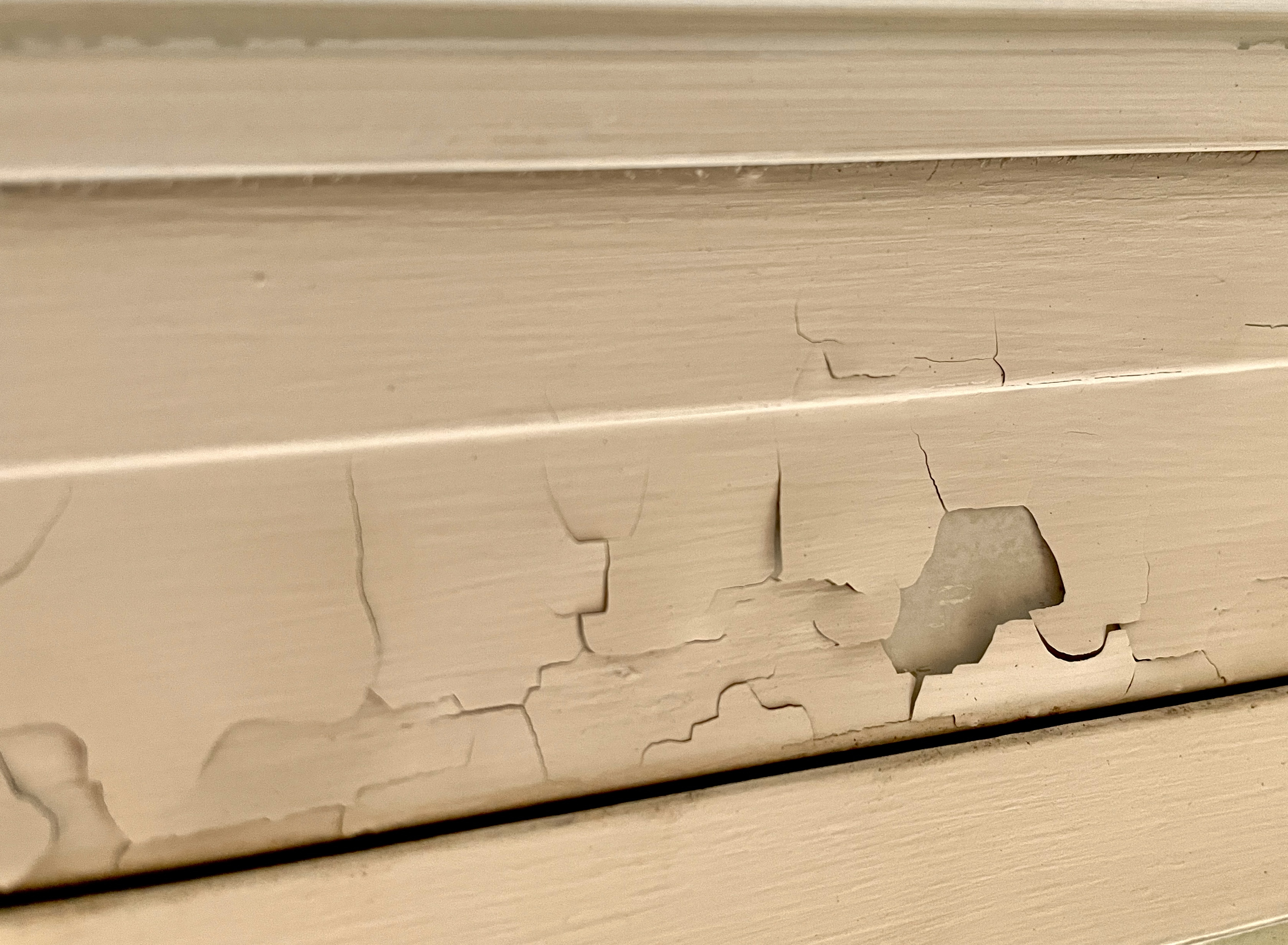
You can paint over lead paint, or “encapsulate” it with a special paint that includes an ingredient called an encapsulant. The EPA approves encapsulation as a lead paint removal method as long as the paint remains undisturbed. Standard types of paint without an “encapsulant” from the big box stores or hardware stores do not meet EPA standards for remediation of lead-based paint.

According to the Environmental Protection Agency (EPA), hazardous waste is generally classified into four main categories:

1. Characteristic Wastes: These exhibit at least one of four hazardous traits: ignitability (flammable, like gasoline), corrosivity (can rust or decompose materials, like car batteries), reactivity (unstable and can explode, like aerosol cans), or toxicity (harmful when ingested, like lead-based paint).

2. Listed Wastes: These are specific wastes from manufacturing and industrial processes that the EPA has officially designated as hazardous. They include byproducts from processes that use solvents, pesticides, and other chemicals.

3. Universal Wastes: These are commonly generated hazardous items that are subject to streamlined regulations. Examples include batteries, pesticides, mercury-containing equipment (e.g., bulbs), and some lamps.

4. Mixed Wastes: This category includes waste that contains both hazardous and radioactive components, making it subject to regulation by both the EPA and the Nuclear Regulatory Commission.

How you test for lead in your water depends on the source of your home's water supply. If you have municipal water, your local water system may offer to test the water for free or may connect you to a lab that will perform the testing.

If you have a private well that provides drinking water, you are responsible for testing it for lead. Look for a lab that is accredited by your state's Department of Environmental Protection to perform the test.

Costs depend on the number of samples, testing method, lab fees, and whether on-site inspections are required.

The Crescent City, FL homeowners’ guide to lead testing and removal services

From average costs to expert advice, get all the answers you need to get your job done.