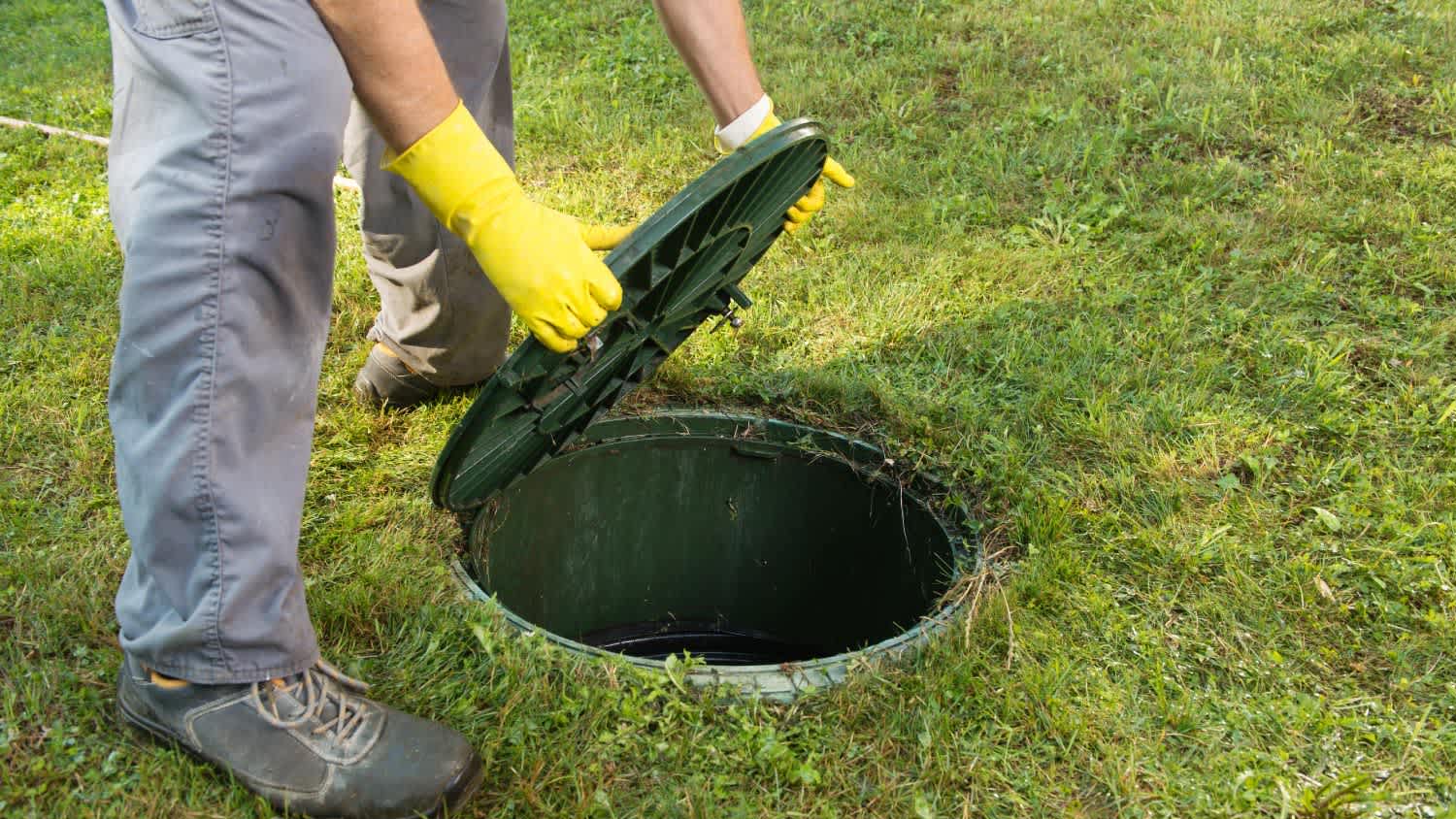








Top-rated percolation testing pros.

Get matched with top percolation testing pros in Brooker, FL

Enter your zip and get matched with up to 5 pros

Need a pro for your percolation testing project in Brooker, FL?

Select your specific project to find the pro for you.

TRUSTED BY BROOKER, FL HOMEOWNERS

  • Average homeowner rating star icon4.1
    Average homeowner rating
  • Verified reviews icon52
    Verified percolation testing services reviews

Find Percolation testing pros in Brooker

No results for Percolation testing pro in

Try adjusting your search criteria.
Percolation Tests questions, answered by experts

Federal law doesn’t require homeowners to disclose the presence of asbestos in their home, but some states and local municipalities may require it. That is why it’s important to test an older home for asbestos and other health hazards before moving forward with a sale.

According to the National Cancer Institute, asbestos-related diseases can take anywhere from 10 to 40 years for symptoms to appear. The health risks increase with prolonged and heavier exposure. Risk factors also include:

  • Amount of exposure

  • Chemical makeup, size, and shape of the asbestos fibers

  • Length of time a person is exposed to asbestos

  • Genetic factors 

  • Source of exposure (direct exposure or secondhand exposure from someone directly exposed)

Because of the danger of inhaling asbestos fibers, figuring out through testing whether your popcorn ceiling contains asbestos is definitely worth it. If the popcorn ceiling texture has asbestos, remove it as soon as possible to keep your family safe. Any home built in or before the 1980s that has popcorn ceilings could have asbestos, necessitating testing. Asbestos carries several health risks for people who inhale it, including the increased chance of developing lung cancer in the future.

In the 1980s, the use of asbestos in house siding materials underwent a significant decline, ultimately being phased out by the mid-1980s to early 1990s. This change was largely due to a growing awareness of the severe health risks associated with asbestos exposure, particularly its link to lung diseases and cancers. With increased public concern and regulatory agency involvement, building codes and regulations were updated to restrict the use of asbestos in construction materials. 

Asbestos siding can be dangerous, but it doesn't necessarily pose a health risk if it's in good condition and left undisturbed. The danger comes from inhaling asbestos fibers, which can be released if the siding is damaged, deteriorating, crumbling, or disturbed during remodeling or repairs. Exposure to these airborne fibers can cause serious, life-threatening diseases like asbestosis (lung scarring), mesothelioma (an aggressive cancer), and other lung cancers.

If your asbestos siding is intact, the general recommendation is to leave it alone. However, if it's damaged or you plan to renovate, it's crucial to handle it safely. Due to the significant health risks and the difficulty of containing the fibers, it is not recommended to perform any asbestos work yourself. Instead, you should hire a professional asbestos removal company to inspect, repair, encapsulate, or remove the material. The presence of asbestos can also negatively impact your property's value.

The Brooker, FL homeowners’ guide to percolation testing services

From average costs to expert advice, get all the answers you need to get your job done.