




Top-rated lead testing and removal specialists.

Get matched with top lead testing and removal specialists in Brooker, FL

Enter your zip and get matched with up to 5 pros

Need a pro for your lead testing and removal project in Brooker, FL?

Select your specific project to find the pro for you.

Find Lead testing and removal specialists in Brooker

Avatar for F.H.I. Florida Home Inspections
F.H.I. Florida Home Inspections
4.7(
478
)

Serving Brooker, FL and surrounding areas

In business since 2003

Emergency services offered

Credit card accepted

"I believe there were two problems , one of which was self inflicted and the other an oversight. They promised the report to me by Monday night or Tuesday. I got the report at the end of the following week. I think they over promised based upon the complexity of the inspection and the condition of the house. The oversight indicated that the water was turned off and therefore he couldn't test the toilets etc. The fact was he turned the water on and discovered that there was a broken supply line underground that leaked out of the ground next to the driveway. He turned the water off at that point."
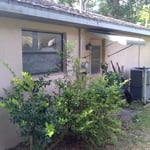
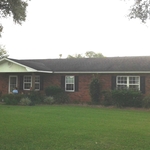
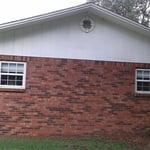
Front Elevation
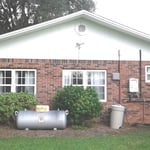
Right Side Elevation
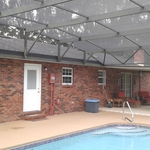
Rear Elevation
Left Side Elevation
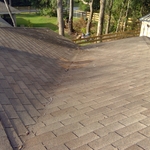
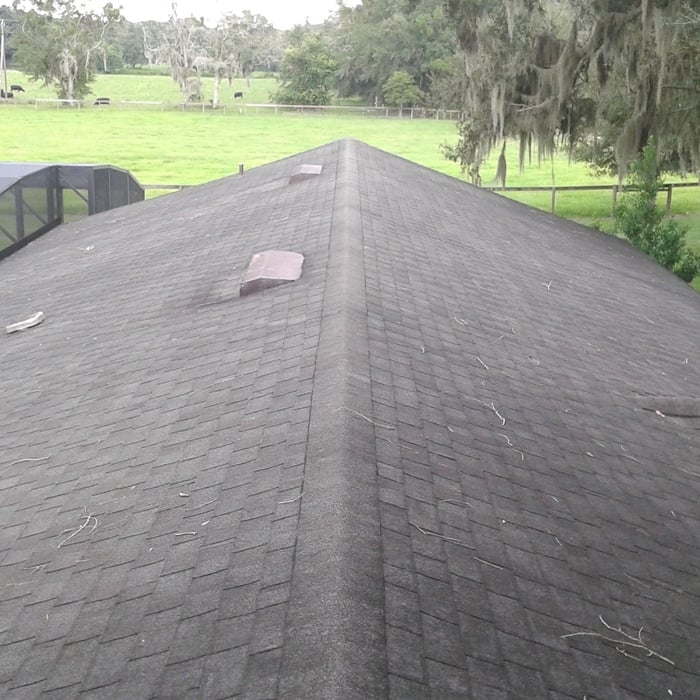
Roof Planes

+13

Response time3 hrs
Response rate93%
Recommended by97%of homeowners
Lead Testing and Removal questions, answered by experts

According to the Environmental Protection Agency (EPA), hazardous waste is generally classified into four main categories:

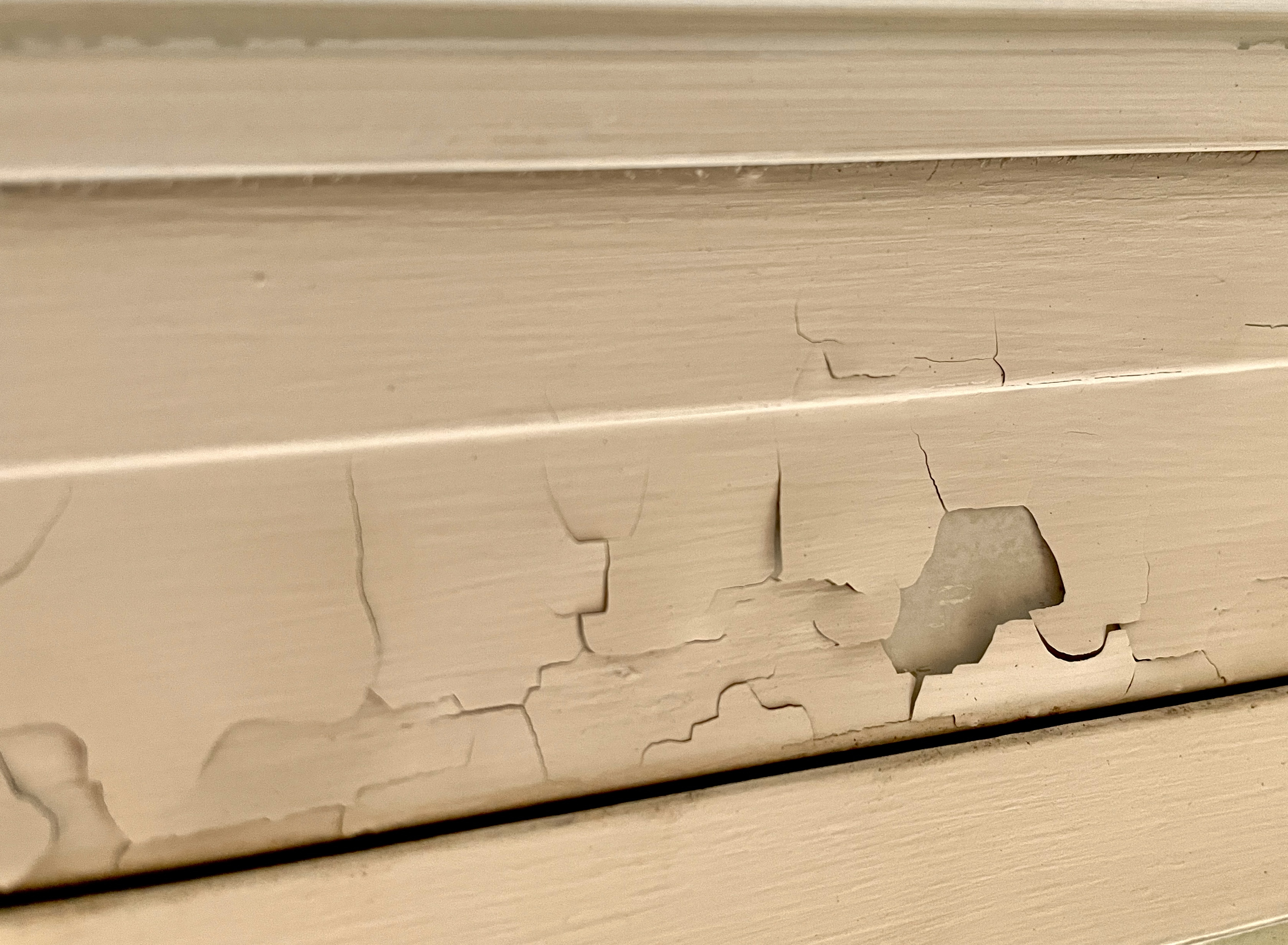
1. Characteristic Wastes: These exhibit at least one of four hazardous traits: ignitability (flammable, like gasoline), corrosivity (can rust or decompose materials, like car batteries), reactivity (unstable and can explode, like aerosol cans), or toxicity (harmful when ingested, like lead-based paint).

2. Listed Wastes: These are specific wastes from manufacturing and industrial processes that the EPA has officially designated as hazardous. They include byproducts from processes that use solvents, pesticides, and other chemicals.

3. Universal Wastes: These are commonly generated hazardous items that are subject to streamlined regulations. Examples include batteries, pesticides, mercury-containing equipment (e.g., bulbs), and some lamps.

4. Mixed Wastes: This category includes waste that contains both hazardous and radioactive components, making it subject to regulation by both the EPA and the Nuclear Regulatory Commission.

Through air sampling devices and surface swabs in key areas of concern.

Some causes of brown well water—like excess tannins or dissolved iron—don’t pose a health risk. In other cases, harmful bacteria might be the culprit. If your well water has suddenly turned brown, it’s a good idea to use a home water test kit to get a better sense of what’s going on with your water. Consider calling a professional for an expert opinion before drinking the water and hoping for the best.

If lead is detected in a property, steps should include arranging for professional removal or containment, notifying all occupants, and implementing interim safety measures to reduce exposure.

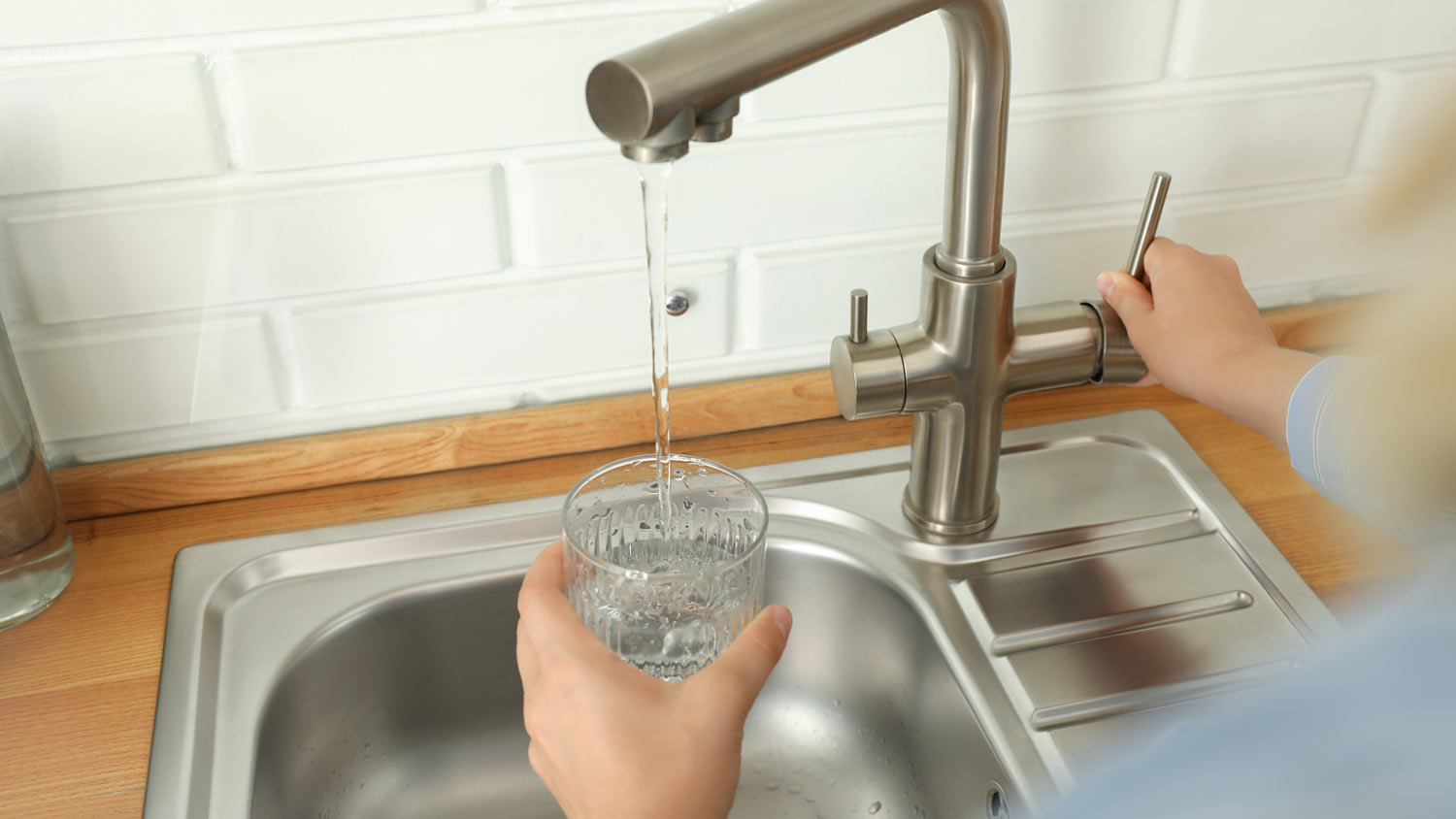
How you test for lead in your water depends on the source of your home's water supply. If you have municipal water, your local water system may offer to test the water for free or may connect you to a lab that will perform the testing.

If you have a private well that provides drinking water, you are responsible for testing it for lead. Look for a lab that is accredited by your state's Department of Environmental Protection to perform the test.

The Brooker, FL homeowners’ guide to lead testing and removal services

From average costs to expert advice, get all the answers you need to get your job done.