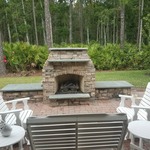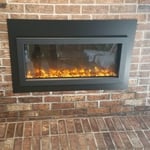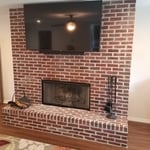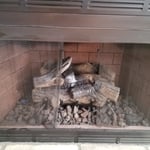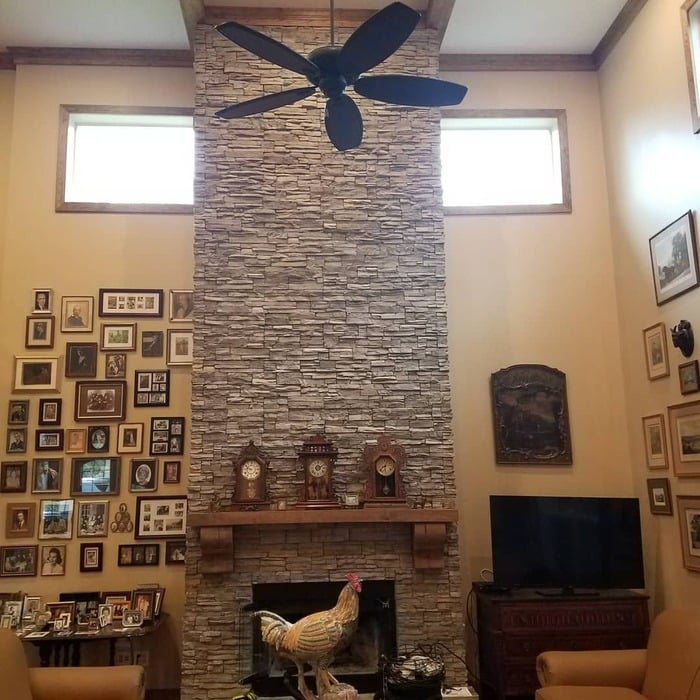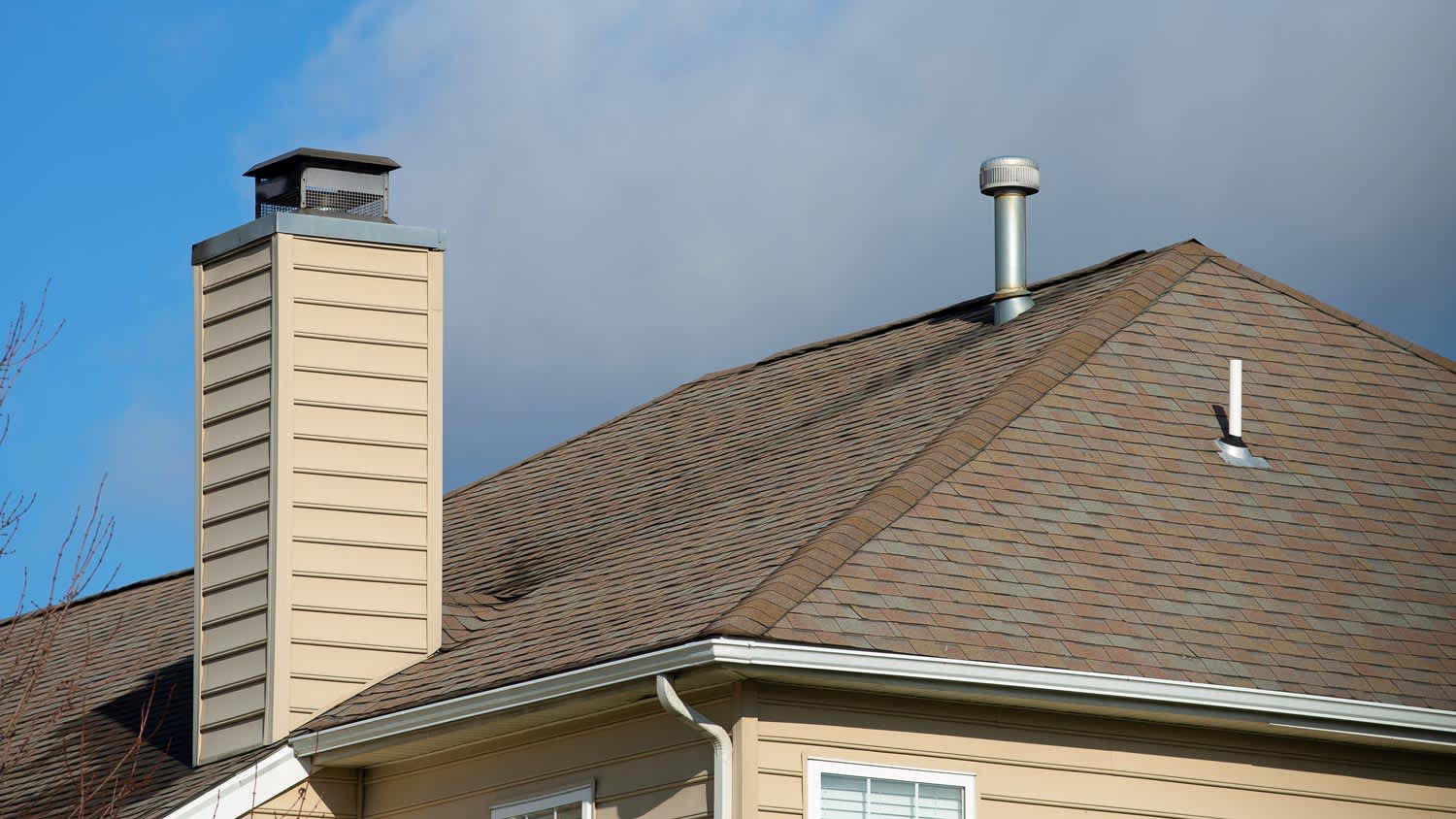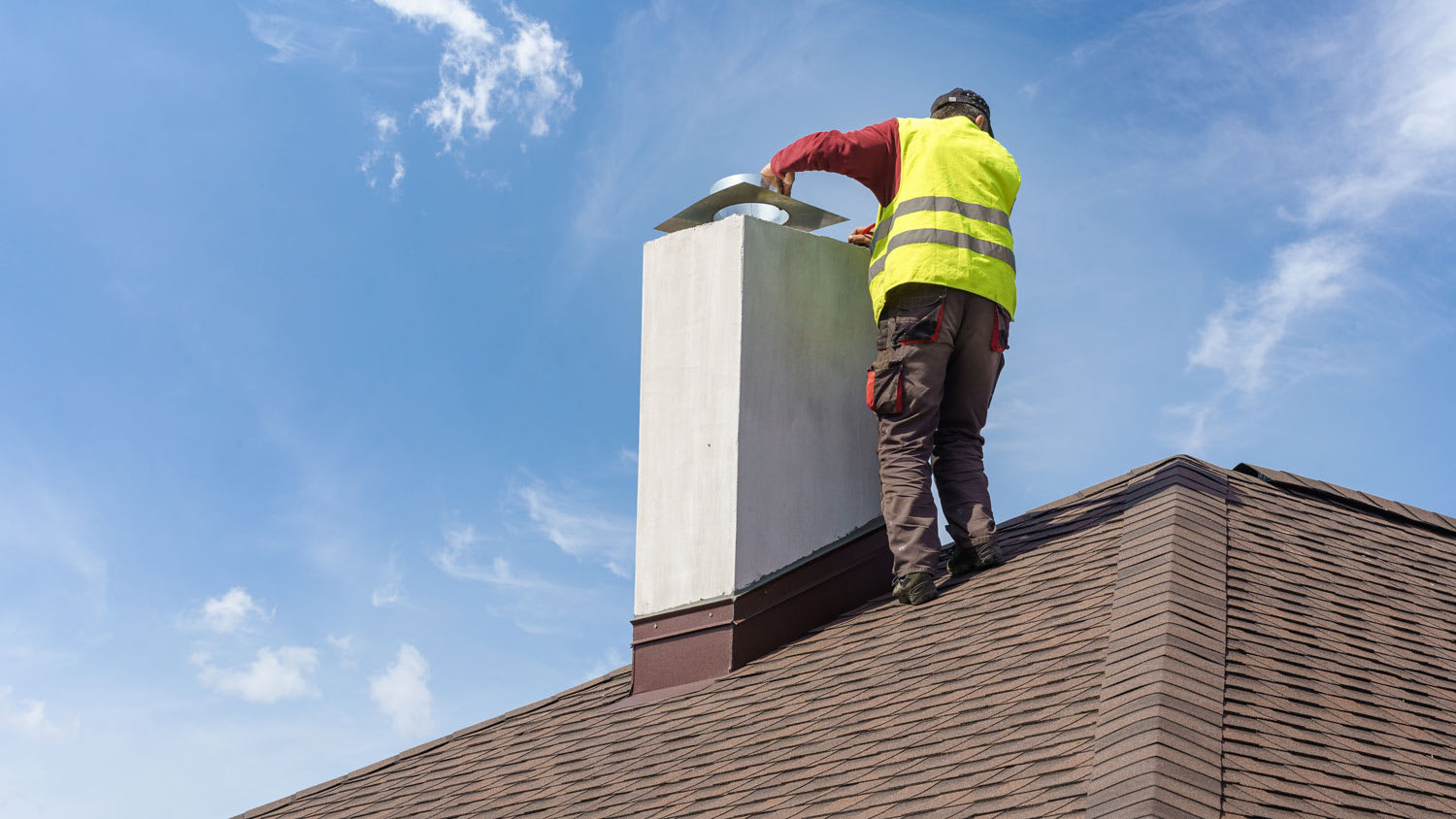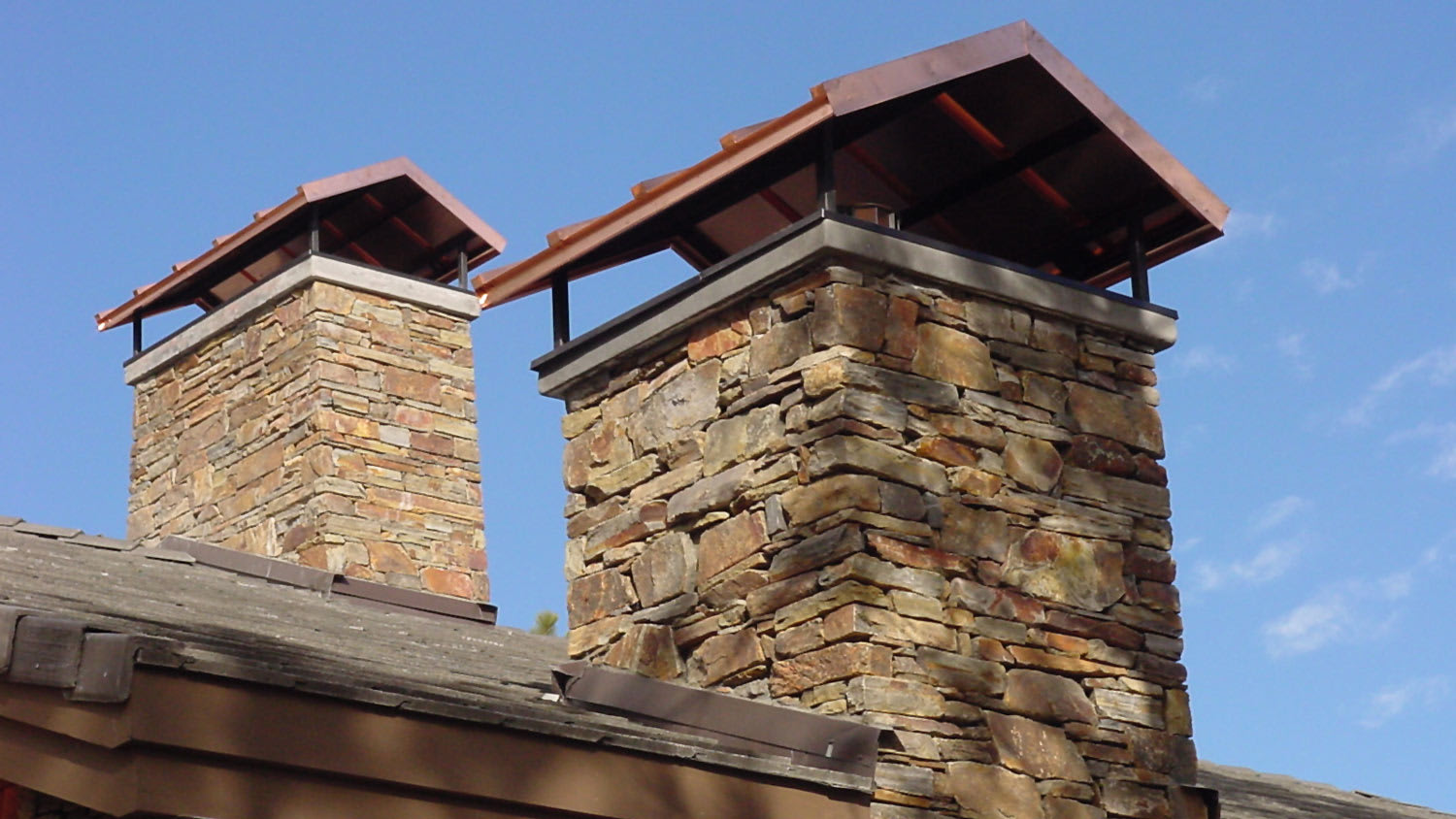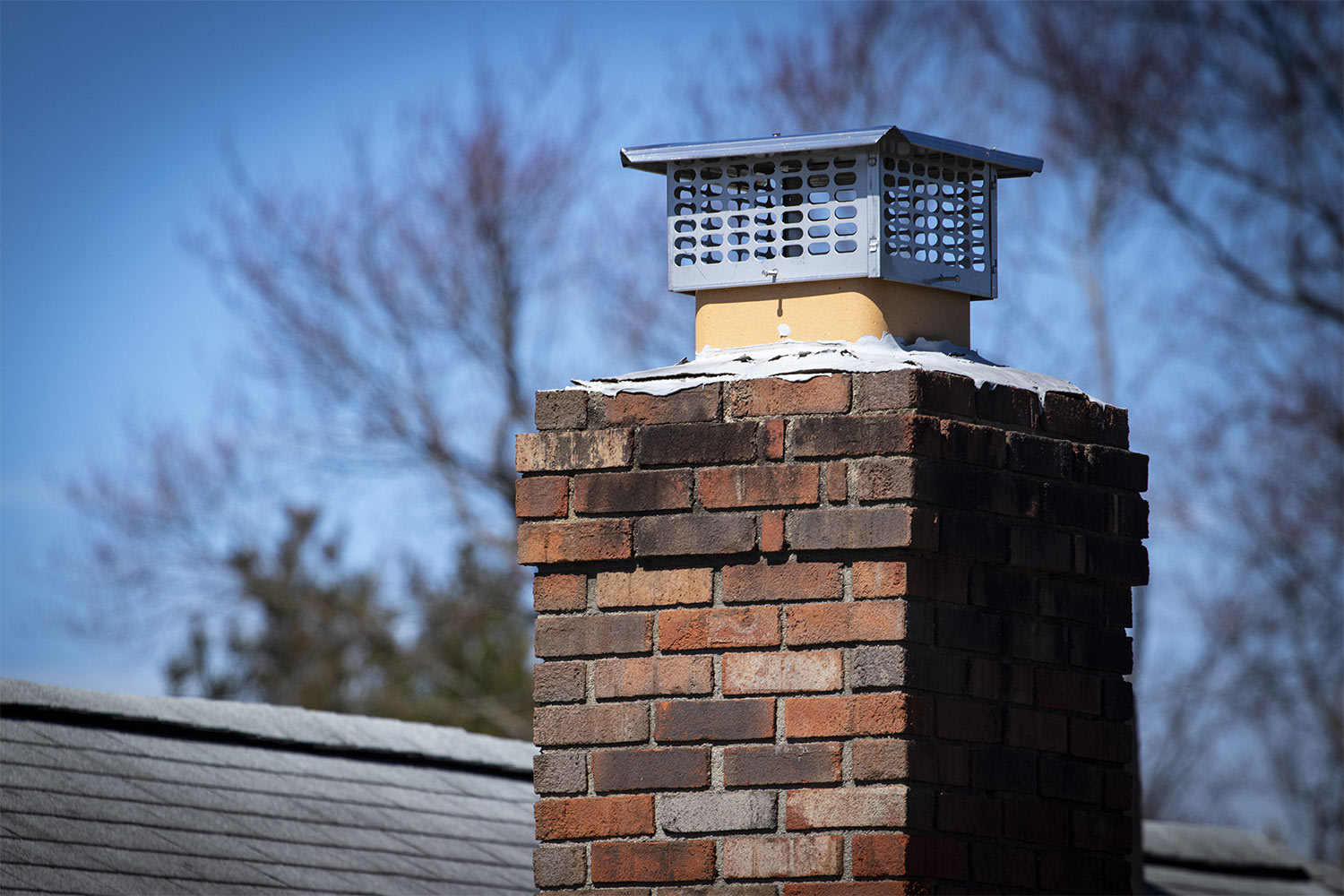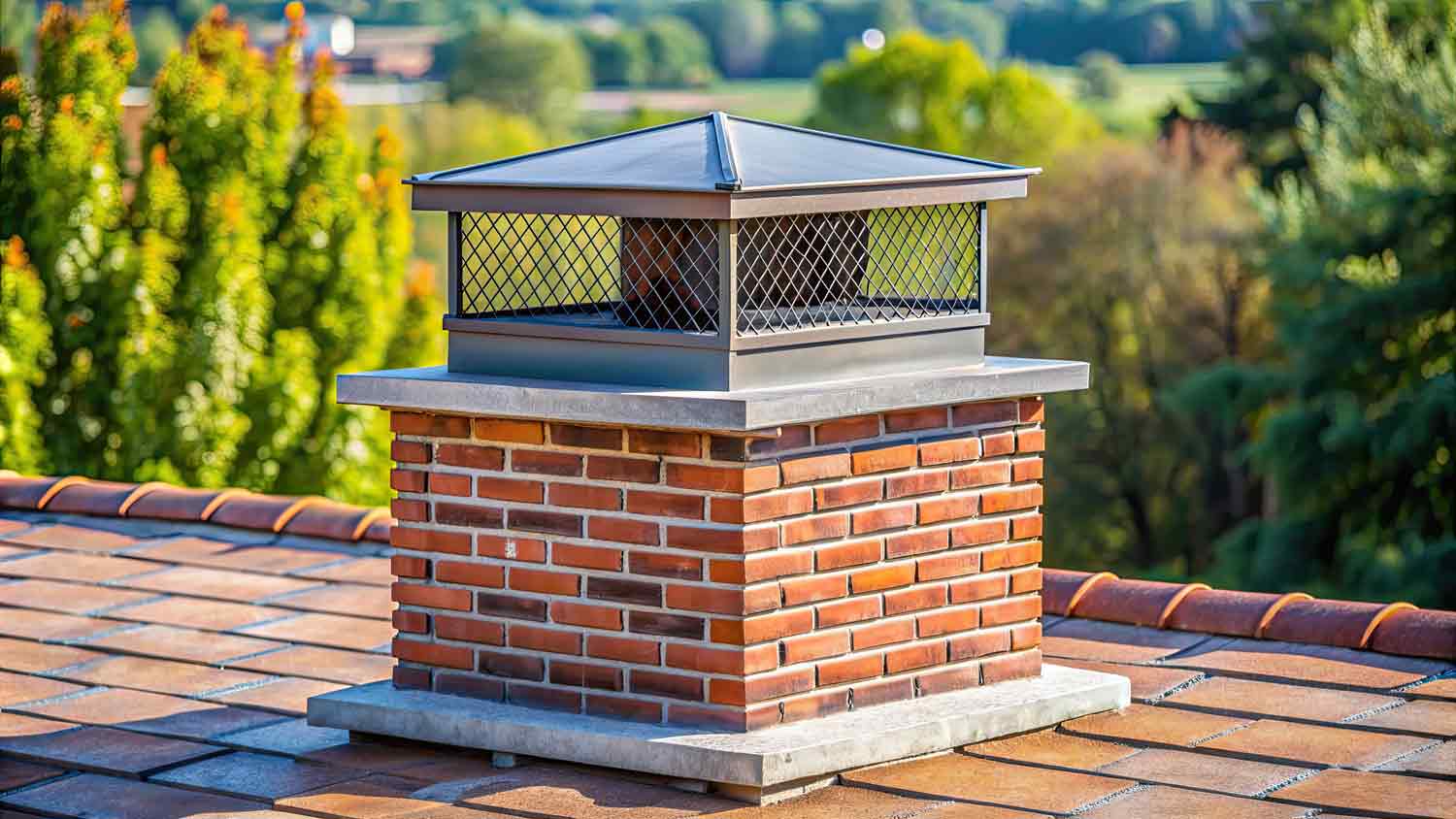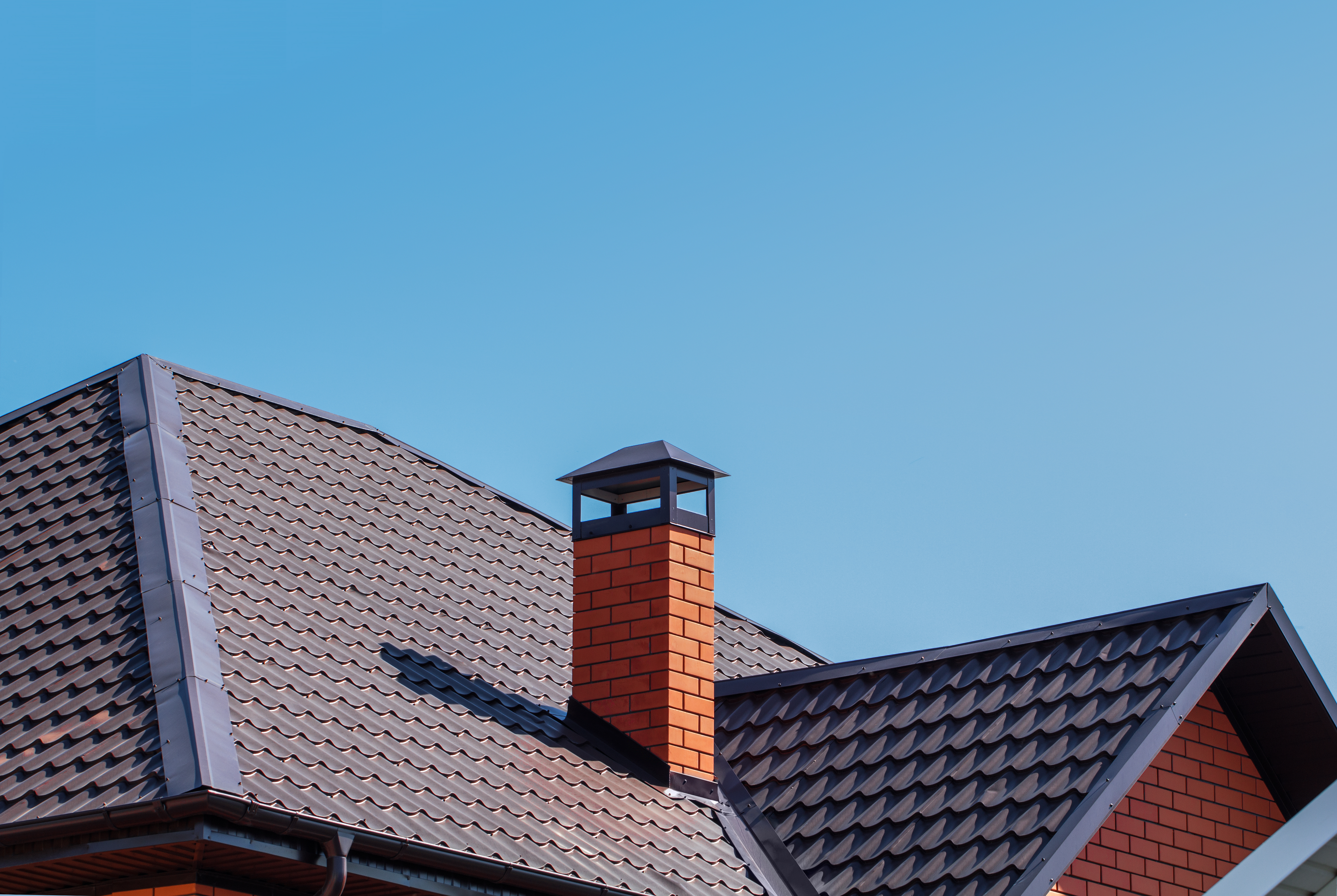




"Came out to get rid of a squirrel. He did apparently remove a squirrel, but not the one we called about because it was stuck too far down. We were told our chimney was too rusted to use, and a temporary cap was placed on the chimney. According to a second opinion our chimney is in working order, and we had the cap replaced with a working one. I'm not sure what that was about but I do really appreciate the promptness with which Chimney keeper was willing to come out and handle our squirrel problem. Not exactly worth $300 though."
"It went great, and we hired them to perform additional maintenance for our chimney as well as others in our building. Everyone was very pleased with the service, warranty, and price. "
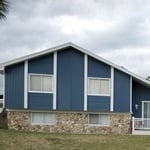
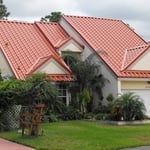
"Everything went great! The project took about 2 weeks. The old tar/gravel roof was removed and a new metal roof was installed on 3/4 of the house. The other 1/4 required TPO since it was a completely flat area. A lot of the old wood had to be replaced due to the age and termite activity. Flashing up around the chimney is holding up great and a part of my old rainwater collection gutter system was even reinstalled on the new roof. The fascia and soffit looks great too. We've been through 5-6 rain storms already and there has been no leaks. The wood around the garage was replaced and then the whole thing was wrapped in vinyl for a clean look. Two end features on the peak of the house were wrapped as well and it made the house look very clean and neat. As for cleanup, for the most part all went well. As can be expected, a few old roofing nails were found, but not that many. A few short pieces of metal roofing and a few leftover panels were left behind as well as a bag of screws. (We made a shed with them) Overall we were very satisfied. Other roofing companies we called were quoting us $18-20K without the addition of the extra wood and the cost of the fascia/soffit or the garage repair."
No, range hoods do not necessarily have to be vented outside. Ductless or non-vented range hoods are available, which are common in condos or small kitchens where connecting to external ductwork isn't feasible. These hoods operate by taking in air, filtering it through charcoal filters to help eliminate smoke and odors, and then recirculating the cleaned air back into the kitchen. However, while these recirculating hoods are more versatile, venting to the outside is still the preferred and more effective method for completely removing smoke, odors, and gases from the room.
Most residential range hoods have a CFM between 200 and 600. A higher CFM means your range hood is better at removing smoke and odors from your kitchen. The measurement ultimately depends on your stove’s width and heat output as well as the size of your kitchen.
Compared to the average size of a stove and kitchen, 350 CFM would be the minimum recommended rating for the average kitchen. However, selecting a higher CFM range hood would guarantee better ventilation to match your cooking habits, whether they’re minimal or extensive.
Regular cleaning of filters and checking ducting ensures effective operation.
Yes, with features like LED lighting and variable speed controls for efficiency.
Smooth galvanized metal ducting is best and safest for venting a hood range. It’s best to avoid flexible and corrugated types of ducting, as these options don’t provide ample airflow and may not meet local code. For specific advice on which type of duct might be best for your kitchen, reach out to a range hood installation professional.
The Brooker, FL homeowners’ guide to chimney cap services
From average costs to expert advice, get all the answers you need to get your job done.
Sealing your chimney is one of the most affordable ways to prevent water from penetrating the bricks. This guide breaks down the cost to seal a chimney.