
Top-rated radon detection and reduction specialists.

Get matched with top radon detection and reduction specialists in Greenwood, DE

Enter your zip and get matched with up to 5 pros

Need a pro for your radon detection and reduction project in Greenwood, DE?

Select your specific project to find the pro for you.

Find Radon detection and reduction specialists in Greenwood

Avatar for In and Out Home Inspections, LLC
In and Out Home Inspections, LLC
4.8(
90
)
Radon Gas - Testing

Serving Greenwood, DE and surrounding areas

Approved

In business since 2016

Free estimates

Warranties offered

"Bill explained the whole process of the inspections, answered all my questions and was very through. I would definitely recommend him and his company!"
Response time7 hrs
44 neighbors recently requested a quote
Recommended by94%of homeowners
Avatar for SWAT Environmental, Inc.
SWAT Environmental, Inc.
4.4(
24
)
Radon Gas - Abatement

Serving Greenwood, DE and surrounding areas

In business since 2002

Free estimates

"The Technician Tom was very educated and took time to answer my questions to which I all ready new the answers to. This was my test to his knowledge before we got started on the job. H was very good explaining the operation of the system to us, which helped my wife hear it from a different person other then myself. Workmanship is very neat and clean and a very professional job. I hail form a service background of 35 years and can say Tom was an excellent customer service person."
Recommended by91%of homeowners
Radon Detection and Reduction questions, answered by experts

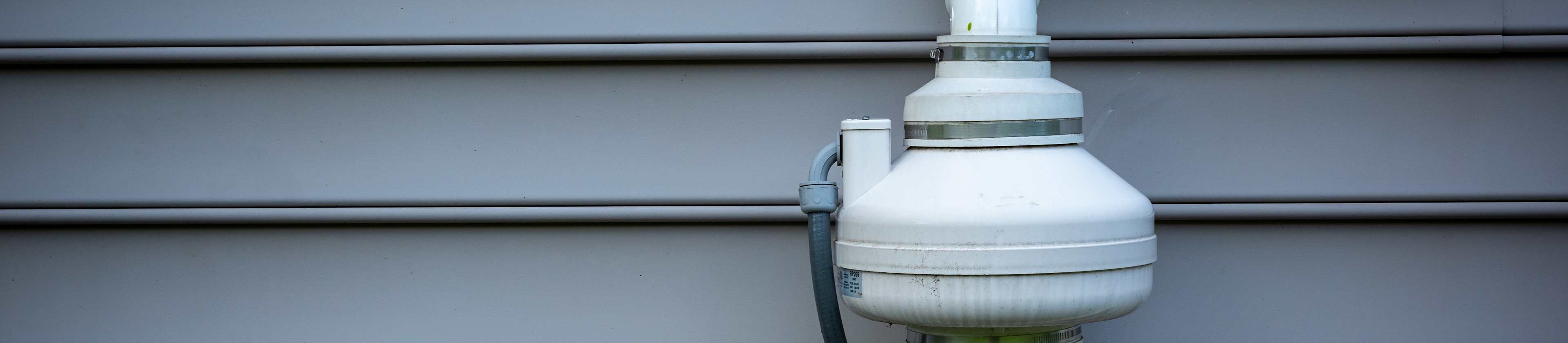
Your radon mitigation system may be loud because it’s time to replace it. Any sounds are usually from the inline fan that helps create the vacuum and resulting airflow. If you hear a new, loud mechanical or humming noise from your radon fan, it might be time to replace it. Most fans used in radon mitigation systems last up to 10 years, but may need to be replaced sooner.

The natural breakdown of uranium in soil, rock, and water can cause radon to appear in a home. The gas seeps into homes through cracks in foundations, walls, or floors, as well as through gaps around pipes or construction joints. Radon levels are influenced by soil composition, building materials, and ventilation. Poorly sealed or airtight homes can trap radon, allowing it to accumulate.

The fan that pulls the radon out of the air needs to run continuously, so you may see an increase in your electric bill once you install the mitigation system. Additionally, you may see an increase in your heating or cooling bills, as the fan can cause some loss of hot or cool air.

The soil beneath your house is most likely what’s causing an increased level of radon. This is because soil holds radioactivity for a long time and it’s also what most buildings are built on. Another common source of radon is water from a source that hasn’t been through periodic radon tests, such as well water. Over time, the radon from the soil can inhabit other parts of your house like the foundation or plumbing.

No, air purifiers are not an effective way to reduce or remove radon. Radon is a radioactive, inert gas that cannot be filtered by standard air purifiers, which are designed to capture particulates like dust and mold. While an air purifier can improve indoor air quality by removing other pollutants, it should not be relied upon for radon. The only effective solution for high radon levels is a dedicated radon mitigation system.

The Greenwood, DE homeowners’ guide to radon detection and reduction services

From average costs to expert advice, get all the answers you need to get your job done.