Top-rated lead testing and removal specialists.

Best lead testing and removal specialists near Fenwick Island, DE

Enter your zip and get matched with up to 5 pros

Need a pro for your lead testing and removal project in Fenwick Island, DE?

Select your specific project to find the pro for you.

TRUSTED BY FENWICK ISLAND, DE HOMEOWNERS

  • Average homeowner rating star icon5
    Average homeowner rating
  • Verified reviews icon10
    Verified lead testing and removal services reviews

Top-Rated Lead testing and removal specialists in Fenwick Island - Updated Nov 2026

Avatar for Mid Atlantic
Mid Atlantic
4.9(
18
)
Toxic Lead - Testing

Serving Fenwick Island, DE and surrounding areas

In business since 1985

Free estimates

Emergency services offered

"Inspector responded promptly to my service request. Came on time and was very descriptive while addressing our concerns. He even provided some information on seperate home items that were not part of the service we requested. Also, very respectful of our property. (He actually took his shoes off because we had new carpet.) WIll use again. Thank you!"
Crawl Space
Crawl Space
Crawl Space
Crawl Space
Recommended by100%of homeowners
Lead Testing and Removal FAQs, answered by experts

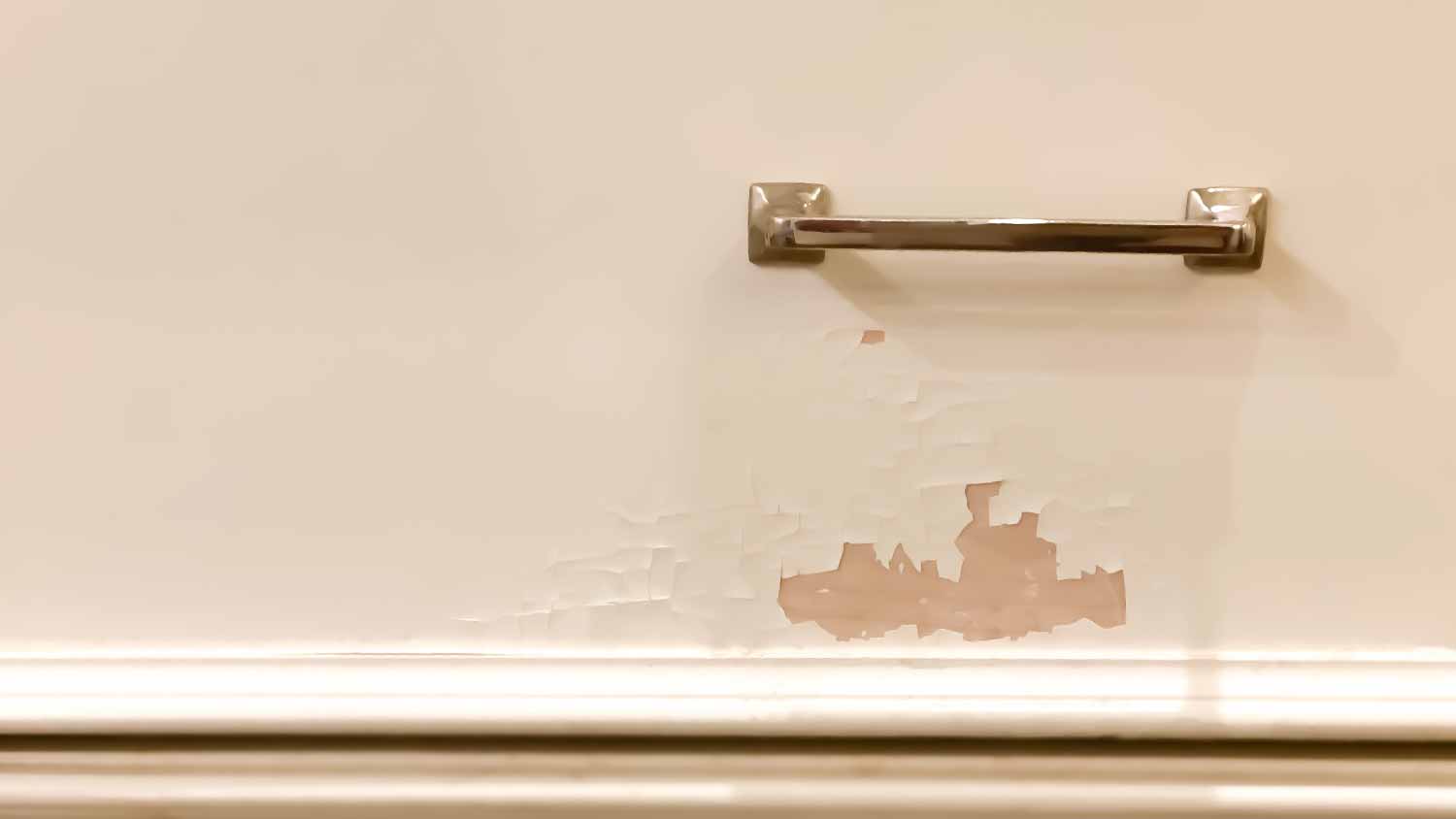
Lead removal is crucial in older homes to eliminate risks of lead poisoning, which can severely affect health, particularly in children, by impacting development and cognitive functions.

Professional testing for lead paint costs about $300, ranging from about $250 to $700, depending on the square footage, accessibility, and location. However, testing for lead paint with a DIY home-testing kit costs about $25, but doesn’t guarantee accurate results. The U.S. Environmental Protection Agency (EPA) recommends using a lead test kit that complies with the Lead Renovation, Repair, and Painting (RRP) Rule, which has strict criteria for ensuring a more accurate reading.

Common home surfaces to test for lead include:

  • Walls

  • Windows

  • Doors

  • Molding and trim

  • Railings

With regular testing, treatment, and maintenance, water from a community well should be safe to drink. Unfortunately, the EPA does not regulate private wells, and contamination can happen. 

If you have doubts about the quality and safety of your drinking water, you have options for testing. You can pick up kits from your local home supply store or harvest samples and send them to a local testing facility. To get the most complete water quality testing and system diagnosis, seek a local well professional. They know what to test for and can recommend and implement a longer-lasting solution.

According to the Environmental Protection Agency (EPA), hazardous waste is generally classified into four main categories:

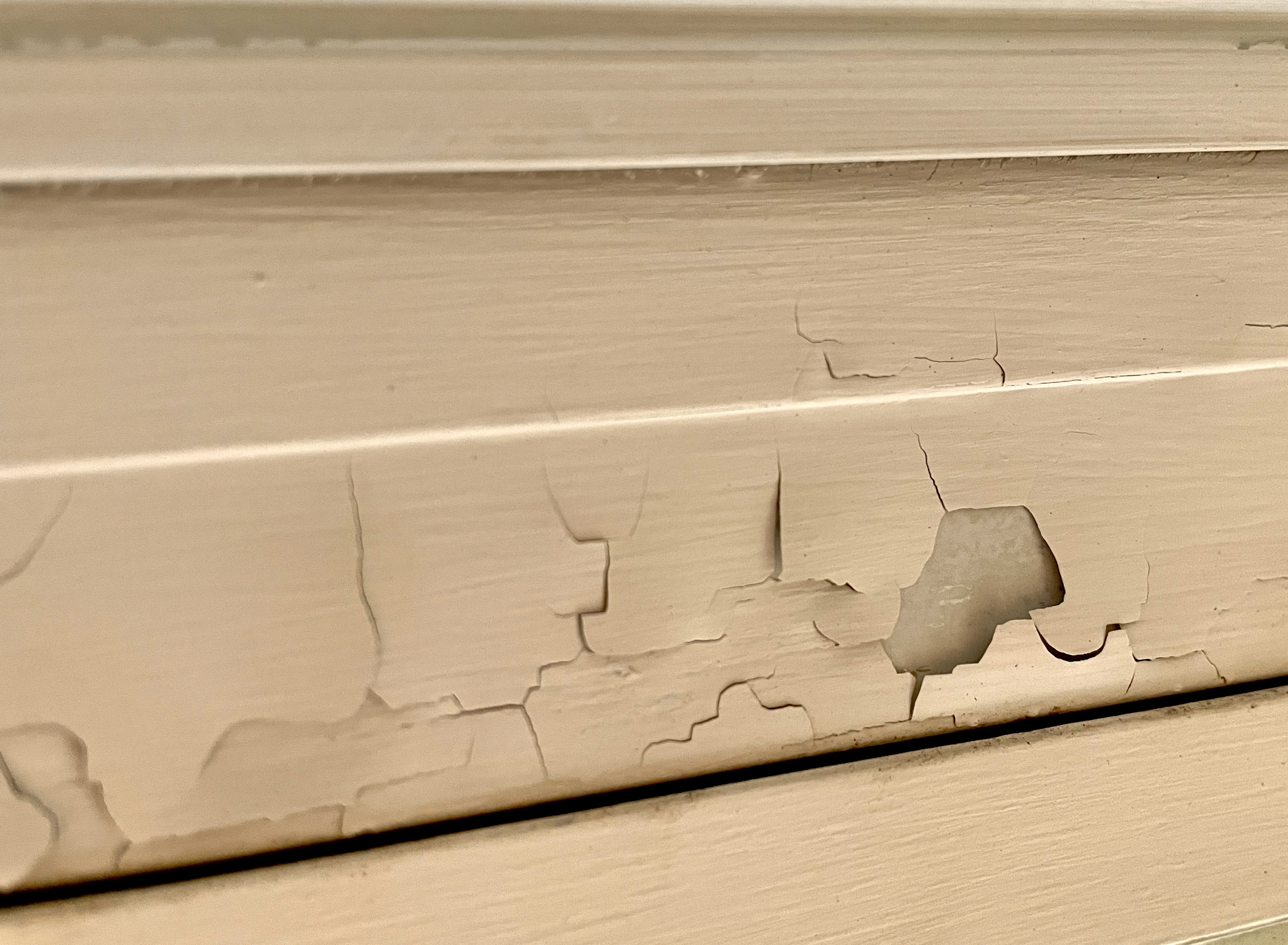
1. Characteristic Wastes: These exhibit at least one of four hazardous traits: ignitability (flammable, like gasoline), corrosivity (can rust or decompose materials, like car batteries), reactivity (unstable and can explode, like aerosol cans), or toxicity (harmful when ingested, like lead-based paint).

2. Listed Wastes: These are specific wastes from manufacturing and industrial processes that the EPA has officially designated as hazardous. They include byproducts from processes that use solvents, pesticides, and other chemicals.

3. Universal Wastes: These are commonly generated hazardous items that are subject to streamlined regulations. Examples include batteries, pesticides, mercury-containing equipment (e.g., bulbs), and some lamps.

4. Mixed Wastes: This category includes waste that contains both hazardous and radioactive components, making it subject to regulation by both the EPA and the Nuclear Regulatory Commission.
Structural problems with the foundation or roof, water damage, and significant plumbing or electrical issues are all considered major red flags in a home inspection. Of these, a structural problem related to the foundation is often the most severe. Foundation repairs are typically the most expensive and intrusive to carry out, averaging around $5,000 but sometimes reaching up to $16,000. Because these problems can pose safety risks and be costly to fix, you should ask your inspector detailed questions about any identified issues. You will need to carefully consider how major problems affect what you’re willing to pay for the home, or if you want to proceed with the sale at all.

The Fenwick Island, DE homeowners’ guide to lead testing and removal services

From average costs to expert advice, get all the answers you need to get your job done.