


Top-rated lead testing and removal specialists.

Get matched with top lead testing and removal specialists in Bethany Beach, DE

Enter your zip and get matched with up to 5 pros

Need a pro for your lead testing and removal project in Bethany Beach, DE?

Select your specific project to find the pro for you.

TRUSTED BY BETHANY BEACH, DE HOMEOWNERS

  • Average homeowner rating star icon5
    Average homeowner rating
  • Verified reviews icon10
    Verified lead testing and removal services reviews

Find Lead testing and removal specialists in Bethany Beach

Avatar for Mid Atlantic
Mid Atlantic
4.9(
18
)
Toxic Lead - Testing

Serving Bethany Beach, DE and surrounding areas

In business since 1985

Free estimates

Emergency services offered

"Inspector responded promptly to my service request. Came on time and was very descriptive while addressing our concerns. He even provided some information on seperate home items that were not part of the service we requested. Also, very respectful of our property. (He actually took his shoes off because we had new carpet.) WIll use again. Thank you!"
Crawl Space
Crawl Space
Crawl Space
Crawl Space
Recommended by100%of homeowners
Lead Testing and Removal questions, answered by experts

Some of the signs that could mean your water is contaminated, such as cloudiness or bubbliness, could also be non-problems that don’t affect your water’s potability. However, if your water smells or tastes strange, it’s a good idea to stop drinking it and test it immediately. If your well water is contaminated, the best way to discover that is to test it.

According to the Environmental Protection Agency (EPA), hazardous waste is generally classified into four main categories:

1. Characteristic Wastes: These exhibit at least one of four hazardous traits: ignitability (flammable, like gasoline), corrosivity (can rust or decompose materials, like car batteries), reactivity (unstable and can explode, like aerosol cans), or toxicity (harmful when ingested, like lead-based paint).

2. Listed Wastes: These are specific wastes from manufacturing and industrial processes that the EPA has officially designated as hazardous. They include byproducts from processes that use solvents, pesticides, and other chemicals.

3. Universal Wastes: These are commonly generated hazardous items that are subject to streamlined regulations. Examples include batteries, pesticides, mercury-containing equipment (e.g., bulbs), and some lamps.

4. Mixed Wastes: This category includes waste that contains both hazardous and radioactive components, making it subject to regulation by both the EPA and the Nuclear Regulatory Commission.

Exterior paint contains a higher level of VOCs, which can be dangerous if you’re exposed to it for a long period of time. The good news is that paint’s toxicity reduces significantly once fully dried and cured. Do not keep open exterior paint cans in your home, basement, or garage, exposing your household to harmful chemicals over time.

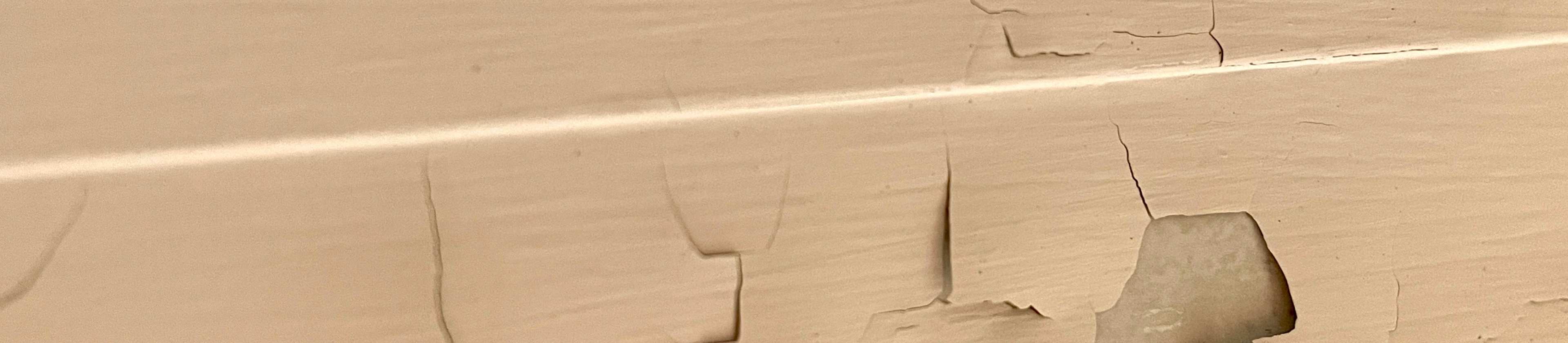
A lead paint inspection is a thorough examination and assessment of a building or structure to determine the presence of lead-based paint. Lead-based paint was commonly used in buildings before 1978 when its health hazards were fully understood. Lead is toxic and can pose health risks, particularly to young children and pregnant women. Getting a lead paint inspection means finding a lead paint inspector to examine the surfaces of the building—such as walls, ceilings, doors, windows, and other painted areas—and identify the presence of lead-based paint.

Mold, VOCs, radon, carbon monoxide, and particulate matter are typically measured.

The Bethany Beach, DE homeowners’ guide to lead testing and removal services

From average costs to expert advice, get all the answers you need to get your job done.