





Top-rated electricians.

Best electricians near South Windsor, CT

Enter your zip and get matched with up to 5 pros

Need a pro for your electrical service project in South Windsor, CT?

Select your specific project to find the pro for you.

TRUSTED BY SOUTH WINDSOR, CT HOMEOWNERS

  • Average homeowner rating star icon4.7
    Average homeowner rating
  • Verified reviews icon674
    Verified electrical services reviews

Top-Rated Electricians in South Windsor - Updated Nov 2026

Tranmer Electric, LLC
4.5(
128
)
Ceiling Fan - InstallElectric Vehicle Charging Station Installation - Materials Not ProvidedElectric Vehicle Charging Station Installation - Materials Provided by Consumer+7 more

Serving South Windsor, CT and surrounding areas

Approved

In business since 1999

Free estimates

Emergency services offered

"I had a next day rush job to do and Tranmer Electric was there bright and early and got the job done. Very responsive and quality work. Also left the worksite broom clean. I would definitely recommend them and would use them again."
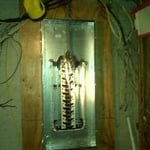
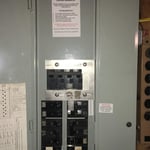
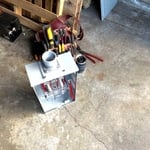
Before Panel change
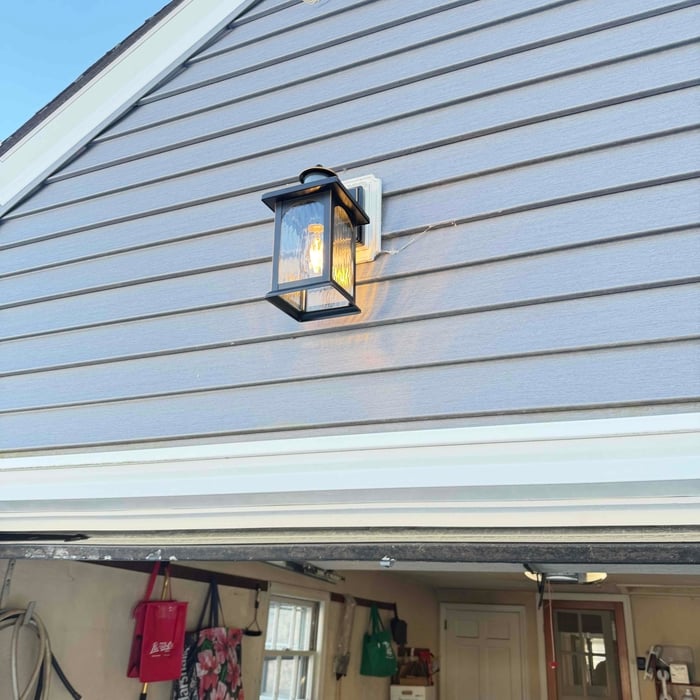
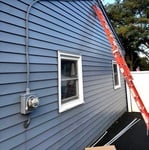
Adding Motion detectors
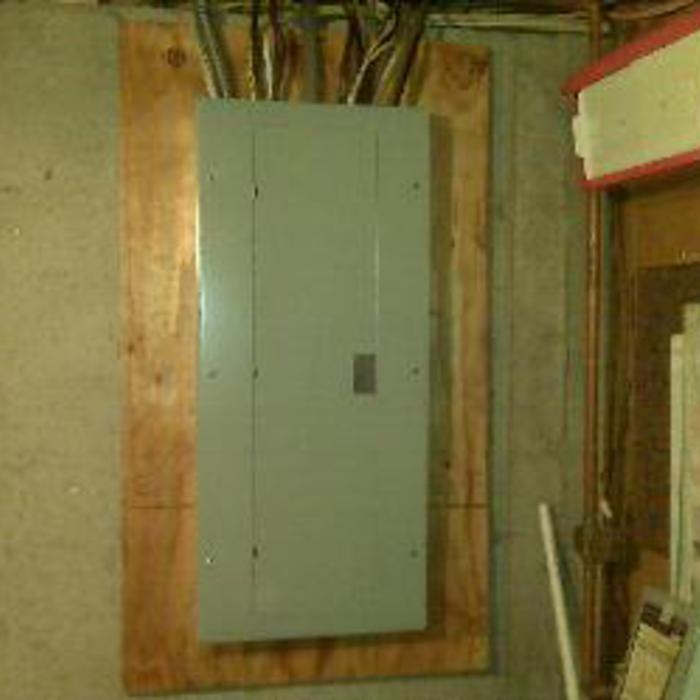
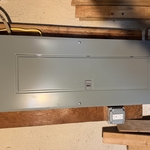
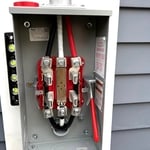
 Finished panel change
Adding Motion detectors
Panel cover on

+4

Recommended by96%of homeowners
Avatar for TJF Electric LLC
TJF Electric LLC
5.0(
18
)
Electric Vehicle Charging Station Installation - Materials Not ProvidedElectric Vehicle Charging Station Installation - Materials Provided by ConsumerElectrical Switches, Outlets & Fixtures - Install or Repair+6 more

Serving South Windsor, CT and surrounding areas

Approved

In business since 2025

Free estimates

Credit card accepted

"It is rare these day to find an electrical company owner who actually cares about his customers. Tyler is very personable and wants to truly get to know his clients. A++ In customer service. He replaced out 12 circuit electrical panel which was basically rats nest of electrical wires. This was very time consuming for him while Chris worked on moving and installing a new electrical meter. I would highly recommend TJF electrical for any of your electrical needs whether the Job is big or small! He also is available 24/7. Meet Tyler for yourself a see the customer service that he has brought to his business. Thank you Tyler for taking care of our electrical Needs!"
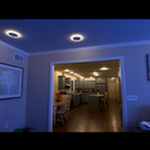
recessed lights
recessed lights
recessed lights
recessed lights
...
Showing 1-10 of 295
Electrical FAQs, answered by experts

A light switch can stop working for several reasons. Typical causes include a blown fuse or tripped circuit breaker, both of which shut off power to the switch. Worn-out or faulty internal switch components can also prevent it from functioning properly. Loose or disconnected wiring within the switch or electrical box is another frequent issue. Additionally, switches may fail due to age, excessive use, or physical damage. In some cases, problems with the light fixture or bulb itself might be mistakenly attributed to the switch.

Some types of electric fireplaces use more electricity than others. Models that produce 1,500 watts will have more of an effect on your heating bill than 750-watt models. 

Electric fireplaces use an average of $1.85 of electricity every eight hours. These minimal operational costs aren’t likely to make a big difference in your electric bill—unless you’re using it as a primary heating source for your home and it’s running most of the time.

They’ll use more electricity than the average upright vacuum, but not remarkably more. Most power units plug into a standard 120-volt outlet and don’t have significant power demands. You shouldn’t notice an increase in electricity bills. If you have any specific questions about energy costs, ask your installer as you examine purchase decisions. Larger power units will need more electricity for their suction levels.

You can twist the wires before using a wire nut, but it’s not necessary. Electricians often twist wires before using a wire nut, which can help secure the connection and enhance electrical contact between wires. You can decide whether or not to twist the wires beforehand, or consult a local electrician if you need  professional opinion.

While the National Electrical Code (NEC) does not set a strict limit, a common guideline is to have a maximum of eight outlets or receptacles on a 15-amp circuit. This rule of thumb, which equates to about one outlet per 1.5 amps, helps keep the total electrical load safely below 80% of the circuit breaker's capacity. It is important to consider the power demands of any devices or appliances that will be plugged in, as overloading a circuit can lead to tripped breakers or create a fire hazard. To ensure the safety and code compliance of your electrical system, consult with a licensed electrician.

The South Windsor, CT homeowners’ guide to electrical services

From average costs to expert advice, get all the answers you need to get your job done.