




Top-rated weed maintenance pros.

Get matched with top weed maintenance pros in Pawcatuck, CT

Enter your zip and get matched with up to 5 pros

Need a pro for your weed maintenance project in Pawcatuck, CT?

Select your specific project to find the pro for you.

TRUSTED BY PAWCATUCK, CT HOMEOWNERS

  • Average homeowner rating star icon4.7
    Average homeowner rating
  • Verified reviews icon130
    Verified weed maintenance services reviews

Find Weed maintenance pros in Pawcatuck

No results for Weed maintenance pro in

Try adjusting your search criteria.
Weed Services questions, answered by experts

The main problem with crabgrass is that it produces thousands of seeds that can remain dormant until the following season. To get rid of it, you have to remove existing plants before they have a chance to spread seeds and stop old seeds from germinating.

Weed control applications usually cost around $100 each for a standard-size yard, and most professionals charge between $30 and $60 per hour for manual weed removal. Your total is affected most by the size of the weeded area. Some weed service companies offer weed control treatments, selective herbicide spraying, and manual removal and upkeep as part of a package, costing around $600 annually. You might pay less if you hire the same company for other lawn services, like flower bed upkeep, aeration, overseeding, and pesticide application.

Johnsongrass and crabgrass are invasive weeds that can overtake your lawn. Crabgrass is a low-growing grass most often seen in lawns, flower beds, and vegetable gardens. While you may find Johnsongrass growing in your lawn, it will also grow in pastures, crop fields, and the edge of the road. Johnsongrass is much coarser than crabgrass. If left alone, Johnsongrass can grow up to 8 feet tall. 

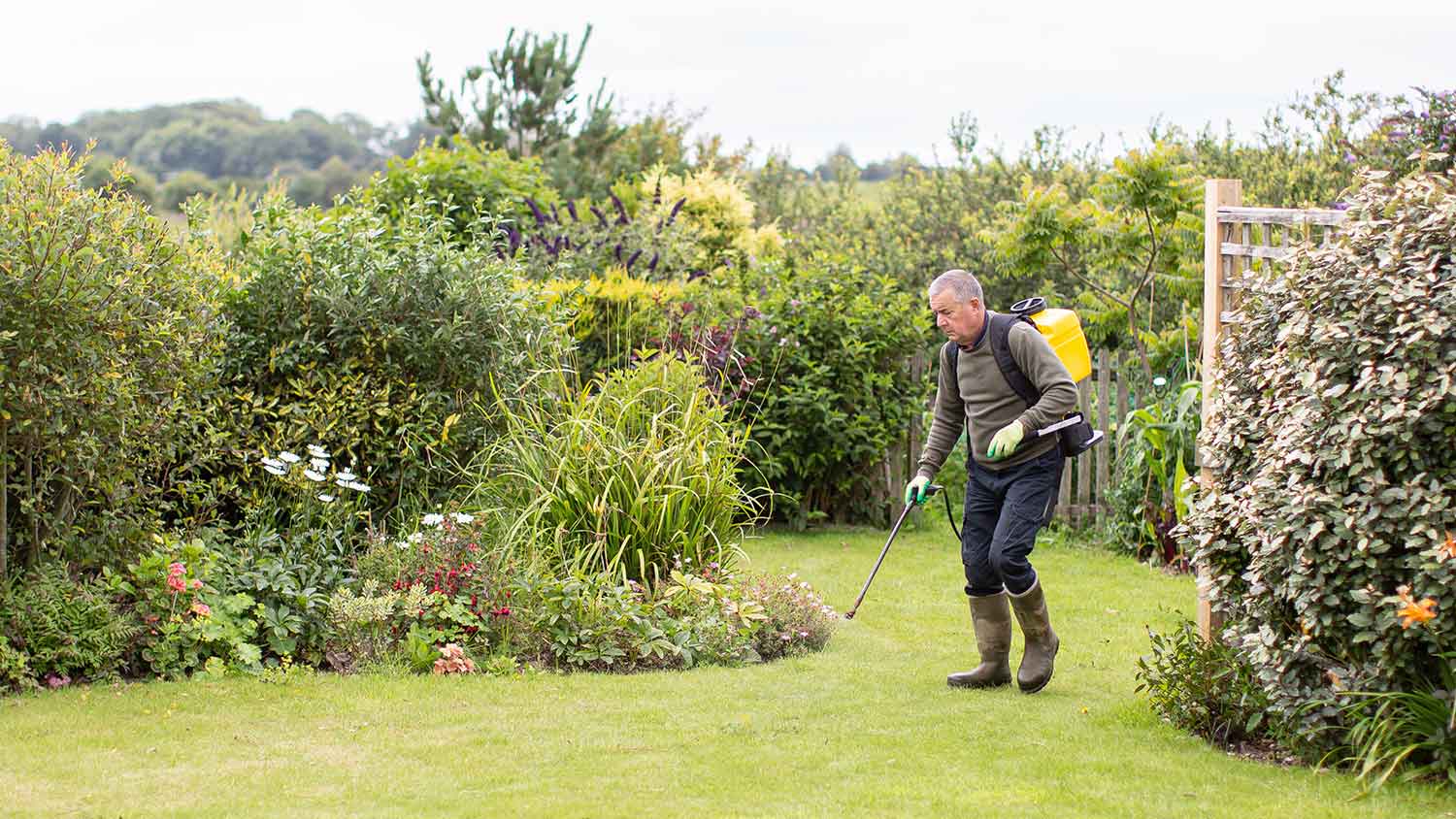
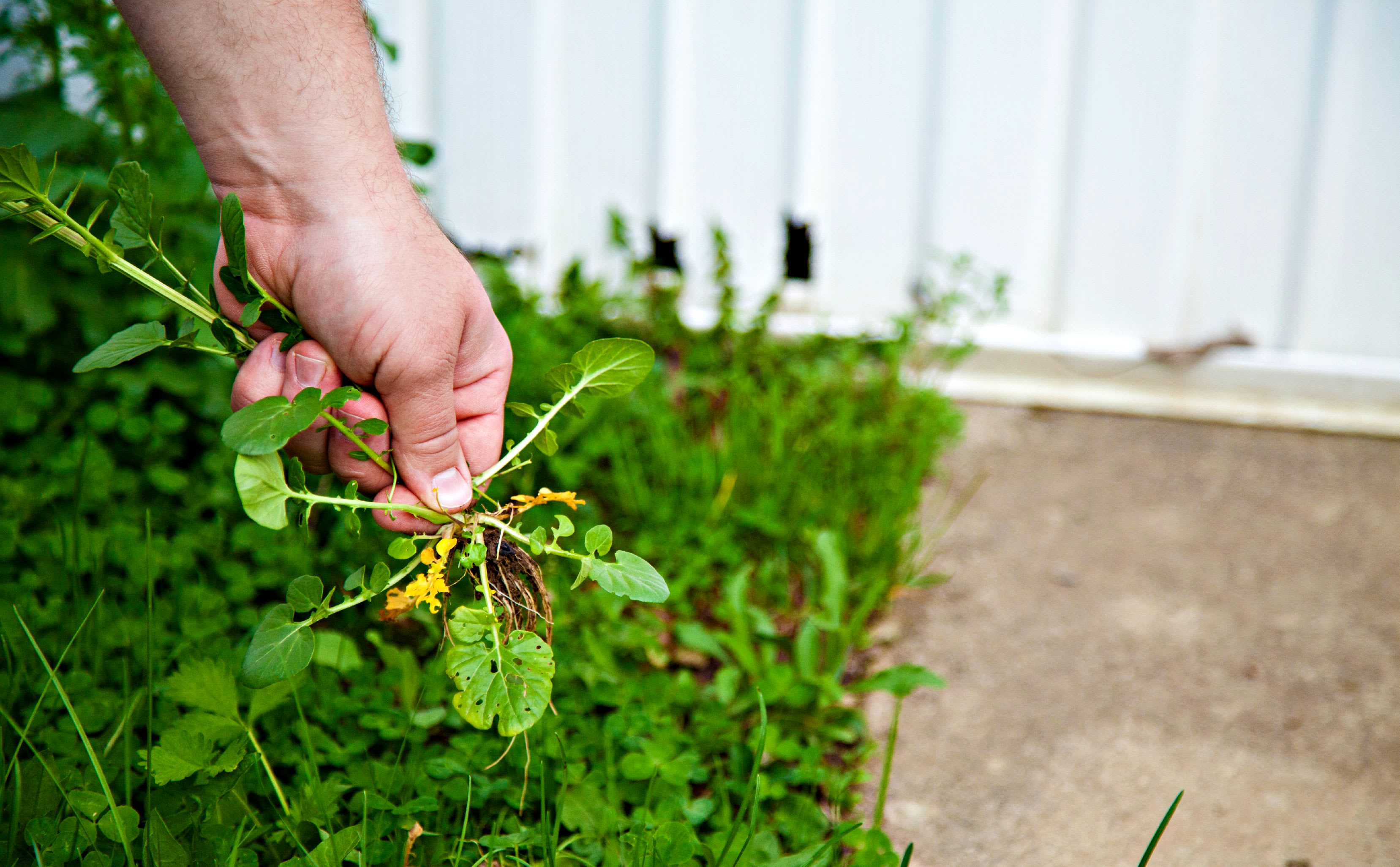
A spot herbicide for weed control is effective at killing crabgrass and not grass, but it depends on the type of herbicide. Always check the label to ensure that your herbicide is safe for grass but tough on crabgrass. Overall, spot treatment is ideal because it puts fewer herbicides into the soil, which can damage the soil. If you’re wanting a natural remedy to crabgrass that also won’t harm surrounding grass, you can also hand-remove crabgrass or even pour boiling water or 5% vinegar over crabgrass as a spot treatment.

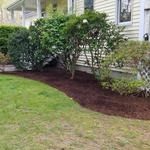
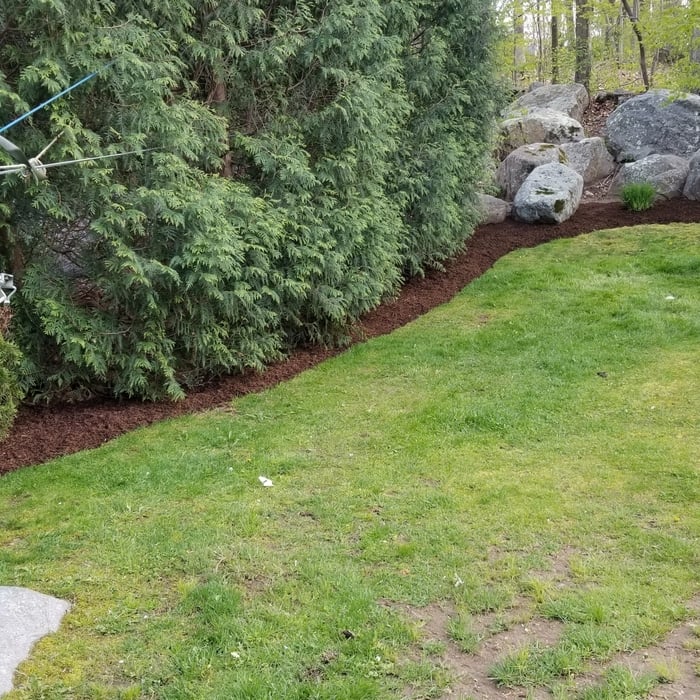
You should add 1 to 4 inches of mulch, depending on your garden type and needs. Keep in mind that no amount of mulch can completely prevent weeds, but a heavier coverage (closer to 4 inches) can suppress weeds enough that you are only seeing them sprout every few weeks. Finer mulch prevents weeds more effectively than large mulch, so if you’re using mulched leaves or shredded bark, 1 to 2 inches will likely suffice, while 3 to 4 inches is best for larger mulch, like bark chips or straw.

The Pawcatuck, CT homeowners’ guide to weed maintenance services

From average costs to expert advice, get all the answers you need to get your job done.