



Top-rated lawn care providers.

Best lawn care providers near Orange, CT

Enter your zip and get matched with up to 5 pros

Need a pro for your lawn service project in Orange, CT?

Select your specific project to find the pro for you.

TRUSTED BY ORANGE, CT HOMEOWNERS

  • Average homeowner rating star icon4.5
    Average homeowner rating
  • Verified reviews icon672
    Verified lawn services reviews

Top-Rated Lawn care providers in Orange - Updated Nov 2026

Avatar for MAG Landscaping, LLC
MAG Landscaping, LLC
4.9(
45
)
Lawn & Yard Waste Clean Up

Serving Orange, CT and surrounding areas

Approved

In business since 2017

Free estimates

Customers say: Quality work

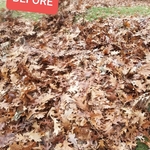
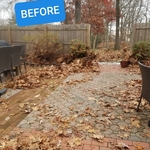
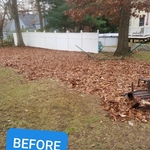
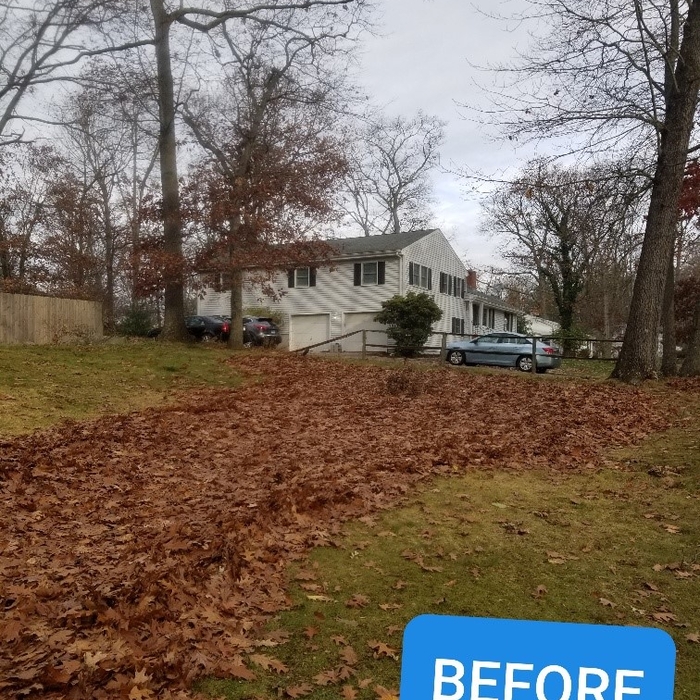
"Mike called me back same day of my Angi request. They vacuumed all the leaves that we collected street side from the front and back yard, plus they took some extra bags of leaves we had for the town. Great service, and great price! Thank you again."

Mulch
Mulch
Mulch
Mulch
Mulch

+32

Response time5 days
5 neighbors recently requested a quote
Recommended by88%of homeowners
...
Showing 1-10 of 458
Lawns FAQs, answered by experts

According to the College of Agriculture and Life Sciences, there are over 10,000 kinds of mushrooms, and some are harmful to both humans and animals. However, not all mushrooms are harmful—some feed on thatch and wood, which provides nutrients for grass and plants. 

But unless you’re a mushroom expert (mycologist), it can be hard to tell poisonous mushrooms from non-poisonous. So if you have kids or pets (or both), removing them is the safest route to take.

If you have a lot of trees around your home, mulching all those leaves can smother the lawn. Air and light won't reach the grass and soil if too many leaves have been mulched. Turf grass and other lawn problems can arise if the weather is too wet and excessive leaves have been mulched.

While a river may seem safer than the street, blowing leaves into the water can cause a lot of problems. Leaves can alter the local ecosystem, encourage bad algae growth and block narrow waterways. In large numbers, leaf debris can lead to fish death events in nearby bays or lakes and require expensive dredging to address. That’s why many cities also ban blowing leaves into water.

The time it takes for leaves to decompose can range from six months to three years. Key factors influencing the decomposition rate include water, sunlight, and heat, so local weather conditions play a significant role. Decomposition will take longer for thick, matted layers of leaves. To speed up the process, you can mulch the leaves, as smaller pieces break down faster. Spreading large piles into thinner layers to increase exposure to sunlight and water also helps accelerate decomposition.

No, you shouldn’t vacuum artificial grass, particularly if you lay your synthetic grass with infill. Vacuuming could suction it up and loosen the connection between the grass and the ground.

The Orange, CT homeowners’ guide to lawn services

From average costs to expert advice, get all the answers you need to get your job done.