







Top-rated weed maintenance pros.

Get matched with top weed maintenance pros in Hampton, CT

Enter your zip and get matched with up to 5 pros

Need a pro for your weed maintenance project in Hampton, CT?

Select your specific project to find the pro for you.

TRUSTED BY HAMPTON, CT HOMEOWNERS

  • Average homeowner rating star icon4.7
    Average homeowner rating
  • Verified reviews icon46
    Verified weed maintenance services reviews

Find Weed maintenance pros in Hampton

No results for Weed maintenance pro in

Try adjusting your search criteria.
Weed Services questions, answered by experts

There are tools known as “sprinkler donuts” that are specially designed to aid in cutting the grass around your sprinkler heads by protecting them from your mower or weed whacker. You can also use a pair of hand shears to do the job manually if you’re willing to get a little dirty.

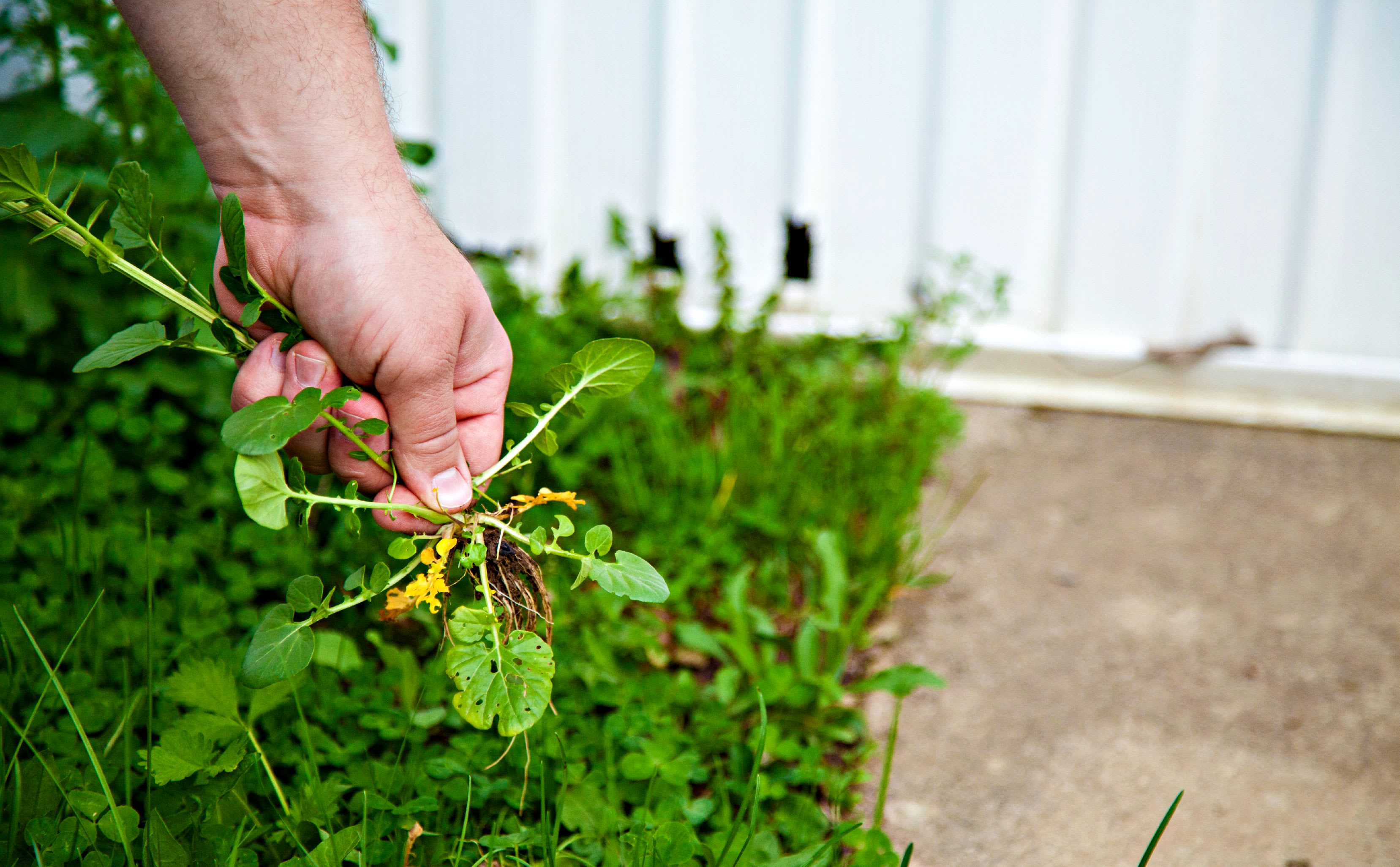
No, definitely not. Pulling weeds by hand is the single most effective way to remove them because you're eliminating the entire plant—roots and all—so it won’t have a chance to grow or spread. Setting time aside a few times per week to pull weeds can keep them at bay. If the number of weeds gets overwhelming, then you can resort to other methods.

Mowing your grass regularly, especially if you’re mowing close to the ground, can help kill Johnsongrass. Frequent mowing helps limit the spread of Johnsongrass and can even deplete carbohydrate reserves in rhizomes over time. The more time you leave in between mowing, the more likely Johnsongrass is to regrow and take over your lawn. 

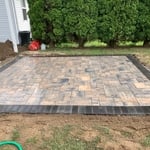
Sealing pavers helps cut down on weed growth, but it won’t wipe it out entirely. What it does really well is harden the joint sand—especially if you’re using a sealant with polymer additives—so weeds have a much harder time breaking through. It also blocks airborne seeds from settling in the cracks and keeps debris from building up. This results in fewer weeds, easier maintenance, and a cleaner-looking surface. Just remember, sealing is a strong defense—not a one-and-done solution. Stay on top of sweeping, spot-treating, and resealing every few years to keep your weeds in check.

Too much clover in your lawn can indicate several issues with your soil. Clover can thrive in soils with abnormally high pH, low-cut grass, and low nitrogen. Amending these issues can push clover out for good.

Hardy perennial clover loves the low nitrogen and compact conditions that often come with poor, infertile soils. But other factors also contribute to a clover explosion, including drought conditions, cool temperatures, under fertilization, and over-irrigation. You’ll need to evaluate all these elements when planning to kill off the clover.

The Hampton, CT homeowners’ guide to weed maintenance services

From average costs to expert advice, get all the answers you need to get your job done.