


Top-rated concrete disposal pros.

Get matched with top concrete disposal pros in Deep River, CT

Enter your zip and get matched with up to 5 pros

Need a pro for your concrete disposal project in Deep River, CT?

Select your specific project to find the pro for you.

TRUSTED BY DEEP RIVER, CT HOMEOWNERS

  • Average homeowner rating star icon4.7
    Average homeowner rating
  • Verified reviews icon79
    Verified concrete disposal services reviews

Find Concrete disposal pros in Deep River

Avatar for Connected Through Cleaning
Connected Through Cleaning
5.0(
14
)
Waste, Junk, Building Materials and Debris - Remove and Haul

Serving Deep River, CT and surrounding areas

Approved

In business since 2024

Free estimates

Warranties offered

"Zak and his worker did a wonderful job removing and disposing our piano. He touched base quite a few times, was right on time, and did the job well. I would definitely recommend him and use him again for future projects."
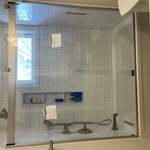
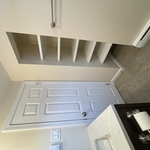
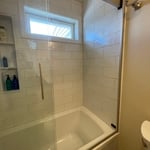
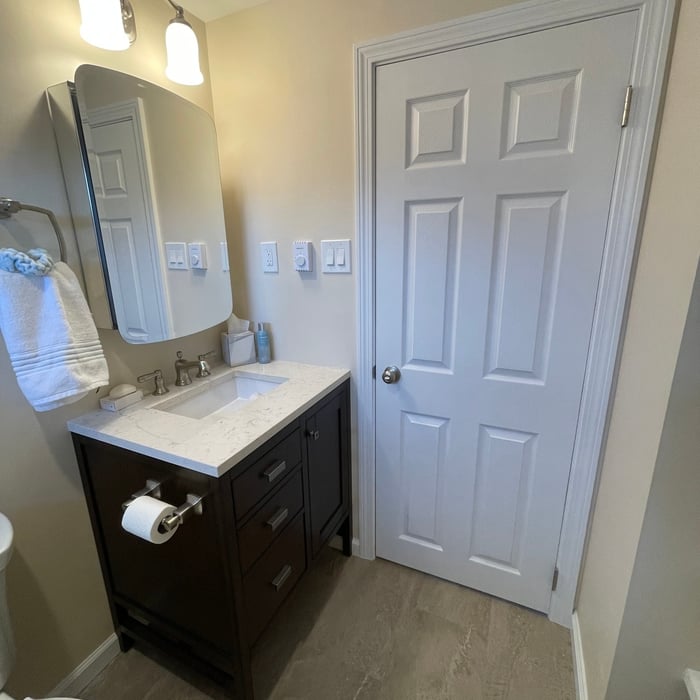
The beautiful house we got the pleasure on working on! A real life castle!
Bedrooms are now completely livable! Mopped and vacuumed the underside of the each bed throughout the house!
Bathrooms were all cleaned with organic products, getting of years of stains and dirt!
Full upstairs with railings professionally cleaned!
Additional Photos

+3

Response time10 hrs
Response rate100%
14 neighbors recently requested a quote
...
Showing 1-10 of 178
Concrete Disposal questions, answered by experts

The most common garbage disposal size in the U.S. is 1/2 horsepower. This size is ideal for households with three or fewer people or those that don't produce much food waste. Although 1/2 horsepower can't handle the typical food waste load for a household of four (which is about 250 pounds of food waste annually) as effectively as 3/4 horsepower, it remains the most common size of garbage disposal on the market.

Soil is just one of the items you shouldn't put down a garbage disposal. Garbage disposals are only meant for soft, non-fibrous foods. Large amounts of topsoil, dirt, or rocks will damage the blades of your garbage disposal or clog the pipes. If a small amount of dirt goes down the drain as you repot a plant, you shouldn't have to worry, but never dump a whole pot of soil in the sink for fast disposal.

Garbage disposals can be considered bad for the environment due to their electricity usage, but good for the environment because they reduce the food waste sent to landfills. If everyone used a garbage disposal, it would tax the wastewater treatment facilities in that region, but if we had to choose one of the options, we’d say they are a net positive on the environment when used correctly. 

The main issue with garbage disposals is clogging. This can mean a clogging of the pipes that expel the food along with water, or a clogging of the mechanical parts themselves. The problem lies in the solution because you can’t easily see clogs if they’re inside the system, and reaching in to dislodge stuck items is a risky proposal. Call a pro and ask what they would do, but if you can’t see the clog easily, and running the unit won’t free it, you need to let a professional handle the fix. 

While the drain connection for a garbage disposal is nearly universal and fits standard sink drain holes of 3 1/2 to 4 inches, the size of the disposal unit itself is not. You must have enough space in the cabinet underneath your sink to accommodate the disposal's housing. A larger model may not fit in a compact cabinet or if the existing plumbing is arranged in an unusual way. Before buying a new garbage disposal, measure the available space under your sink. If you are replacing an old unit, it's often easiest to choose a new model of a similar size.

The Deep River, CT homeowners’ guide to concrete disposal services

From average costs to expert advice, get all the answers you need to get your job done.