Top-rated leaf removal pros.

Get matched with top leaf removal pros in Brooklyn, CT

Enter your zip and get matched with up to 5 pros

Need a pro for your leaf removal project in Brooklyn, CT?

Select your specific project to find the pro for you.

TRUSTED BY BROOKLYN, CT HOMEOWNERS

  • Average homeowner rating star icon4.5
    Average homeowner rating
  • Verified reviews icon23
    Verified leaf removal services reviews

Find Leaf removal pros in Brooklyn

Antoinettetruckcompanyllc
New to Angi
Waste, Junk, Building Materials and Debris - Remove and Haul

Serving Brooklyn, CT and surrounding areas

Approved

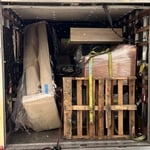
Hi! I own a junk removal business and I’m here to help make your cleanup easy. Whether you’re getting rid of old furniture, appliances, yard waste, or general household junk, I’ve got you covered. If you need something hauled away, I’m your guy! Fast, reliable, and affordable service—feel free to reach out for a free quote.

1 neighbors recently requested a quote
...
Showing 1-10 of 190
Leaf Removal questions, answered by experts

According to the Environmental Protection Agency (EPA), hazardous waste is generally classified into four main categories:

1. Characteristic Wastes: These exhibit at least one of four hazardous traits: ignitability (flammable, like gasoline), corrosivity (can rust or decompose materials, like car batteries), reactivity (unstable and can explode, like aerosol cans), or toxicity (harmful when ingested, like lead-based paint).

2. Listed Wastes: These are specific wastes from manufacturing and industrial processes that the EPA has officially designated as hazardous. They include byproducts from processes that use solvents, pesticides, and other chemicals.

3. Universal Wastes: These are commonly generated hazardous items that are subject to streamlined regulations. Examples include batteries, pesticides, mercury-containing equipment (e.g., bulbs), and some lamps.

4. Mixed Wastes: This category includes waste that contains both hazardous and radioactive components, making it subject to regulation by both the EPA and the Nuclear Regulatory Commission.
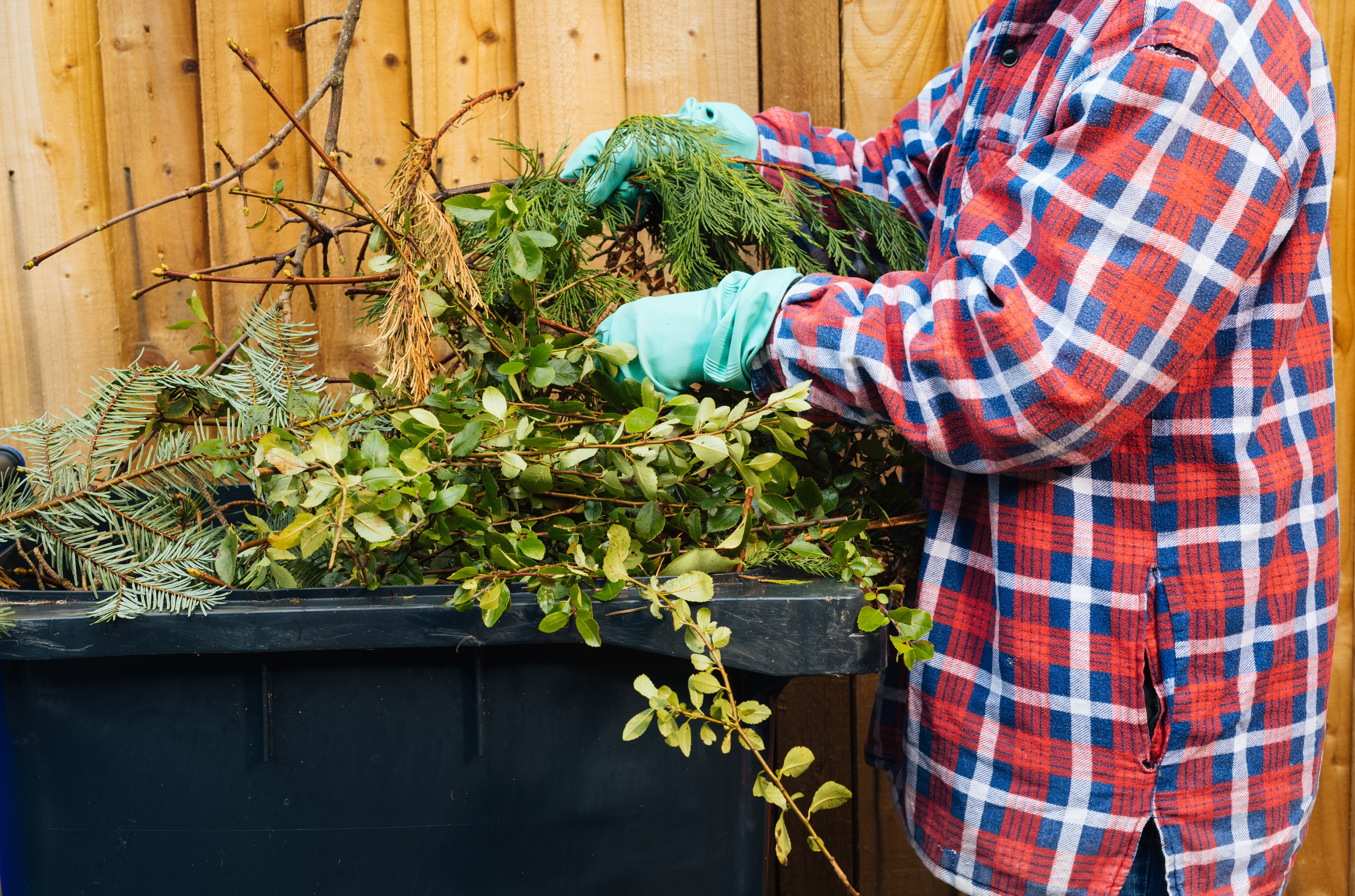
Professional lead removal involves identifying and safely removing or encapsulating lead-based paints and materials, using specialized equipment, and following strict safety procedures to minimize exposure and contamination.
Disposing of old paint, bleach, oil, and fertilizer should be handled by a company that specializes in this kind of waste. Many private junk removal companies do not dispose of these items. Because these materials are hazardous to the environment and dangerous to handle or dispose of improperly, you should confirm with your local municipality about places to take hazardous materials for safe disposal. 

You can sell a house with lead paint, but there are several requirements. If you are aware that lead paint exists anywhere in the home, you must disclose that to potential buyers. Required home inspections will often uncover lead paint, especially for older houses where lead paint may still be a problem. If you have taken steps to encapsulate lead, you should provide buyers with full documentation of the project so it won’t cause any problems later on.
It is safe to remove old linoleum, but it may require the help of a specialist due to the risk of asbestos in the material. Before you cut into linoleum or try to peel it up, have it tested for asbestos. If it tests positive, professionals will need to remove it to prevent the risk of health issues from airborne toxic particles. If it’s asbestos-free, DIY removal is possible and safe.
The Brooklyn, CT homeowners’ guide to leaf removal services

From average costs to expert advice, get all the answers you need to get your job done.