




Top-rated landscapers.

Get matched with top landscapers in Winter Park, CO

Enter your zip and get matched with up to 5 pros

Need a pro for your landscaping project in Winter Park, CO?

Select your specific project to find the pro for you.

TRUSTED BY WINTER PARK, CO HOMEOWNERS

  • Average homeowner rating star icon4.9
    Average homeowner rating
  • Verified reviews icon14
    Verified landscaping services reviews

Find Landscapers in Winter Park

Avatar for Krenger Construction
Krenger Construction
5.0(
6
)
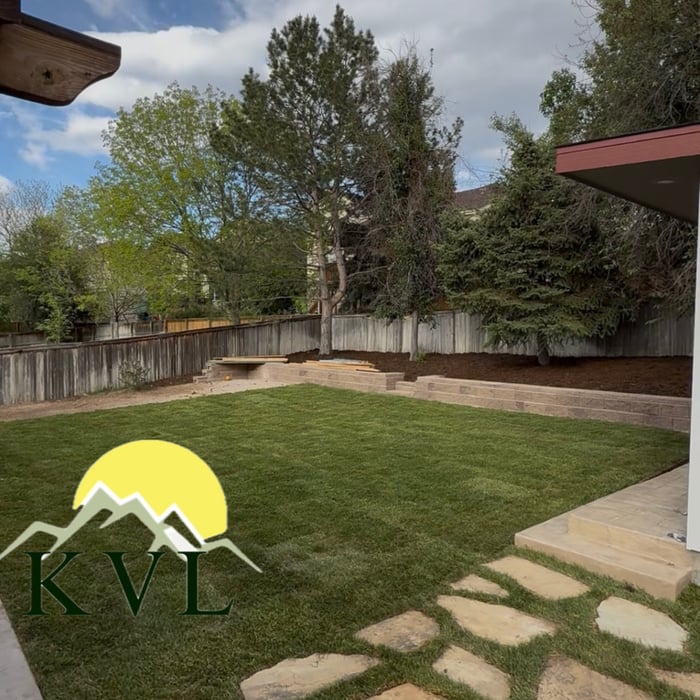
Retaining Wall - Install

Serving Winter Park, CO and surrounding areas

Approved

In business since 2022

Free estimates

Emergency services offered

"From initial project conception through construction, working with Mr. Krenger has been an absolute pleasure. Never before have I hired such a responsive and prompt Contractor who never made me feel like I was being taken advantage of. All of that is great, but it is the second-to-none quality workmanship that will make me hire Krenger Construction again for my next landscaping project."
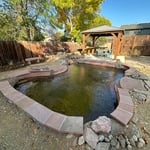
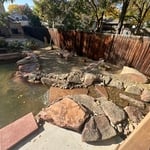
Fountains Project
Fountains Project
Fountains Project
Additional Photos
Additional Photos

+51

Response time6 days
2 neighbors recently requested a quote
Recommended by100%of homeowners
Avatar for Royal Lawn Care Services
Royal Lawn Care Services
New to Angi
Lawn & Yard Waste Clean UpLawn Care - Maintain and Mow a Lawn

Serving Winter Park, CO and surrounding areas

Approved

Small jobs welcome

Credit card accepted

Offers commercial services

We are a family owned, local business here in the Aspen Valley and in Denver. With 10+ years of experience. Hoping we can help with any lawn needs you may need for this season. We do anything from lawn mowing to seeding, tree trimming, sod, aeration, irrigation and much more! \n\nWe know that this time around can get busy but we would defiantly love to connect with you and see what your lawn needs are, so we can fulfill them!

Knapp and Associates, Consulting Engineeers
New to Angi
Designer - Landscape

Serving Winter Park, CO and surrounding areas

Approved

Emergency services offered

Warranties offered

Small jobs welcome

Civil and Structural Engineering. 30+ years as a Registered Engineer in Colorado.\nFormer Building official, ICBO certified building inspector, plumbing inspector, Plans examiner.\nExperienced with soils, wood, concrete, steel, drainage engineering design, plan drafting, inspection, project management, project costing and forensic representation.\n

...
Showing 1-10 of 120
Landscaping questions, answered by experts

While you can leave roots in the ground, if you don’t want the shrub to regrow again over time, it’s best not to leave any roots behind. Ensure you remove as much of the shrub as possible, including the root ball and any main roots you can see, to prevent new growth. Some gardeners opt for using a chemical treatment to prevent the stump from growing back, but this can kill beneficial microorganisms living in your soil.

Grass is the most popular and safest option for planting over a septic drain field, but you can also plant small flowering plants and other lightweight plants that don’t have woody or deep roots. Avoid trees and bushes within 10 feet of the field, as the woody roots can crack the perforated pipes. You should also avoid planting vegetable or fruit gardens over your drain field, as a leak from the pipes could contaminate the soil and put anyone who eats the produce at risk.

When planting, it's best to leave several feet between a house and a juniper bush. Many juniper varieties will become quite bushy and require space to grow. Juniper branches that come into contact with siding can damage the home's exterior over time. Also, some juniper bushes have aggressive roots that can put pressure on a home's foundation or basement walls. 

The most important thing to put under a rock garden is the appropriate soil. The specific soil needed will depend on the type of plants you’re growing as well as the environment you live in. You can also put non-woven or woven fabric under the rocks to add to the garden's structural stability.

In addition to aloe vera and lilac, other effective humidity-reducing plants include peace lilies, Boston ferns, English ivy, spider plants, and lucky bamboo. These plants thrive in humid environments and can naturally lower moisture levels. Place them in areas prone to dampness for the best results.

The Winter Park, CO homeowners’ guide to landscaping services

From average costs to expert advice, get all the answers you need to get your job done.