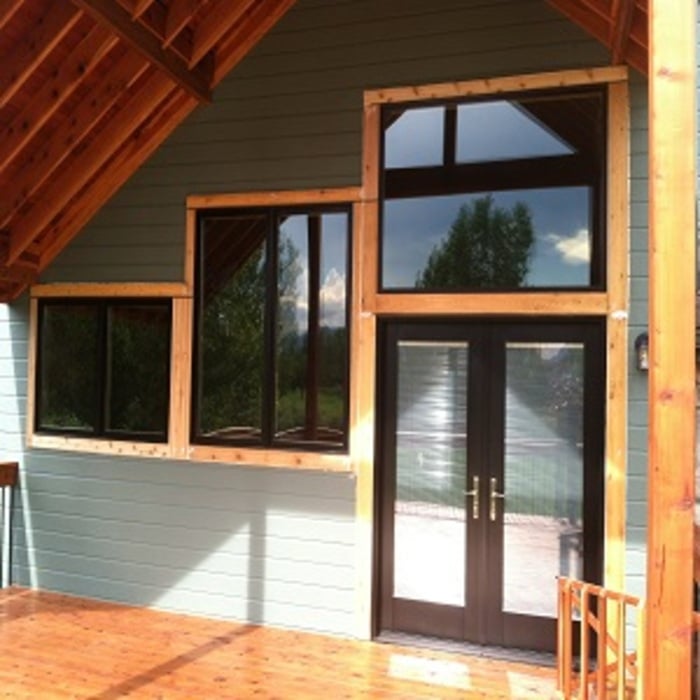


Top-rated deck cleaning pros.

Best deck cleaning pros near Twin Lakes, CO

Enter your zip and get matched with up to 5 pros

Need a pro for your deck cleaning project in Twin Lakes, CO?

Select your specific project to find the pro for you.

Top-Rated Deck cleaning pros in Twin Lakes - Updated Nov 2026

Allbright Window Cleaning
4.7(
106
)
Deck, Fence, Patio or Porch - Clean and Seal

Serving Twin Lakes, CO and surrounding areas

In business since 1990

"Zach and his team were incredible! Their first application of stain to our deck did not look good at all - due to the quality of our pressure treated wood. Zach assured me the team would come back the next day to make it right. His team decided that the best thing was to sand the entire deck and reapply the stain. His team worked 5 hours the next day - and the results are incredible! Albright was top notch - he did not charge me anything additional for the increased work - even though this was not their fault. I would strongly recommend Zach and his team to anyone. This is the absolute best company for service and customer satisfaction - they really go out of their way to ensure clients are happy."
Recommended by4%of homeowners

Showing 1-10 of 24
Deck Cleaning FAQs, answered by experts

The best direction for a gate to swing depends on its location and purpose, but swinging inward is the general rule. An inward swing is often considered safer, prevents the gate from opening into public spaces like a sidewalk, and may be required by local building codes.

There are exceptions and specific considerations. If your property is on a slope, an inward swing might not be possible. For a deck gate, it's safest to have it swing away from any steps. In a backyard, the direction can be a matter of preference, though an inward swing can be helpful when carrying heavy items like a wheelbarrow into a garden.

Regardless of direction, ensure the gate can open fully without hitting any objects or blocking spaces. While an inward swing is standard, a gate that can swing both in and out offers the most flexibility if your setup allows for it.

What goes under your floating deck depends on your preferences. Some homeowners put landscaping fabric underneath their decks to prevent weeds from popping up through the boards. Others choose to build a floating deck over grass or gravel. However, it’s best not to set your deck directly on the ground. Instead, set your deck on blocks to keep it elevated enough to prevent moisture from rotting the wood.

Yes, deck pier blocks can be used as an alternative to traditional deck footings, particularly for small or low-to-the-ground decks. Unlike poured concrete and buried post footings, deck blocks don’t require digging or pouring. However, their use is regulated by local building codes, and they may not be permitted in areas prone to high winds, earthquakes, or hurricanes. Always consult your local building codes before choosing them for your deck project.

To flatten a cupped deck board, start by ensuring it’s dry. Then, try flipping the board over so the cupped side faces down and reattach it. If that’s not possible, you can use screws to pull it tighter to the joists or plane the edges slightly to reduce the cup. It’s best to replace severely cupped boards.

Hangers are one way of attaching stair stringers to a deck. These metal hangers are usually adjustable, allowing you to find the ideal angle for a secure installation. They’re the best choice for installing longer staircases, such as one on a two-story deck, to reduce the load on the deck frame while keeping the stairs stable.

The Twin Lakes, CO homeowners’ guide to deck cleaning services

From average costs to expert advice, get all the answers you need to get your job done.