"He was able to quickly diagnose that the water leak from the water heater was a result of a ruptured tank, resulting in the need to replace the entire water heater."
"My old water heater went out yesterday and of course leaked water all over. I shut it off and stopped the leaking. Called early this morning looking for someone to install a new one. Jim was actually sent over by another plumber who could not get to my job right away. Jim showed up, looked at the job, we talked about the options and he gave me a bid. Let to get the new water heater. We back in about thirty minutes. He had to make some changes to the water and gas lines. Added shut offs and installed new one. Took the time to explain operation and maintenance of the new one. Cleaned up the work site. Removed all debris and old water heater. I was impressed with his work and his attitude. "
"Service guy came as scheduled. Sent his "service" requirements to home base Home base calls back and lists, a very long list of what needs to be done and a very long list of what is not covered and what each item costs. The overall cost was outrageous and they weren't willing to give it to me in writing. Everything I had to pay for was overpriced, of course! They told me my other option would be to purchase my own water heater and they would reimburse me for what there water heater would cost, but no reimbursement for Labor, building permit, or any upgrades required by the local building department. The requirements of the building department were minimal. I went to Home Depot and had them do the installation and saved many hundreds of dollars. Lesson learned, have AHS do simpler repairs that don't require municipal building department approval. Have AHS pay for the equipment, and purchase installation from a trusted local installer."
"Went well as could be expected, needed a part and ordered, when part came in found out we needed another part which delayed fixing our heat for almost a week in total, but having a carrier unit and not having parts in town is what made it difficult, not A+ plumbing and heating. I will be hiring for all future plumbing and heating work!"
We take great pride in our experience, expertise, quality, and customer service that we provide to meet the consumer's needs. It is our mission to provide excellent workmanship and complete customer satisfaction from start to completion of a project. In order to understand the needs and expectations of our customers, we take great care to work and communicate with every customer in a professional manner. Our reputation is based on service, safety, and quality, regardless of how large or small the job.
We are a new company comprised of local electricians who have been servicing the Durango area for many years. Are rates are competitive, our service is exceptional! We are experienced in all forms of residential, commercial, and industrial construction, and maintenance. We put our customers first, no hassles, or waiting, your deadline is our deadline.
The chemicals in a water softener can wear down the anode rod in the heater and shorten its life span. However, for most people, the benefits of the softener outweigh this potential drawback.
Have a plumber inspect the anode rod annually for damage, as replacing the anode rod is far less expensive than replacing the entire water heater.
Yes, hybrid water heaters can be noisy — noisier than traditional water heaters. The sound they produce is often compared to the hum of a dishwasher. Its noise comes from the heat pump’s fan and compressor as they work to pull in and compress the air. While it’s not totally disruptive, especially if the unit is installed in less frequented areas, like a basement or garage, it’s something to keep in mind if you’re sensitive to noise or if the unit will be placed near bedrooms or living spaces.
While a water heater explosion is rare, it is a serious danger. Be aware of these critical warning signs:
Sulfur or Rotten Egg Smell: This is a major red flag, especially for gas water heaters. It can indicate a gas leak, which could ignite and cause an explosion.
Leaking Pressure Valve: If the temperature and pressure (T&P) relief valve is leaking, it may not be able to properly regulate internal pressure, creating a risk of bursting.
Shaking or Rumbling: Loud rumbling or shaking from the tank can be a sign of extreme pressure buildup.
Excessive Heat: If the exterior of the water heater feels unusually hot to the touch, the unit may be overheating dangerously.
Rust-Colored Water: This can be a symptom of severe internal corrosion that compromises the tank's integrity.
If you notice any of these signs, especially a gas smell, you must act immediately. Shut off the gas supply to the water heater and call a professional plumber right away to prevent a potential disaster.
Yes, you can replace a current tank water heater with a tankless model or vice versa. If you’re maintaining the same fuel source—gas or electricity—the switchover should be smooth. A conventional tank requires open floor space, while a tankless model can be wall-mounted. If you’re switching to a tank water heater, you might need to clear space for it. Gas-powered tankless water heaters need a large volume of gas when they start running to heat the water instantly. You might need to increase the size of the gas line when going from a tank to a tankless model.
A tankless water heater with a flow rate of 10 GPM should replace a conventional 50-gallon water heater. To avoid a surprise cold shower or two and to keep your energy costs in check, it's important to replace a conventional tanked water heater with the equivalent tankless water heater. Your household size and the number of hot-water-using devices you use at once can help you determine the best-size tankless water heater.
The Springfield, CO homeowners’ guide to water heater services
From average costs to expert advice, get all the answers you need to get your job done.
A water heater flush costs $160 on average but can vary based on the unit size, type, labor, location, and more. Keep reading to learn how much you could pay.
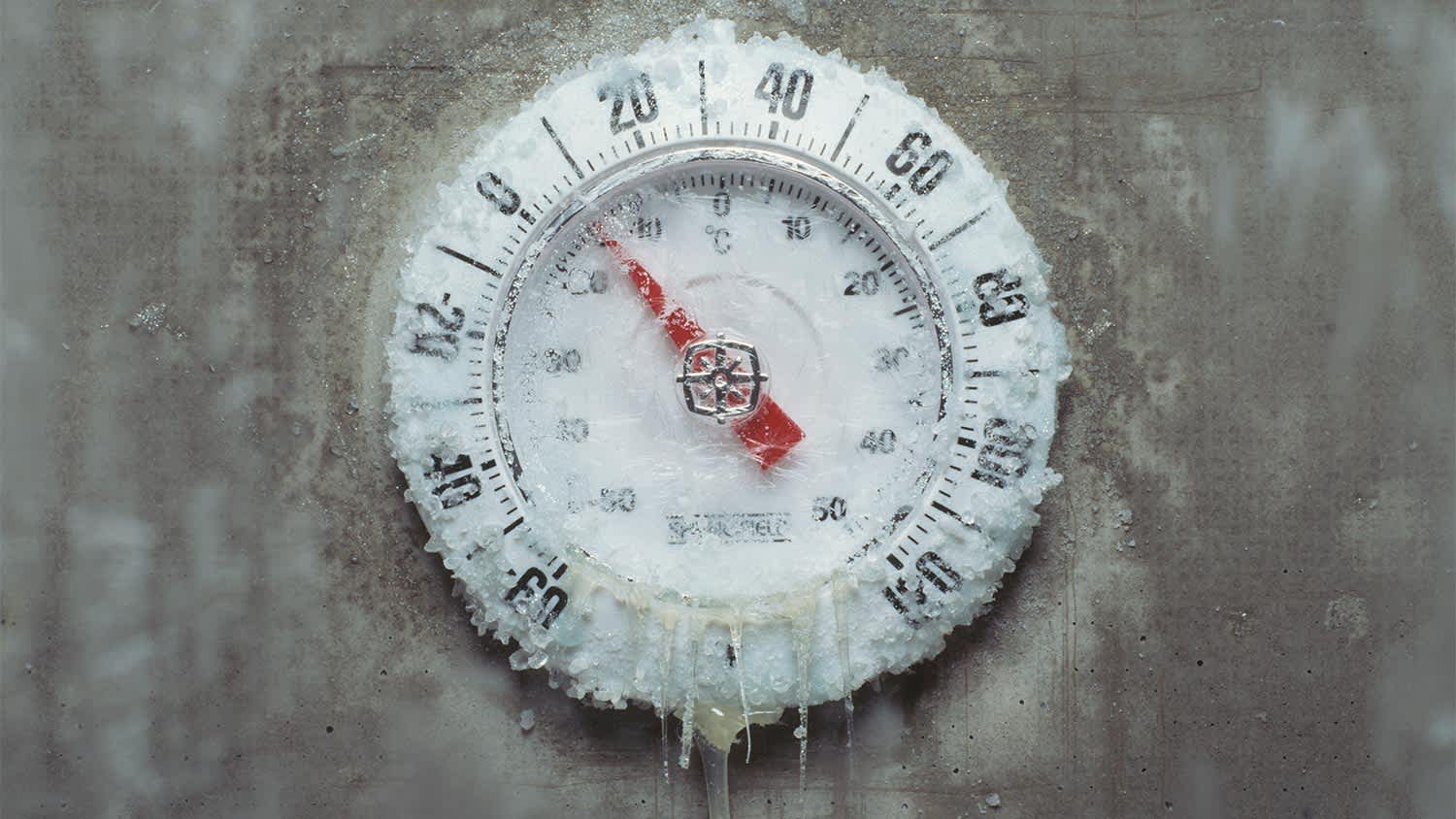
Worried your water heater might freeze this winter? Learn to spot the warning signs and how to safely thaw your tank or tankless system out if necessary.
Hybrid water heaters will have you weighing high initial costs versus long-term savings. Is it the right option for you? Explore the pros and cons of hybrid water heaters.
The average lifespan of water heaters is 6 to 15 years for conventional models and up to 20 for tankless ones, but it can be less if they are not properly maintained.