






Top-rated deck staining pros.

Get matched with top deck staining pros in Sanford, CO

Enter your zip and get matched with up to 5 pros

Need a pro for your deck staining project in Sanford, CO?

Select your specific project to find the pro for you.

Find Deck staining pros in Sanford

Avatar for Luke's Painting Company
Luke's Painting Company
4.4(
40
)
Exterior Home or Structure - Paint or StainExterior Home or Structure - Paint or Stain: LargeExterior Home or Structure - Paint or Stain: Medium

Serving Sanford, CO and surrounding areas

In business since 2017

Free estimates

Credit card accepted

"Luke was a gift! I moved from Colorado into a new home in Prattville, walked in the door and immediately realized I couldn’t live with the existing DIY paint job. I called Luke’s Painting, their estimate was $1400.00 less than their competitors, he started painting two days later. Luke was professional, honest, hard working and always cognizant of the fact that I was working from home while he was painting. The finished product is amazing, a realtor commented on how clean the lines are. I couldn’t be happier. Thank you Luke’s Painting!"

After.. what an amazing difference!
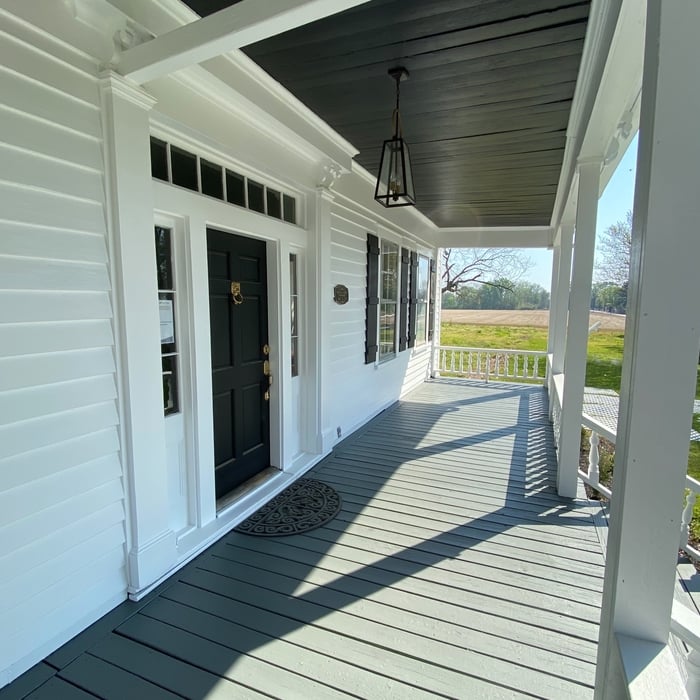
After picture of the beautiful entryway
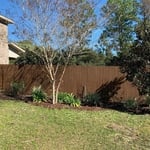
after picture of the fence
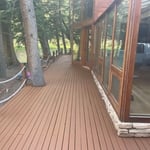
after.. beautiful color!
Exterior Painting in Sellers, SC

+76

Recommended by93%of homeowners
Showing 1-10 of 23
Deck Staining questions, answered by experts

You have a couple of options when choosing a durable pool deck coating. Epoxy is common and offers excellent stain and water resistance. Epoxy also withstands high temperatures and UV lighting, making it ideal for sunny spots. You can also add a coating to cement, which significantly lowers the temperature of the concrete, is environmentally safe, and makes cleanup a breeze.

You may be wondering: can you paint cement? Fortunately, the answer is yes.

To change the color of your cinder blocks, you have two options. You can either paint them or stain them. Either way, you'll be able to choose from a wide range of color options. Some popular colors for cinder block painting include off-white shades and gray tones, which add a modern spin to the traditional gray blocks.

Limewash and whitewash are two techniques used to give brick a light, matte finish, but they differ in composition, application, and permanence. The best choice depends on your aesthetic goals and the specific surface.

Composition

  • Limewash: A natural and environmentally friendly option made from limestone, water, and sometimes pigments. It is breathable and soaks into porous surfaces like brick.

  • Whitewash: Traditionally made from lime, water, chalk, and binders, but a similar look can be achieved with watered-down white paint. It is paint-based and sits on top of the surface.

Appearance and Finish

  • Limewash: Provides a natural, textured appearance that allows the brick's character to show through. It offers a more traditional finish.

  • Whitewash: Creates a softer, more opaque finish, often used for a rustic or shabby-chic style.

Application and Permanence

  • Limewash: Is semi-permanent and can be removed, making it a good choice if you might want to change the look in the future. It requires more skill to apply and cannot be used on previously painted brick.

  • Whitewash: Is a more permanent solution. It is more forgiving to apply and can be used on painted brick. However, because it sits on the surface, it can trap moisture.

Ultimately, if you want a breathable, natural, and reversible finish for unpainted brick, limewash is a great option. If you need a more permanent, opaque coating that can be applied over painted surfaces, whitewash is the better choice. Whitewashing may also be more economical, costing approximately $1.40 to $4.20 per square foot.

Various kinds of substances and deck preservatives act as protective coatings for wood to prevent rot, which is caused by water getting into the wood and creating cracks and splits. Stains, paints, and sealants are the three best options to protect your wood, but there are also oils, varnishes, and waxes available. You’ll need to reapply sealant at least once per year, and you should inspect your wood deck regularly to look for signs of damage or general wear and tear.

Yes, you can and should paint or stain pressure-treated wood, as this helps prevent the surface from cracking. However, it is crucial to wait for the wood to dry out completely from the chemical treatment process before applying a finish. If the wood is still wet, the paint will not adhere properly. The drying time can range from weeks to six months. To test if the wood is ready, drip some water onto a board. If the water is absorbed, the wood is dry enough for painting or staining. If the water beads up on the surface, it needs more time to dry. You can build with the wood while it's still wet, but you must wait for it to dry before painting.

The Sanford, CO homeowners’ guide to deck staining services

From average costs to expert advice, get all the answers you need to get your job done.