
Top-rated welders.

Get matched with top welders in Platteville, CO

Enter your zip and get matched with up to 5 pros

Need a pro for your welding project in Platteville, CO?

Select your specific project to find the pro for you.

Find Welders in Platteville

Avatar for Backbone Welding
Backbone Welding
5.0(
29
)
Wrought Iron Fence - Repair or WeldMetal Stairs and Railings - Repair

Serving Platteville, CO and surrounding areas

Approved

Super Service Award Winner

In business since 2021

Free estimates

Emergency services offered

"My infirm cousin was due to visit in a week, and would not be able to enter our home without the assistance of a railing on the front steps. I called Jeremy at Backbone Welding after reading the reviews here on Home Advisor. We needed a sturdy, durable railing quickly, but my husband and I had specific ideas about how we wanted it to look and function. Jeremy was not fazed in the least. He worked with us to design our railing and got it done with time to spare for a reasonable price. He is a good listener, a gifted problem-solver, really knows his trade, and is nice to boot. He was a pleasure, and we are looking forward to working with him again on an upcoming gate-rebuilding project."
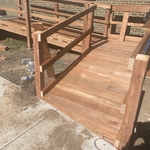
Stair railing
Stair railing
Stair railing
Stair railing
Response time12 hrs
25 neighbors recently requested a quote
Recommended by71%of homeowners
...
Showing 1-10 of 196
Welding questions, answered by experts

Cutting round ductwork requires precision and the right tools. A duct cutter, specifically designed for circular ducts, is ideal. First, mark the cutting line on the duct using a measuring tape and pencil. Then, position the duct cutter's blade on the marked line. Apply steady pressure, rotating the cutter around the duct. The sharp blade creates a clean, precise cut. Alternatively, a reciprocating saw with a metal-cutting blade can be used for larger round ducts. Ensure the duct is securely held in place while making the cut to prevent slips and maintain accuracy.

Cutting rectangular ductwork requires careful measurements and the right technique. Use a measuring tape and pencil to mark the cutting lines accurately. Tin snips are excellent for straight cuts on smaller ducts. For more extensive or thicker rectangular ducts, a reciprocating saw with a metal-cutting blade is effective. 

Ensure the duct is well-supported and secure while cutting to prevent wobbling and maintain precision. After cutting, use a metal file to smooth any sharp edges, ensuring safety during installation. 

Professional metal fabricators typically charge around $70 per hour, but the total cost of your project will depend on several factors. The largest cost drivers are the size, complexity, and design of the project, as well as the price and type of metal used. A good way to estimate the total cost is to multiply the cost of raw materials by four; typically, one-quarter of the total goes toward materials and three-quarters toward labor. Your geographic location can also influence costs, as labor and material prices vary by region.

Since water heaters are primarily made of metal, they’re commonly accepted by scrap yards and collectors. Don’t expect to fetch a high price, though—water heaters are mostly steel and aluminum, which aren’t high-value metals. Some components are made of more valuable metals, like brass and copper, but they’re a small portion of the heater and won’t affect the price much.

Your typical household tools will not cut a metal pipe. To cut a metal pipe, you’d need more specialized tools like a pipe cutter or circular saw. Do not attempt to use these tools without taking proper safety precautions and wearing safety gear. It’s usually safer to let a pro cut a metal pipe, especially if you’re not confident in your skills with a heavy-duty saw.

The Platteville, CO homeowners’ guide to welding services

From average costs to expert advice, get all the answers you need to get your job done.