"Mark is very careful, honest and knowledgeable. He inspected the area of our concern and addressed each aspect of the scope of the work. He advised us on how to proceed and will be able to assist us in a timely fashion."
"They gave me an appointment right away when I called about my spider issue and the service provider kept me informed about his arrival time even though I already had a 2 hour window. The provider was great: he explained the spray plan, walked the house with me to see the problem areas, outlined the cost the cost, and finished promptly."
"This is a very good company to work and I would highly recommend them. They were very quick to respond to my inquiry and had someone out the next day. I really appreciated their approach of humane removal of the animal and fixing the problem. They communicated every step of the way and all technicians were excellent."
"We were very happy with Barrett Pest Control. They were professional, courteous, punctual, and did a thorough job. We contacted two other companies before deciding on Barrett and we are feel we made the right choice."
We pride our company on being family owned and operated, integrity, compassion, reliability, and commitment consistent and quality work. We are experts in our trade and will do our best to keep you as educated as we can on your pest control service. Book with us online or feel free to give us a call today! We look forward to earning your business!
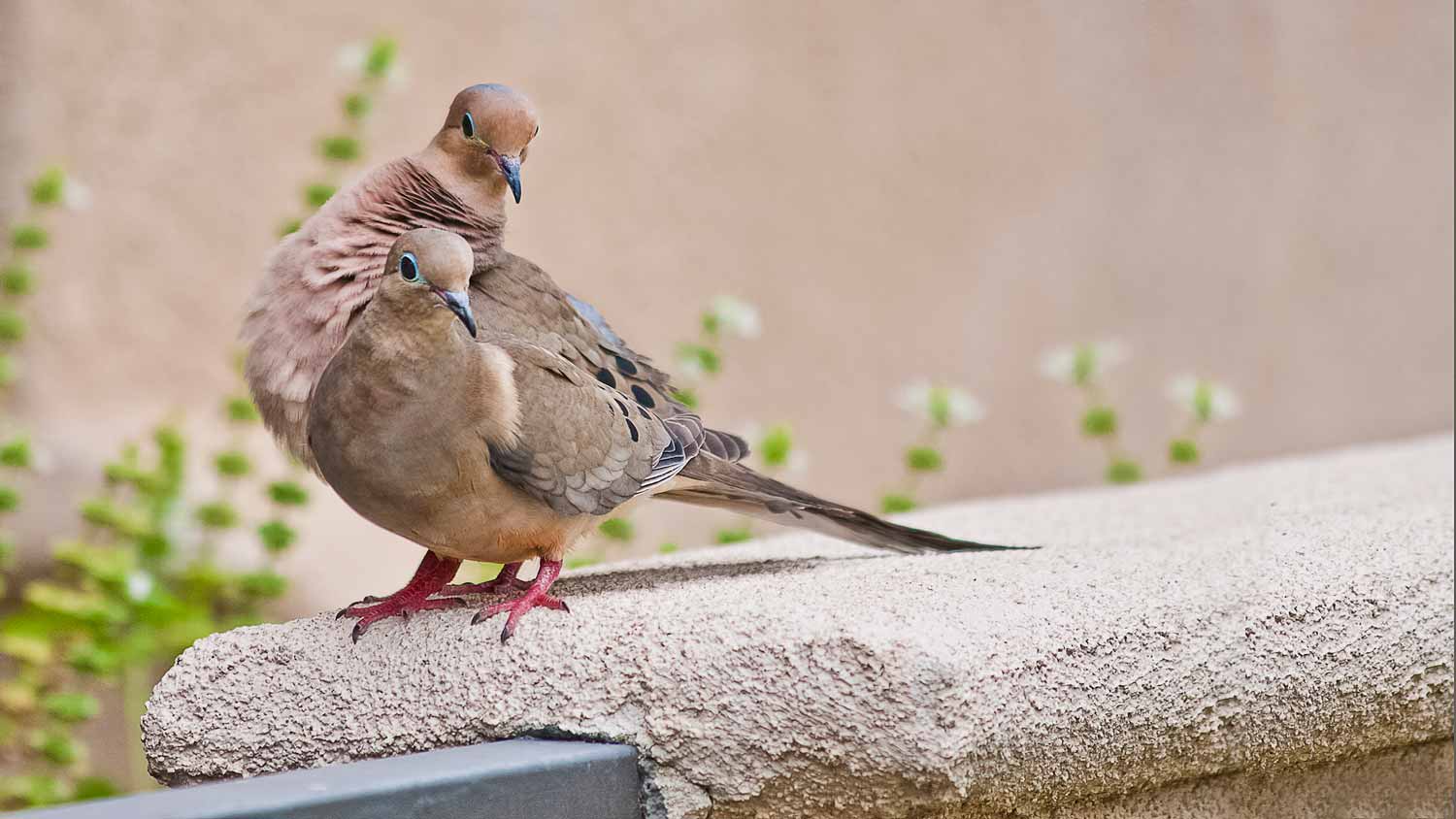
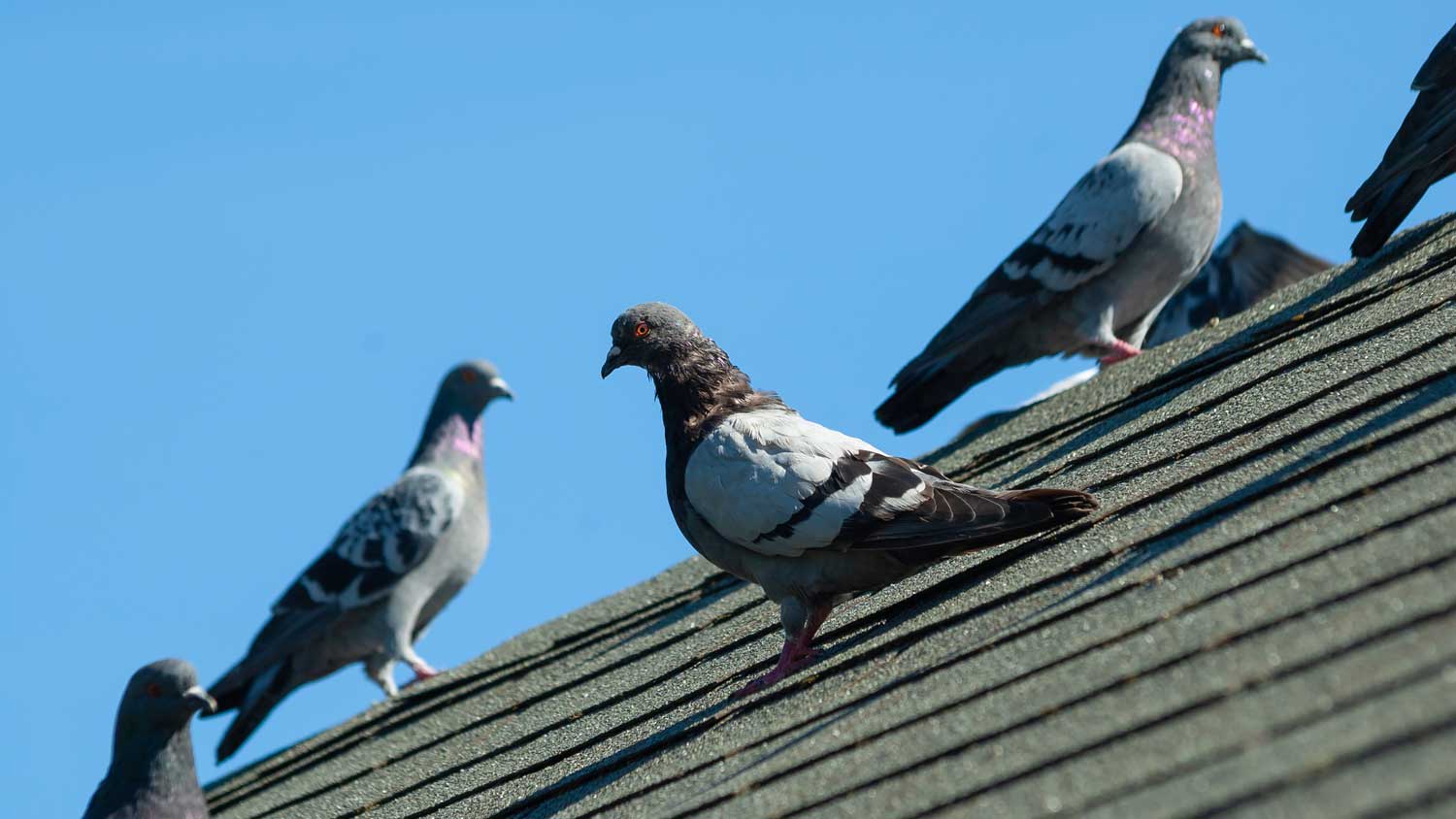
Keeping birds away from a porch can involve a combination of strategies. Start with cleaning your porch. Remove food, debris, and plants that may be attracting feathered friends. Afterward, install physical deterrents like netting or spikes. Next, top off your porch with a decoy or two—and owl or hawk works. When wondering how to keep birds off the porch, it is always best to use humane efforts that won't harm winged creatures or the environment.
DIY animal removal is rarely a good idea and is not advised for many reasons. First, these types of animals can carry diseases and, therefore, pose a health risk to you, your family, and your pets if mishandled. Second, depending on your city or municipality, it may be illegal to remove or handle wildlife yourself.
Sealing your home against these animals yourself is also a bad idea. Trapping an animal under your house will cause odor and insect problems when it passes away.
If you’ve had a prior bat infestation or simply want to avoid having bats invade your home in the first place, there are a few steps you can take without the need for a pro.
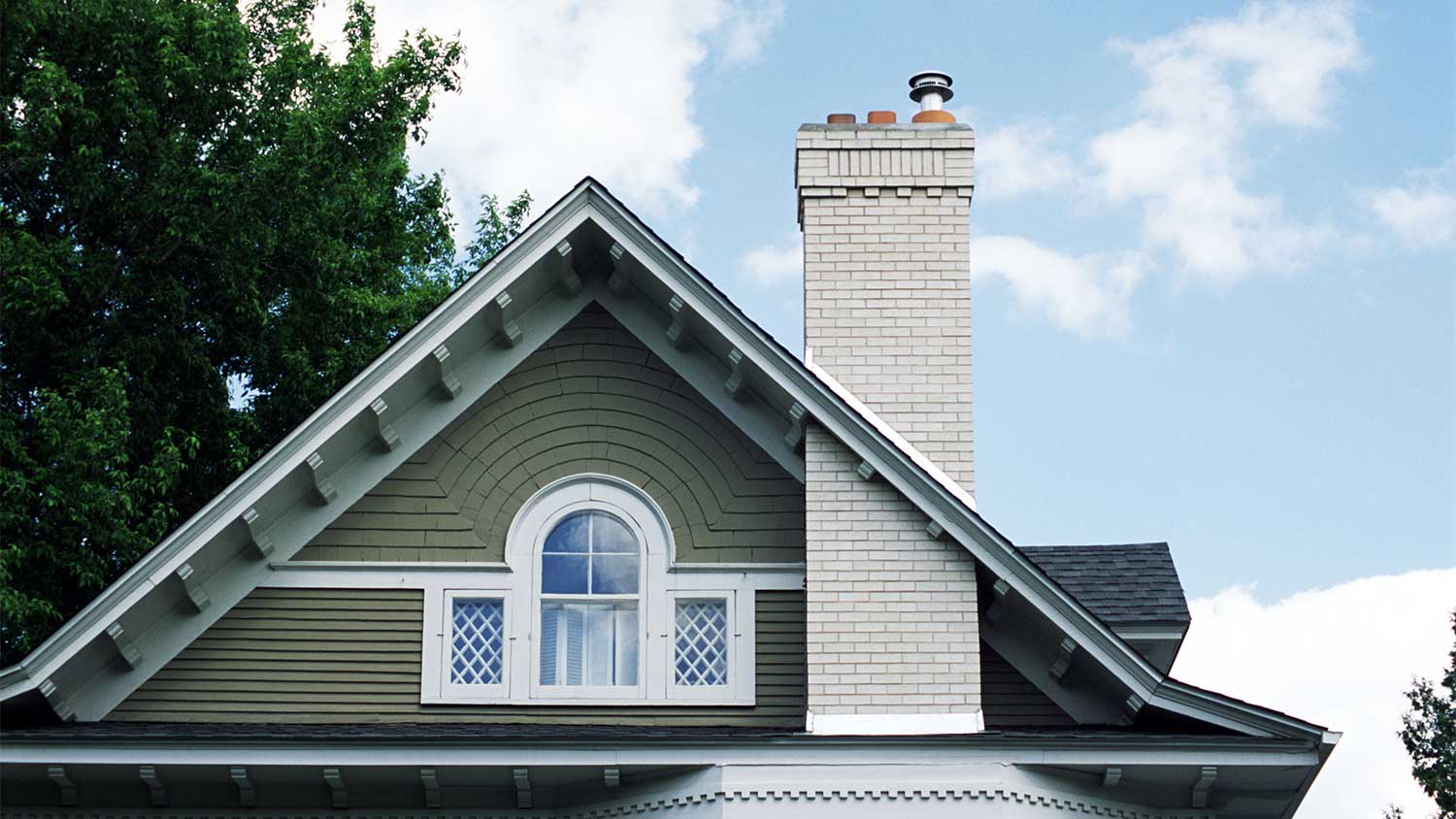
Seal entry points, such as where your chimney meets your house, or other gaps or holes exist.
Use bat deterrents like bright lights or ultrasonic devices to force them away from your home.
Reduce bat attractions like standing water and bird nectar feeders inviting bats into your yard.
It can be difficult to know what type of animal is in your attic until you see it. But several clues can help you narrow down the suspects:
Sounds: Smaller animals like rats and mice make scurrying and tapping/gnawing sounds. Larger animals like raccoons and opossums make louder clambering noises. Also, note when animals are noisy: Squirrels are active during the day, while rats are busiest at night.
Droppings: Rats and mice leave small, rice-shaped droppings (the rat’s version is significantly larger). Bigger droppings belong to larger critters like raccoons. As long as you’re not squeamish, an image search can help you identify what you’re seeing in your attic.
When in doubt, take photos of damage or other evidence and show them to an experienced pest control pro.
Cockroaches, ants, flies, bed bugs, and termites are common in business environments.
The Platteville, CO homeowners’ guide to bird control services
From average costs to expert advice, get all the answers you need to get your job done.
Find out the average bat removal cost in Denver, CO. Learn what you can expect to pay for local wildlife control services and keep your home safe from bats.
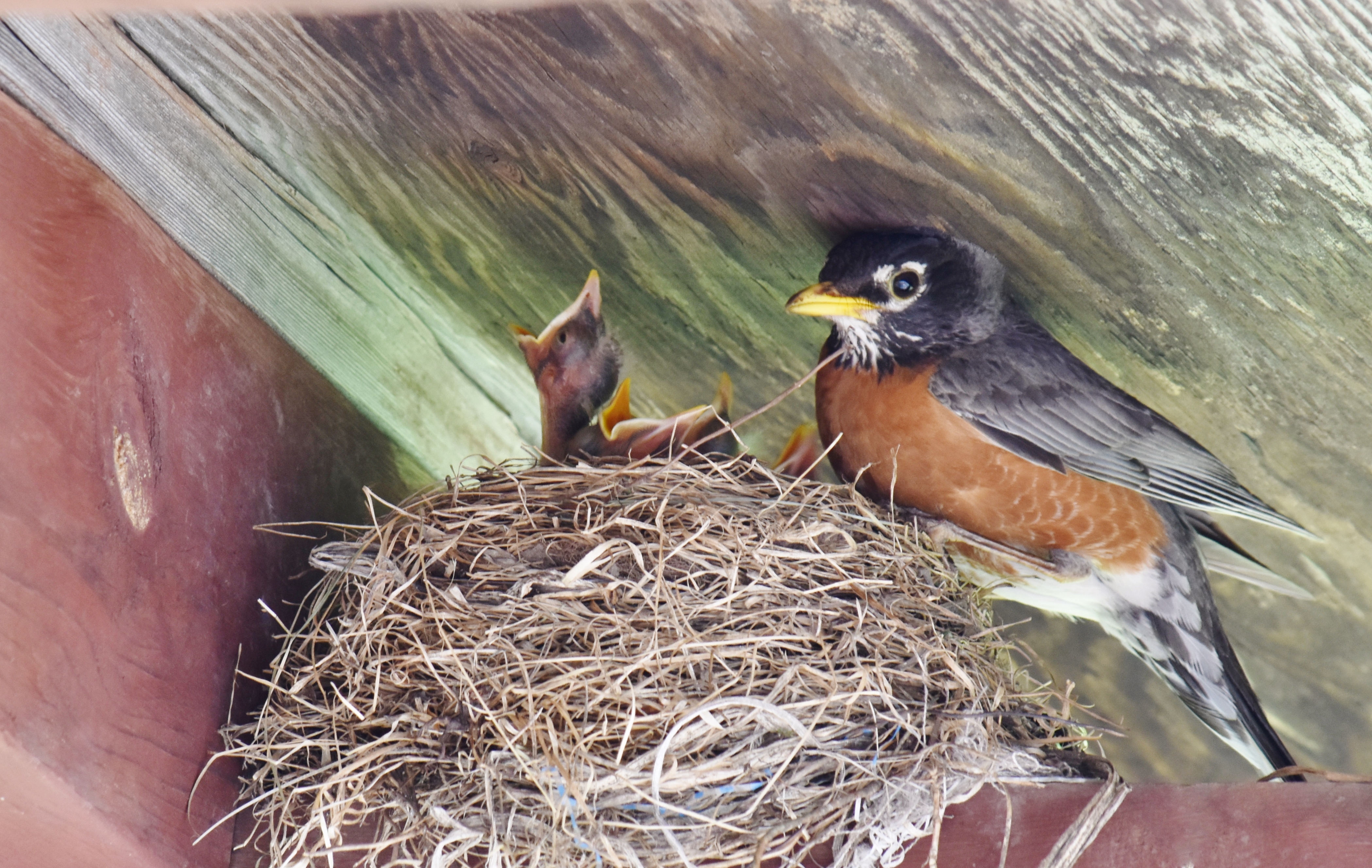
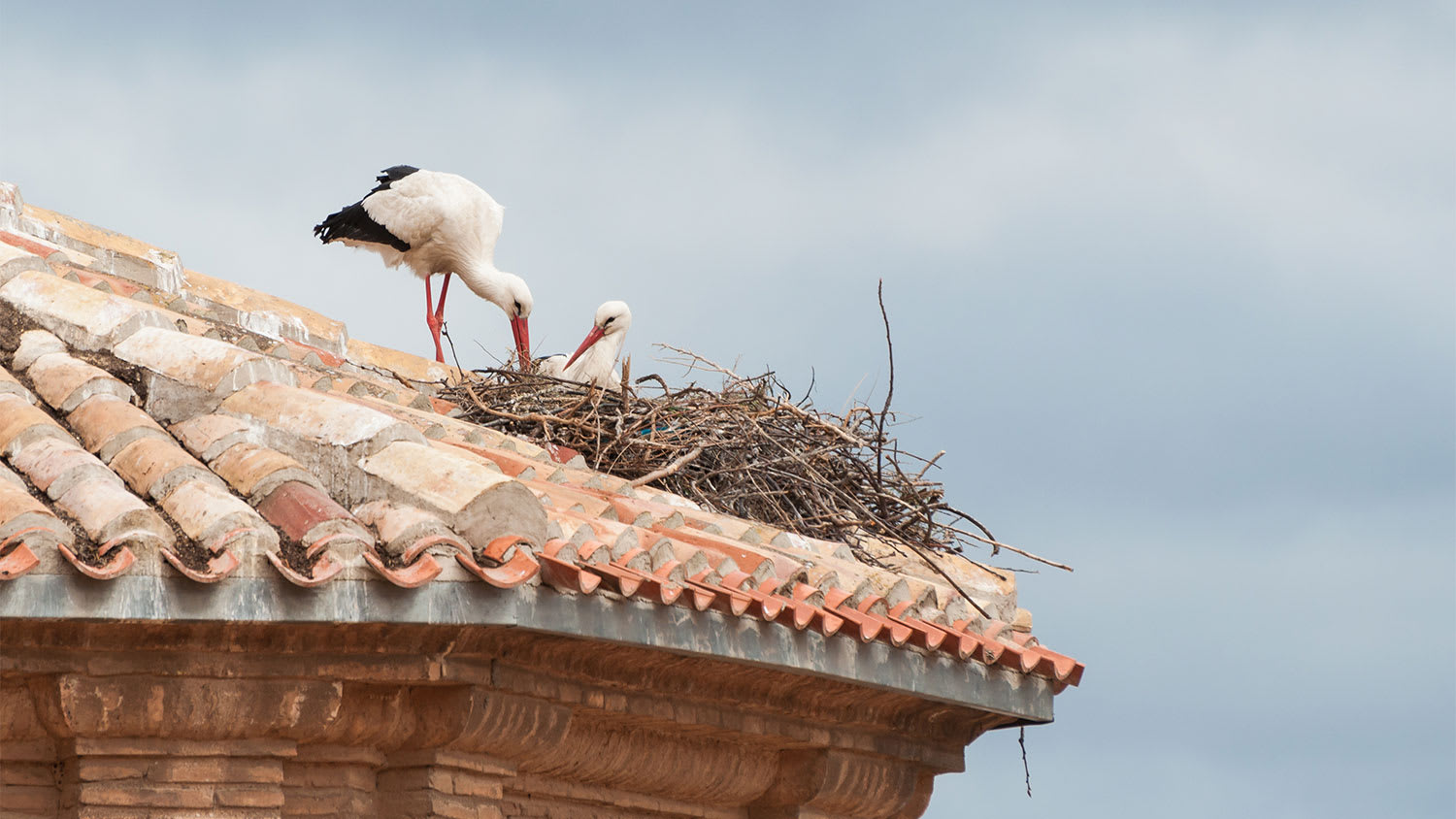
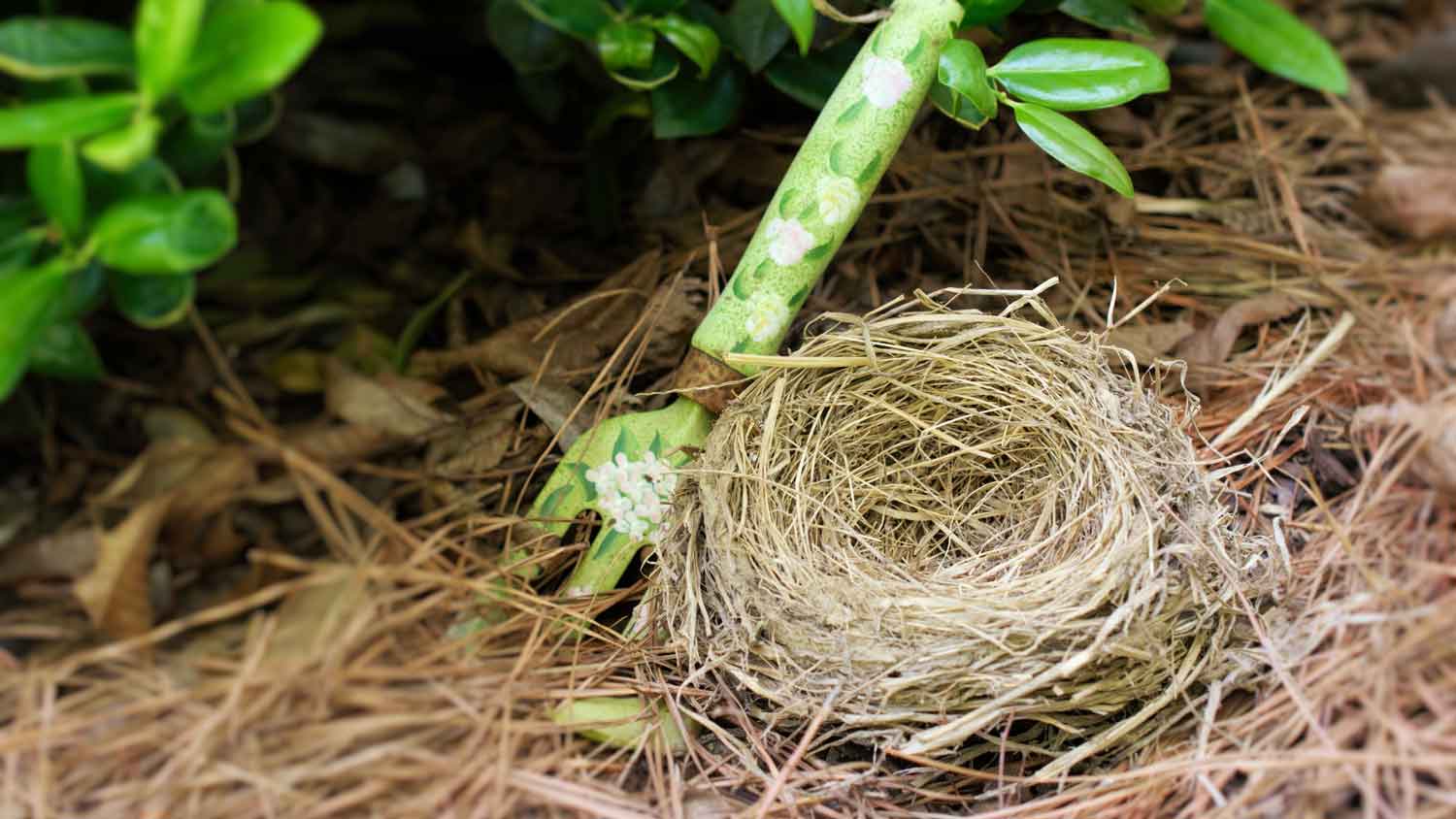
Sometimes birds nest in unwelcome places. Find out how much bird nest removal will cost based on factors like location, bird species, and preventative measures.