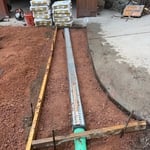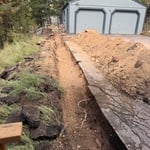
Top-rated excavation pros.

Best excavation pros near Kittredge, CO

Enter your zip and get matched with up to 5 pros

Need a pro for your excavation project in Kittredge, CO?

Select your specific project to find the pro for you.

TRUSTED BY KITTREDGE, CO HOMEOWNERS

  • Average homeowner rating star icon4.5
    Average homeowner rating
  • Verified reviews icon71
    Verified excavation services reviews

Top-Rated Excavation pros in Kittredge - Updated Nov 2026

Avatar for Wild Basin Landscape & Designs
Wild Basin Landscape & Designs
5.0(
19
)
Landscape - Minor Grading or Resloping

Serving Kittredge, CO and surrounding areas

Approved

In business since 2025

Free estimates

Warranties offered

"Our experience with Larry of Wild Basin Ourdoors Landscaping and Designs was EXCELLENT. Larry is very knowledgable, skilled, hard working, reliable, and thorough. In addition, he is very patient when it comes to answering questions. We are also very grateful for the fact that he completed the job for us without going one bit over the pre-work estimate. We won't hesitate to use his services again for our next landscaping project."
Before removal
Black Mulch
Side Space
Side space 2
Front Bed

+27

7 neighbors recently requested a quote
Avatar for High Range Tree Service
High Range Tree Service
4.6(
10
)
Building Site - Preparation and ClearingBuilding Site - Preparation and Clearing - For Business

Serving Kittredge, CO and surrounding areas

Approved

In business since 2020

Free estimates

Emergency services offered

"These guys are responsive and professional. They delivered above and beyond what I expected. They didn’t just take care of the job I called them about. They also surveyed my property and let me know that I had a tree in the alley that had grown up through wires (no wonder our tv is so sketchy. I am delighted with their attention to detail and super happy with the value received. Will absolutely call them again the next time I need tree trimming or storm clean-up."
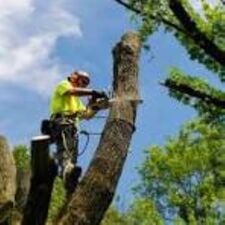
Tree Trimming
3 neighbors recently requested a quote

Recommended by33%of homeowners
TJ excavating
New to Angi
Building Site - Preparation and ClearingBuilding Site - Preparation and Clearing - For BusinessExcavation - Major Grading or Resloping+1 more


Serving Kittredge, CO and surrounding areas

Approved

A local and family owned business, with over 10 years under out belt. We strive to offer our best work the first time, with clean and professional work, every time! We have done mainly residential excavation, with backfill and final grading. Have done retaining walls, leveled driveways, and all dirt or land needs!

...
Showing 1-10 of 188
Excavating FAQs, answered by experts

A mini excavator can dig between 5 and 11 feet deep, depending on the type and size of the mini excavator. Mini hydraulic excavators are more powerful and can reach deeper into the earth, but electric models have a more limited range. Mini excavators over two tons in size are also more powerful and able to dig as deep as 11 feet.

Trenches are typically 12 to 24 inches deep and 8 inches wide. However, the required depth depends on the specific project and local ordinances. For example, a French drain may need to be 18 inches deep, while a water pipe might require a depth of 24 inches and a drainage pipe 36 inches. Your city or county may have specific regulations, so it's wise to consult with an excavation professional to determine the correct depth for your project.

Hard soil could be a sign of overly dry dirt, either from poor drainage or drought. It's important to test the nutrient levels, density, and drainage capacity of your soil to see if it's absorbing water properly. Begin by adding a light layer of water and observing how long the soil retains moisture. If you experience a good deal of runoff, you may need to aerate your lawn, apply a wetting agent, or hire a professional for a closer look.

Concrete blocks are the cheapest way to base a shed. However, the space in between allows critters to go under, burrow, and even damage your shed’s frame. For a more pest-proof option, consider building a shed base with gravel or paver stones. Both options are fairly affordable and easy enough for a DIY project. For gravel, you can build a wooden frame to contain the loose material.

Most residential basements are 8 to 10 feet deep. You can dig deeper depending on building codes, but it does become more difficult. You’ll likely need to install stronger foundation walls and additional supports to handle the increased load. Depending on the water table, you may also need a water management system. Clay soil can support a deeper foundation than sandy soil. A structural engineer will be able to tell you the maximum, feasible depth.

The Kittredge, CO homeowners’ guide to excavation services

From average costs to expert advice, get all the answers you need to get your job done.