








Top-rated aquarium service pros.

Get matched with top aquarium service pros in Keystone, CO

Enter your zip and get matched with up to 5 pros

Need a pro for your aquarium service project in Keystone, CO?

Select your specific project to find the pro for you.

TRUSTED BY KEYSTONE, CO HOMEOWNERS

  • Average homeowner rating star icon4.4
    Average homeowner rating
  • Verified reviews icon92
    Verified aquarium services reviews

Find Aquarium service pros in Keystone

Avatar for Krenger Construction
Krenger Construction
5.0(
6
)
Water Feature - Install a Pond

Serving Keystone, CO and surrounding areas

Approved

In business since 2022

Free estimates

Emergency services offered

"I cannot recommend Ricky with Krenger Construction high enough for the outlandscaping work done. From start to finish, his professionalism, expertise, an attention to details exceeded all of our expectations. The water feature has become the centerpiece of our backyard. His knowledge of proper drainage, pump systems and stone placement is extensive. The deck work is phenomenal. We now have a beautiful deck that everyone enjoys. The compliments on our deck and yard are overwhelming! Ricky had excellent communication with us throughout the entire project. If you're looking for a landscaping company that has technical expertise and creative flair this is the one!"

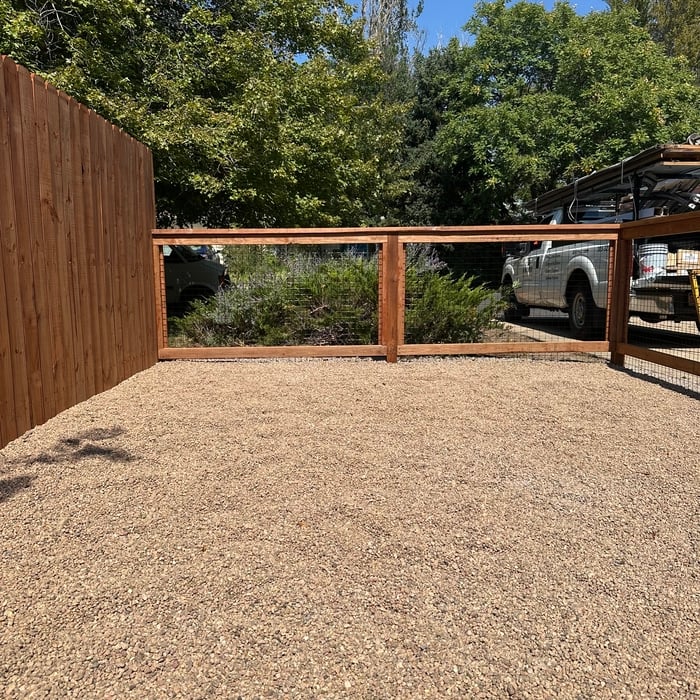
Fountains Project
Fountains Project
Fountains Project
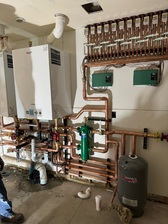
Additional Photos
Additional Photos

+51

Response time6 days
2 neighbors recently requested a quote
Recommended by100%of homeowners

Aquarium Services questions, answered by experts

A septic system's lifespan typically ranges from 15 to 40 years, with a common average of 20 to 30 years. The longevity heavily depends on the tank's material, maintenance diligence, and usage habits. With proper care, lifespans can reach the upper end of this range.

Lifespan by Tank Material:

  • Concrete: 20 to 40 years

  • Plastic or Fiberglass: 30 to 40 years

  • Steel: 15 to 20 years

To maximize your system's lifespan, follow these maintenance best practices:

  • Regular Pumping and Inspections: Have the tank pumped every three to five years and schedule professional inspections regularly.

  • Mindful Usage: Only flush human waste and toilet paper. Avoid putting items like cat litter, paper towels, cigarette butts, fats, grease, oils, or coffee grounds down your drains.

  • Avoid Chemicals: Do not pour harsh chemicals into the system.

  • Water Conservation: Reduce the amount of wastewater your system has to process.

  • Protect the Drain Field: Avoid driving or building heavy structures over the drain field area.

There are a few signs that indicate a failing drain field. For instance, if your septic tank starts requiring more pumping than normal, your drain field might be failing. Other signs to watch for include poor drainage after rain, standing water or sewage over the septic system, a strong septic smell outside, new and healthy grass growing over the drain field, and plumbing backups in your sinks, bathtubs, or toilets.

Your septic tank naturally contains the good bacteria it needs, so you typically don't have to add more as the system produces them on its own. However, if you wish to replenish the bacteria, you can use natural methods. For example, you can add three rotten tomatoes to your garbage disposal or flush 1/4 ounce of active yeast down the toilet every three months. While store-bought septic enzymes and chemicals are available, many additives are unnecessary and may even harm your system. The most effective way to maintain a healthy bacterial balance is to avoid using chemical drain cleaners, which can kill the beneficial bacteria in your tank.

Septic tanks naturally have bacteria that break down some of the solid waste in the septic tank. However, sludge buildup is just part of owning a septic system. While liquid wastewater can be filtered and treated through the system, a septic tank company has to pump the septic tank out at least every few years.

No. You should never empty a septic tank yourself because it involves working with specialized equipment (that you probably don’t have) and puts you at risk of breathing in toxic fumes. Plus, once you’ve removed the waste, you’ll need to transport it and dispose of it safely. Instead, call an expert for this job. On average, hiring a pro to pump a septic tank costs $550.

The Keystone, CO homeowners’ guide to aquarium services

From average costs to expert advice, get all the answers you need to get your job done.