





Top-rated generator install pros.

Get matched with top generator install pros in Hudson, CO

Enter your zip and get matched with up to 5 pros

Need a pro for your generator install project in Hudson, CO?

Select your specific project to find the pro for you.

Find Generator install pros in Hudson

Avatar for Absolute Electrical, Heating & Cooling, LLC
Absolute Electrical, Heating & Cooling, LLC
4.3(
328
)
Fixed Generator - Install

Serving Hudson, CO and surrounding areas

Approved

In business since 2013

Free estimates

Emergency services offered

"In 2 days I had absolute out for a/c problem and to install a new attic fan system. Hector, Jovanny were the 2 main contacts for the projects. Very professional, explained what they were doing and answered any questions I had. Will definitely use absolute again."
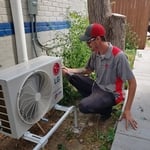
Mini Split
Heated driveway
Furnace Inspection
Laying conduit for exterior electrical work
Electrical Panel Replacement

+34

Response time1 day
Recommended by91%of homeowners
Avatar for Electrical Innovations LLC
Electrical Innovations LLC
New to Angi
Portable Generator - Repair

Serving Hudson, CO and surrounding areas

Approved

Free estimates

Emergency services offered

Warranties offered

Electrical innovations provides electrical safety for families homes, and peoples businesses. We are a fully licensed and insured company who’s been in business since 2010. We are a family owned and operated business who strives for making families happy and satisfied returning customers.

...
Showing 1-10 of 69
Generator Install questions, answered by experts

To determine the right size generator for your house, you should calculate the total wattage of the appliances and devices you want to power during an outage. List all essential items, note their start-up wattages, and add them together.

Here are some typical wattage requirements for common appliances:

  • Refrigerator: 600 watts

  • Large dehumidifier: 700 watts

  • Large window air conditioner: 1,400 watts

  • Water heater: 3,000 to 4,500 watts

  • Electric furnace: 5,000 to 25,000 watts

A 7,500-watt generator might be sufficient for essentials like a refrigerator, freezer, well pump, and lighting circuits. However, for high-demand items like a water heater or furnace, a whole-home generator is a better choice. A portable generator may be enough if you only need to power a few critical items.

While home square footage can offer a rough estimate, it is not always a reliable indicator. For reference, here are some typical generator sizes based on square footage:

  • 1,000 sq ft: 6–9 kW

  • 1,500 sq ft: 7–10 kW

  • 2,000 sq ft: 10–14 kW

  • 2,500 sq ft: 12–16 kW

  • 3,000 sq ft: 16–20 kW+

For the most accurate sizing, consult a professional who can calculate your home's peak and average power consumption and recommend the optimal generator.

It might seem counterintuitive, but installing a generator transfer switch will save you money in the long run. While you’ll have to pay between $400 and $2,500 to have the transfer switch installed, you’ll recoup that amount later on when you don’t have to pay for expensive repairs to your appliances, devices, and electrical system that may have burned out, overloaded, or stopped working due to a sudden loss of power or an incorrect hook up of a generator to your home

If you have a transfer switch properly installed, the generator and main electrical power cannot feed the system at the same time. However, you should still shut off the power at your main circuit breaker panel before activating the generator. If you do that, you’ll simply need to shut off the generator and reset your circuit breaker once the local power comes back on.

Yes, in some locations, it is required by the National Electric Code (NEC) to have a transfer switch installed for electrical emergencies. In addition to following electrical code, generator transfer switches ensure your home is fully protected during a power outage. By switching the power from the main breaker to the generator breaker, you can seamlessly operate your HVAC, lights, appliances, devices, and more during an emergency. 

It is safe to run a generator continuously, but you must follow safety protocols to ensure personal and home safety. Read the manufacturer’s instructions for specific recommendations, but the general recommendation is to turn generators off overnight or when you’re away from the house. Overworked generators can pose a fire hazard and if your generator is not in a well-ventilated area, running it continuously could lead to carbon monoxide poisoning.

The Hudson, CO homeowners’ guide to generator installs

From average costs to expert advice, get all the answers you need to get your job done.