






Top-rated bird control service pros.

Get matched with top bird control service pros in Gypsum, CO

Enter your zip and get matched with up to 5 pros

Need a pro for your bird control service project in Gypsum, CO?

Select your specific project to find the pro for you.

Find Bird control service pros in Gypsum

Avatar for Handymany Services
Handymany Services
New to Angi
Pest Control - Birds and Bats

Serving Gypsum, CO and surrounding areas

Approved

In business since 2005

Free estimates

Small jobs welcome

We have been servicing home and business owners in and around the Eagle area for over fifteen years with all of their handyman and home improvement needs. We specialize in flooring, snow removal, drywall, and various other jobs. Please give us a call today with any and all of your home improvement needs!

Pool clean up
Clean up yard fall and spring
Yard clean up
Landscape clean up
Repair  handles latched of doors

+24

Response time1 day
3 neighbors recently requested a quote
Bird Control questions, answered by experts

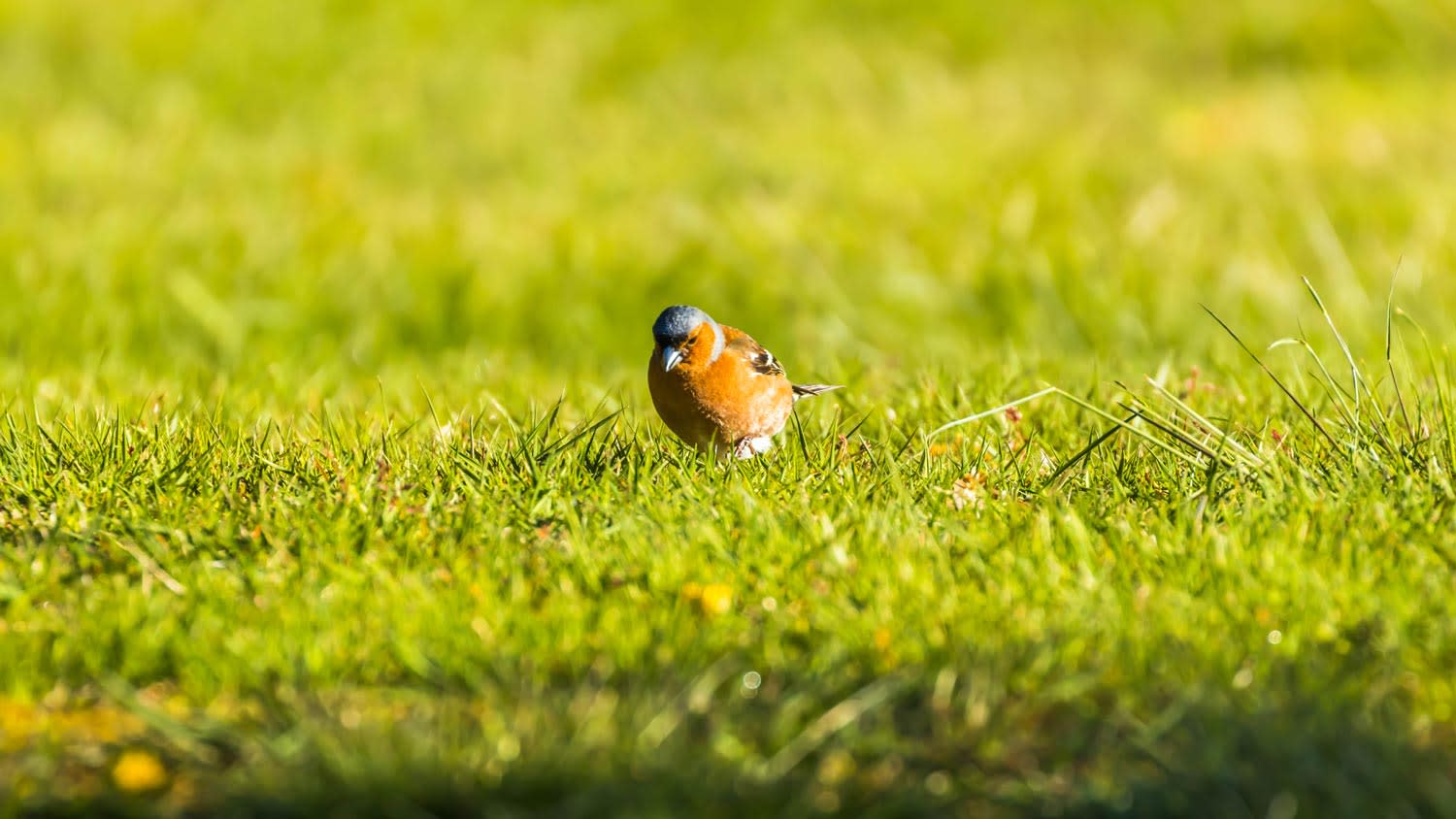
Birds eat grass seed for one simple reason—it’s delicious! The seeds are rich in nutrients such as carbohydrates, proteins, and fats. Seeds are also high in energy, so humans eat trail mix loaded with seeds and nuts for long-distance activities. Grass seed, when unprotected, is also exceptionally easy to access.

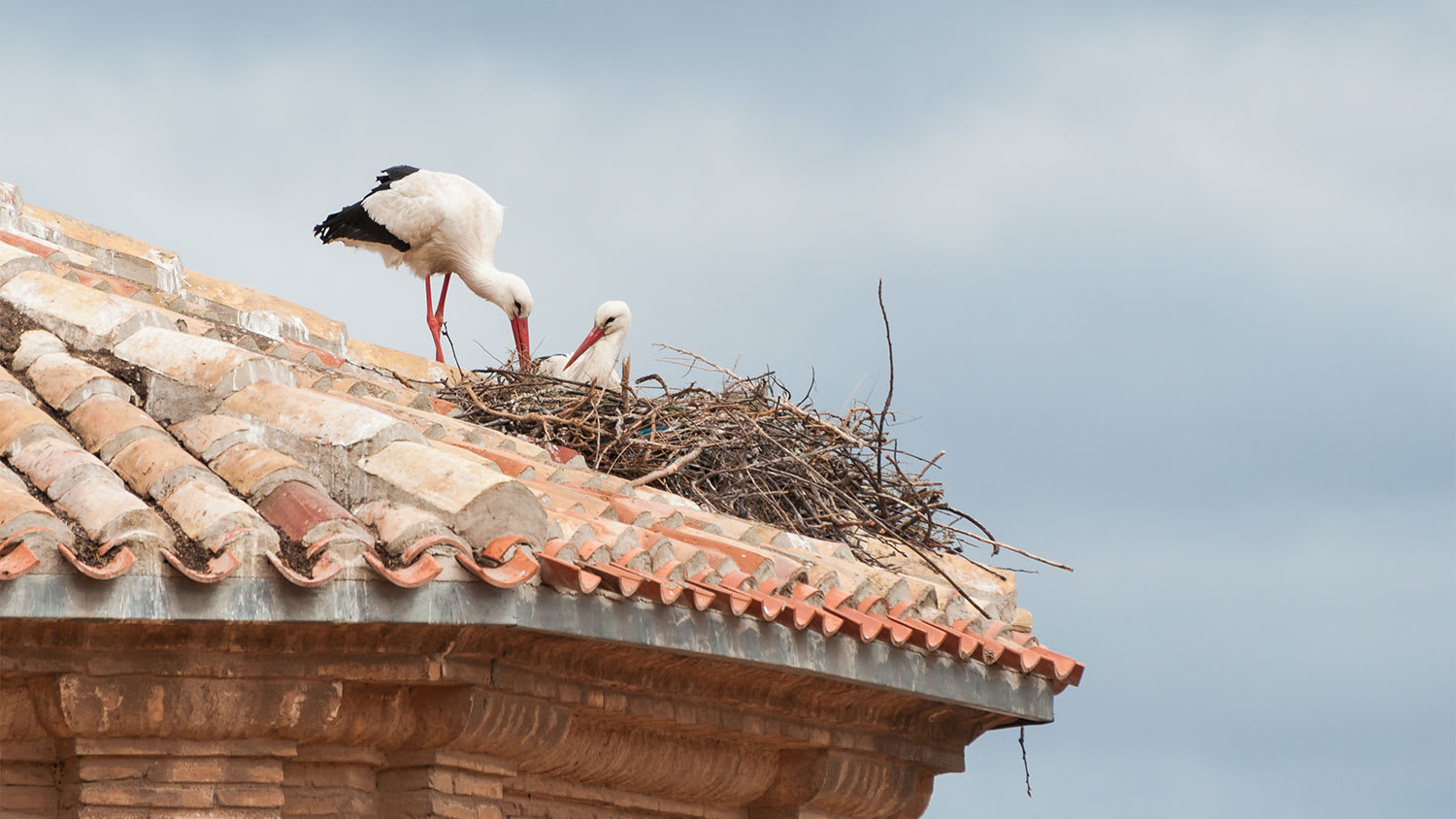
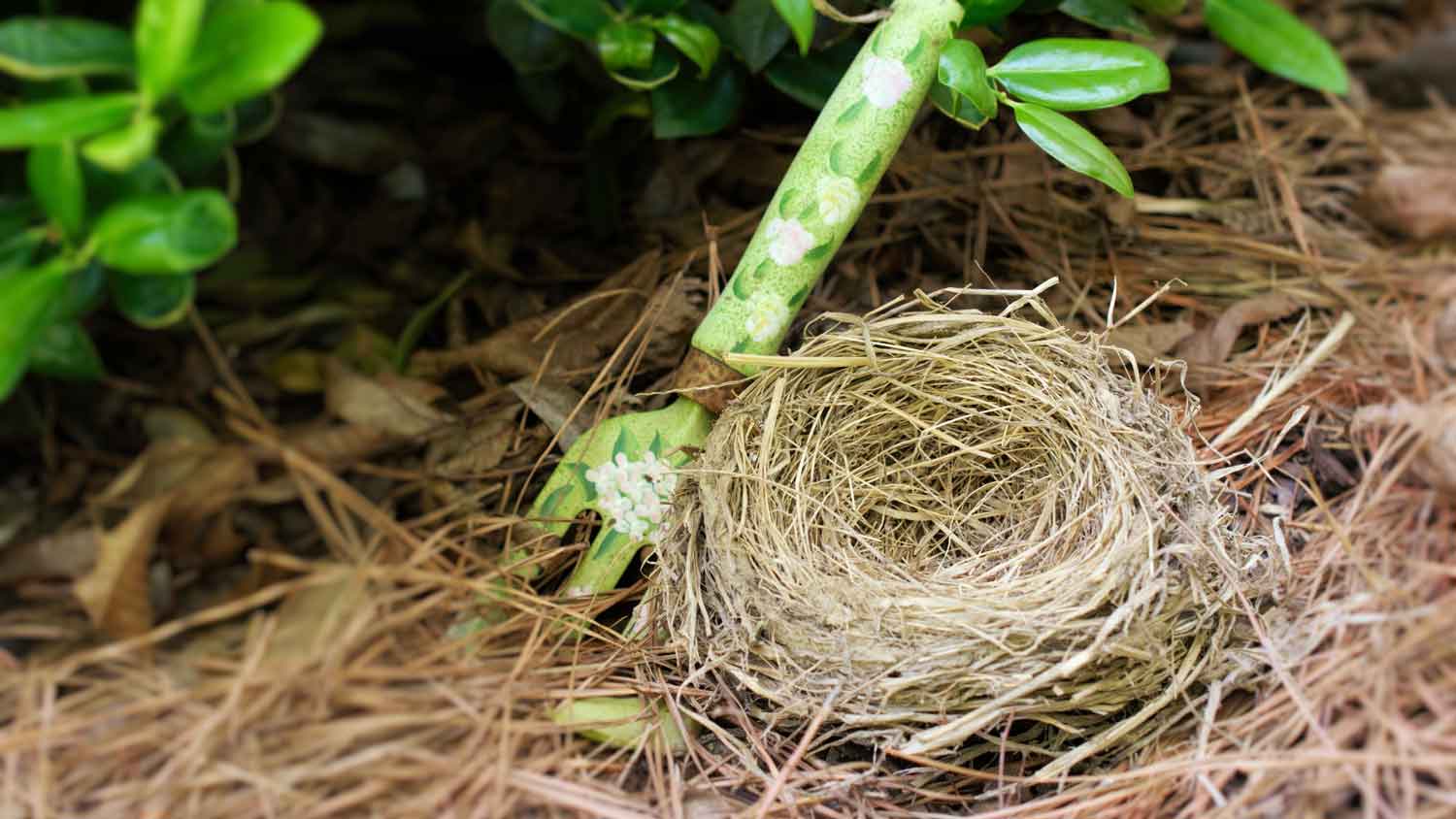
The lifespan of a bird's nest depends on the species. The building process can take from two days to three weeks. Once built, the nesting period for baby birds can last from two to ten weeks before they leave the nest. While most young birds are ready in two to six weeks, some predatory species may need up to two and a half months. Some species nest four to five times per year, so a nest could remain in use for several months. For specific information about a particular nest's longevity, it is best to consult a wildlife professional.

Identifying the specific animal running on your roof at night can be challenging without direct observation. Common nocturnal roof visitors include raccoons, squirrels, opossums, and rats. Raccoons are bigger and can create heavy thumping sounds. Squirrels are agile and may produce rapid scurrying noises. Opossums tend to move stealthily with less noise. Rats can make scratching or gnawing sounds. To determine the culprit, look for signs like footprints, droppings, or damaged areas near the roof. For accurate identification, consult a pest control professional or set up wildlife cameras near potential entry points.

Studies indicate that owls don't possess a conventional sense of fear. However, they find intense, sudden human noise unsettling, like clapping or shouting. Additionally, owls are likely spooked by sudden bursts of bright light. While they may not experience fear as humans do, these disturbances can disrupt their natural behaviors, making it essential to minimize such disruptions when sharing spaces with these remarkable creatures.

Trees that provide a habitat to bats and an abundance of bugs—their main food source—will attract bats to your yard. Because the North American landscape has changed so much in recent years, bats have a harder time finding trees with cavities to shelter in. If your yard has a dead or dying tree with a lot of sun exposure, bats will likely be drawn to it because trees with those features are less common.

The Gypsum, CO homeowners’ guide to bird control services

From average costs to expert advice, get all the answers you need to get your job done.