



Top-rated snow removal pros.

Get matched with top snow removal pros in Dillon, CO

Enter your zip and get matched with up to 5 pros

Need a pro for your snow removal project in Dillon, CO?

Select your specific project to find the pro for you.

TRUSTED BY DILLON, CO HOMEOWNERS

  • Average homeowner rating star icon4.4
    Average homeowner rating
  • Verified reviews icon48
    Verified snow removal services reviews

Find Snow removal pros in Dillon

Avatar for A&M Roofing
A&M Roofing
4.3(
6
)
Snow Removal

Serving Dillon, CO and surrounding areas

Approved

In business since 2020

Free estimates

Credit card accepted

At A&M Roofing. we pride our company on reliability, communication, integrity, and quality work. We are experts in our trade and will do our best to keep you as educated as we can on your particular project. We look forward to earning your business!

Response time1 day
14 neighbors recently requested a quote
Showing 1-10 of 44
Snow Removal questions, answered by experts

Roof raking helps clear snowfall from your roof and, in turn, you hope that this prevents ice dams. But can roof raking actually cause them? Generally, no, it cannot. But you should note that while, in some cases, you might successfully prevent ice dams from forming near the edge of your roof by keeping it cleared with a roof rake, they could still form higher up on the roof, where you are unable to reach. This may leave you wondering: Does roof raking prevent ice dams? While it is not a 100% guaranteed way to prevent them, it does help.

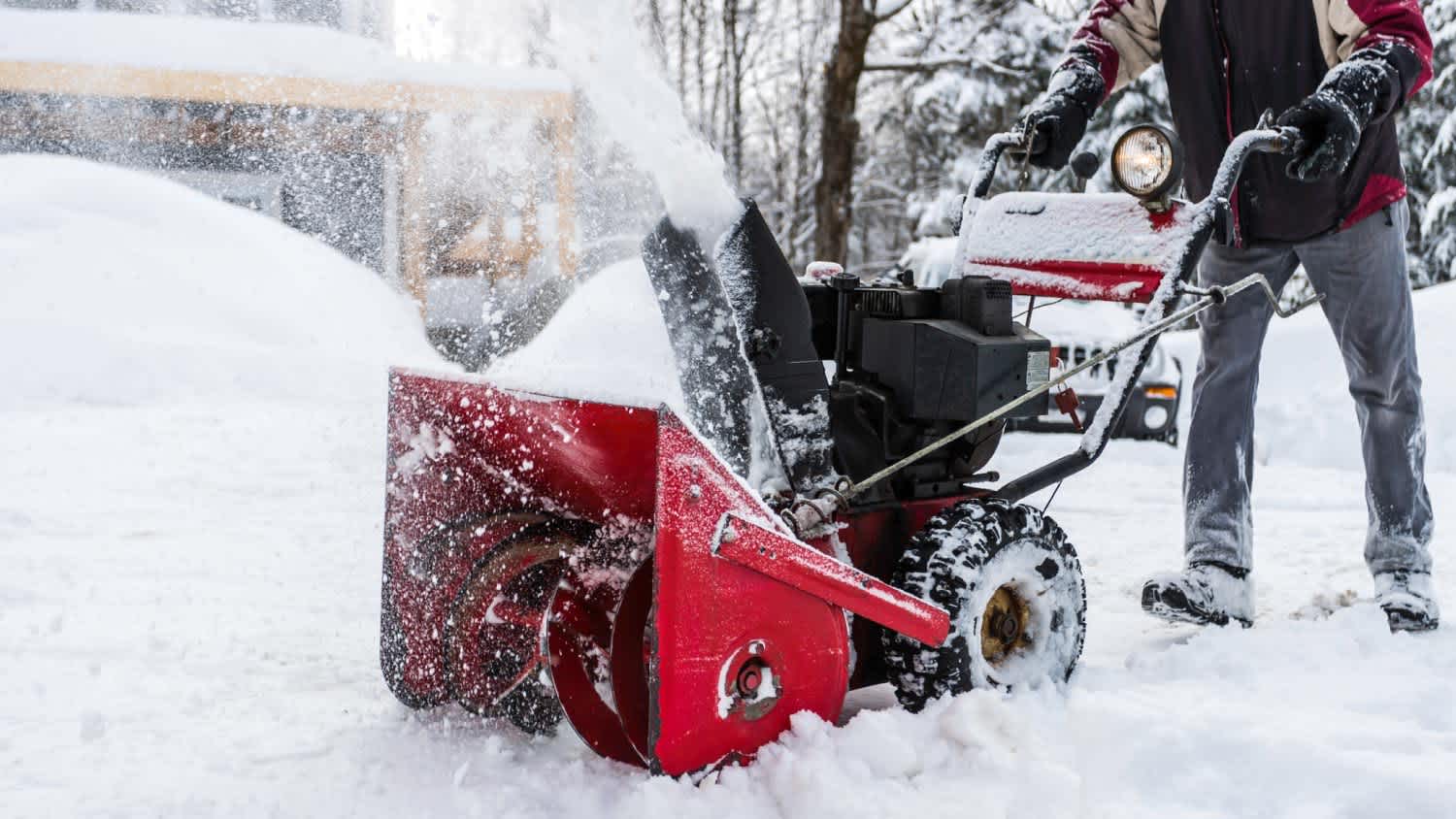
The cost to purchase a snow blower ranges from $100 to $2,300 on average, depending on the make, model, type, and age of the machine. More advanced two-stage and three-stage models, which are often self-propelled and include features like power steering and heated hand grips, can cost between $950 and $1,500 or more. If you only need a snow blower temporarily, you can rent one for an average of $75 per day from a local hardware store or rental facility.

Snowblowers come in three different sizes: first-, second-, and third-stage blowers. Each additional stage is larger with higher intakes, more powerful, and has more gear options.

A first-stage blower, also called a snow thrower, is usually best for snow 6 to 8 inches or below. Electric snow blowers are usually only available in this size. If you regularly get snow that’s well above six inches, consider a second-stage snow blower. If snowstorms dump 2 to 3 feet of snow repeatedly during winter, you need a third-stage snow blower to tackle it.

Yes, but it works best with lightweight snowblowers, the single-stage models or electric versions. Also, you need to have a rubberized intake edge on the ground and preferably rubberized auger paddles, not a metal version. Otherwise you may chip or damage the surface as you work. When it doubt, let the snow lie.

You can also use a snow blower on leveled gravel, but only if you carefully adjust the intake height so it doesn’t kick up the gravel and turn it into flying missiles.

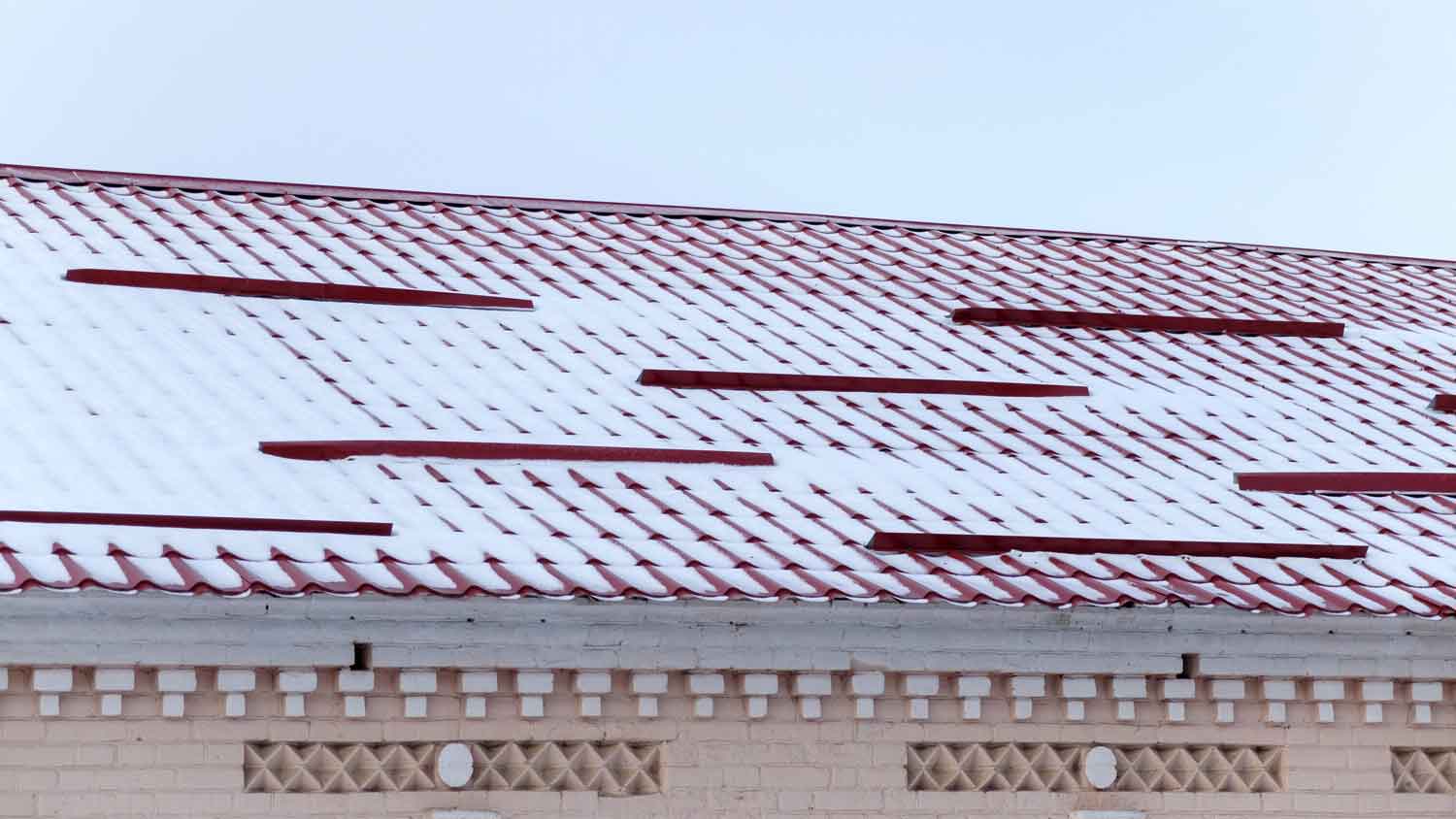
The easiest way to remove snow from a roof involves using a roof rake that allows you to clear snow from the ground. Roof rakes are lightweight and feature adjustable handles, making them user-friendly for most people. This method also helps prevent ice dams and excess snow buildup, reducing the risk of roof damage during winter months.

When should you remove snow from your roof? A good rule of thumb is once six inches of snow accumulates. 

The Dillon, CO homeowners’ guide to snow removal services

From average costs to expert advice, get all the answers you need to get your job done.