





Monique Vidal - Bloom Energy
Home Energy Audit
Serving Dillon, CO and surrounding areas
In business since 2018
Free estimates
Emergency services offered
"She is extremely professional and great to work with."



Recommended by100%of homeowners
*The Angi rating for Energy Efficiency Auditing companies in Dillon, CO is a rating based on verified reviews from our community of homeowners who have used these pros to meet their Energy Efficiency Auditing needs.
*The HomeAdvisor rating for Energy Efficiency Auditing companies in Dillon, CO is a rating based on verified reviews from our community of homeowners who have used these pros to meet their Energy Efficiency Auditing needs.
Last update on May 07, 2025
Serving Dillon, CO and surrounding areas
In business since 2018
Free estimates
Emergency services offered
"She is extremely professional and great to work with."
Serving Dillon, CO and surrounding areas
In business since 2022
Free estimates
Credit card accepted
"Danielle bent over backwards to assist us! I wouldn’t hesitate to contact them for other projects!"
+3

Serving Dillon, CO and surrounding areas
In business since 2014
Free estimates
Credit card accepted
"Michael Petzak did a Home Energy Assessment at our home today. He was prompt, friendly, knowledgeable, and professional. The assessment was very thorough. I look forward to receiving the report of the visit."

Serving Dillon, CO and surrounding areas
In business since 2008
Free estimates
Mountain Energy Consultants provides unsurpassed professionalism and experience. We believe in going above and beyond client expectations and building customers for life.
Serving Dillon, CO and surrounding areas
In business since 2022
Small jobs welcome
Credit card accepted
We pride our company on reliability, great communication, integrity, and quality work. We are experts in our trade and will do our best to keep you as educated as we can on your particular task or project. We look forward to earning your business! Book with us online or feel free to give us a call today!
Serving Dillon, CO and surrounding areas
In business since 2015
Free estimates
Credit card accepted
With years of experience serving the area, we are your solution for all your solar needs. We take great pride in our extreme professionalism, timeliness and superior customer service on every job. We make sure to develop a lasting relationship so that the next time service is needed there will be no question on who to call. Check out our 5 star reviews from happy customers! Call us today so we can discuss your needs and make a plan that fits your budget. Satisfaction guaranteed!
Serving Dillon, CO and surrounding areas
In business since 2018
Free estimates
Credit card accepted
We pride our company on reliability, great communication, integrity, and quality work. We are experts in our trade and will do our best to keep you as educated as we can on your particular task or project. We look forward to earning your business!
From average costs to expert advice, get all the answers you need to get your job done.

Discover the average home energy audit cost, what impacts pricing, and how to save money on your audit. Get transparent, expert-backed cost info for homeowners.

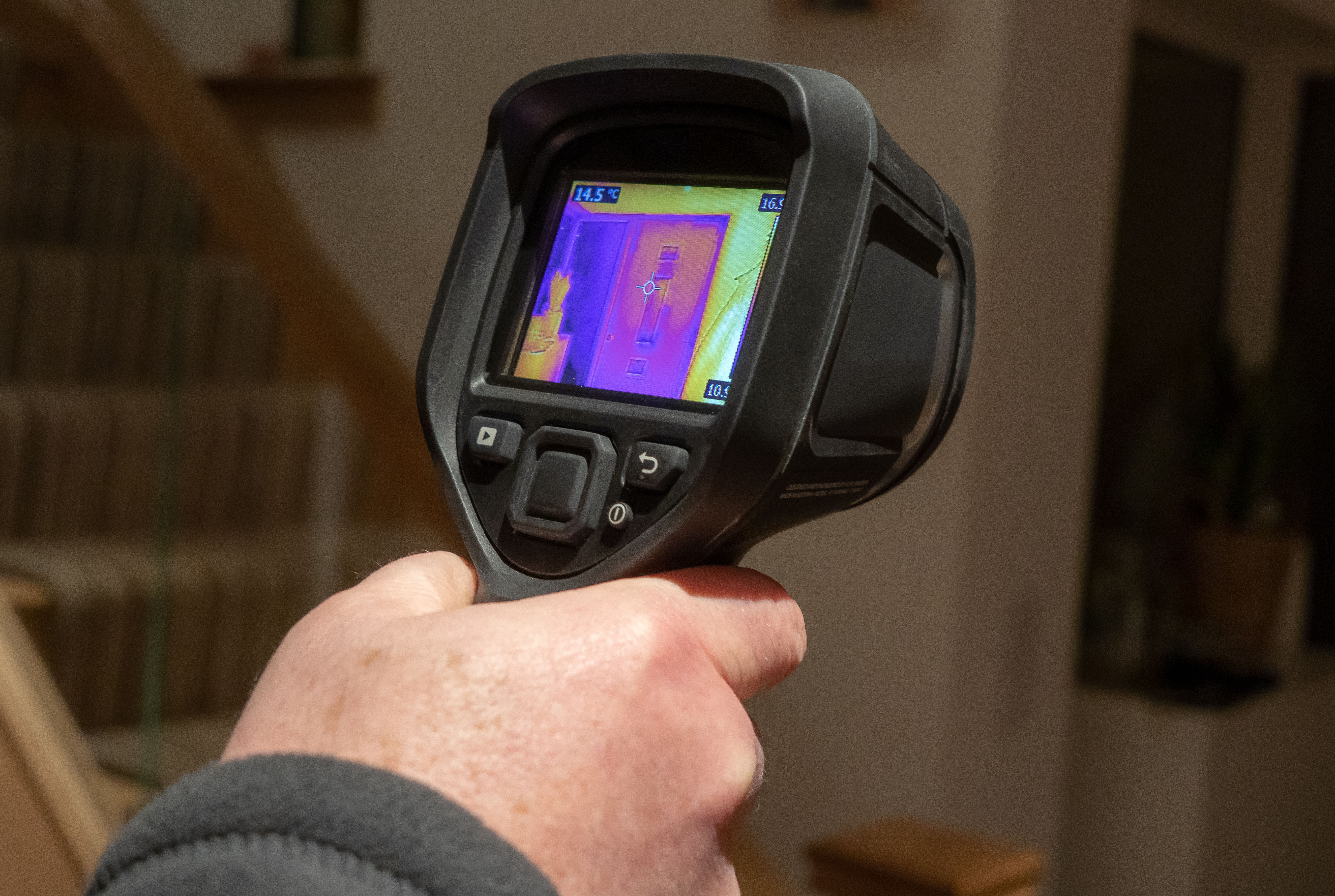
Get a detailed breakdown of thermal imaging home inspection costs, including average prices, cost factors, and tips to help homeowners budget.

Discover the energy-efficient window costs. Learn about installation prices, cost factors, and tips to save money on your window upgrade.

Wondering what an energy audit is and how it can help keep you safe? Keep reading to learn about home energy audits and how they can save you money.

A home energy audit is a detailed write-up of how to lower your utility bills and increase your comfort level. Find out if they’re worth the cost.
Thinking about scheduling a home energy audit? Learn how to improve energy efficiency, lower your utility bills, and hire the right local pro for the job.